الألواح الشمسية: لم يعد التحول نحو الأخضر حكراً على الناشطين البيئيين المتشددين
في هذه الأيام التي تشهد تحديات بيئية، لا يمر يوم دون الكشف عن خطة جديدة تعد بتقليل تأثيرنا على البيئة بشكل جذري.
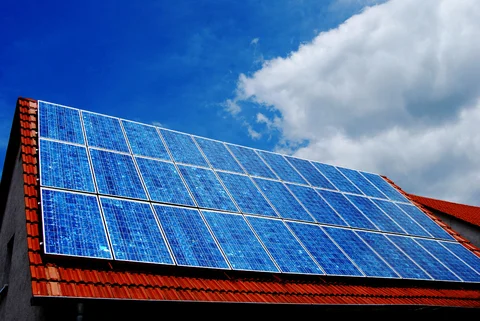
في هذه الأيام التي تشهد تحديات بيئية، لا يمر يوم دون الكشف عن خطة جديدة تعد بتقليل تأثيرنا على البيئة بشكل جذري. تُستخدم مصطلحات مثل “صديق للبيئة” و“أخضر” بشكل متكرر، وحتى أكثر الناس غفلة عن البيئة معتادون على مفهوم البصمة الكربونية والحاجة إلى تقليلها. لم يعد “التحول نحو الأخضر” حكراً على الناشطين البيئيين المتشددين؛ فقد أصبح الأخضر عصرياً، وتوجد الآن العديد من الطرق للمساهمة في الحفاظ على البيئة دون الحاجة إلى المساس بنمط الحياة. يُعد التحول إلى الطاقة الشمسية طريقة بسيطة وفعالة للانضمام إلى مكافحة الاحتباس الحراري مع الاستفادة من تكاليف الطاقة المخفضة بشكل ملحوظ. وقد أدرك الاتحاد الأوروبي ذلك؛ وعلى الرغم من أن المصادر المتجددة تنتج حالياً أقل من 7% من الطاقة في أوروبا بأكملها، إلا أن بروكسل أعلنت عن أهداف جريئة لزيادة بنسبة 20% في الوقود المتجدد بحلول عام 2020.
تختلف الألواح الضوئية عن الألواح الشمسية التقليدية من حيث أنها تحول الطاقة الضوئية إلى كهرباء، بدلاً من الاعتماد على الطاقة الحرارية الشمسية. وفي جنوب فرنسا، الذي يتمتع بما يصل إلى 12 ساعة من أشعة الشمس يومياً في الصيف وما يصل إلى 5 ساعات يومياً في منتصف الشتاء، يمكن استخدام كلا النوعين من الألواح بفعالية كبيرة. ومع ذلك، فإن التحول إلى الطاقة الشمسية ليس خياراً قابلاً للتطبيق فحسب – بل هو خيار مربح أيضاً. تتخذ فرنسا حالياً خطوات جذرية لمعالجة قضية تغير المناخ؛ حيث يريد الرئيس ساركوزي جعل البلاد “قائدة عالمية في الطاقات غير الكربونية، من خلال تطوير الطاقة المتجددة والاستفادة من خبراتها الصناعية”، ولهذا الغرض، أعلن مؤخراً عن خطط لضريبة الكربون الجديدة المثيرة للجدل والتي تهدف إلى معاقبة أولئك الذين لديهم انبعاثات كربونية عالية جداً. على الرغم من أن هذه المقترحات واجهت معارضة واسعة، إلا أن الحكومة الفرنسية_followed them up with an altogether more enticing scheme – it plans to increase the generous incentives which are offered to businesses and individuals in return for switching to solar power. The regulations are currently still in the drafting stages, but are expected to be put into practice by January 2010. The sums of money awarded to new converts to solar power could be as much as 30 cents per kilowatt per hour for private residences, meaning that France would enjoy one of the most generous solar incentive schemes in the world. The proposed incentives will be calculated in relation to geographical location – areas enjoying the highest levels of sun will offer significantly lower tariffs than those with a cloudier climate. Jean-Louis Borloo, French minister for energy and the environment, has grand plans for France’s future, aiming for 23% of French energy to be generated by solar power by 2020, in compliance with EU obligations.
Although some may have previously rejected the idea of installing solar panels on the grounds that they are bulky and unattractive, this is no longer a valid excuse. Technological advances have rendered them slim, sleek and unobtrusive – even stylish – and مطورو العقارات الجديدة have been quick to recognise the potential environmental and economic benefits. It is becoming increasingly common for new developments to list integrated solar panels as one of their major selling points, illustrating the fact that an ecologically sound lifestyle has become a priority for buyers. The energy required to manufacture a solar panel is cancelled out after two or three years of use, and each panel has a life span of a number of decades, so it is an entirely carbon neutral method of generating power. As the name implies, solar panels harness the the immense natural energy of the sun; solar rays are a completely renewable, entirely non-polluting form of raw energy, creating electricity cleanly, simply and silently without the harmful by-products associated with the use of fossil fuels. At first sight, the cost of installing the photovoltaic panels can seem prohibitively expensive – equipment generating the recommended amount of electricity for a family of four would initially seem to set you back around €15000. There are, however, a number of other incentives that could be taken advantage of, and which would drastically reduce the overall installation costs. For example, the installation may be eligible for a local or regional grant, which could bring initial costs down to around €10500. Additionally, the benefits of drastically slashed electricity costs make the idea of switching to solar power both viable and enticing.