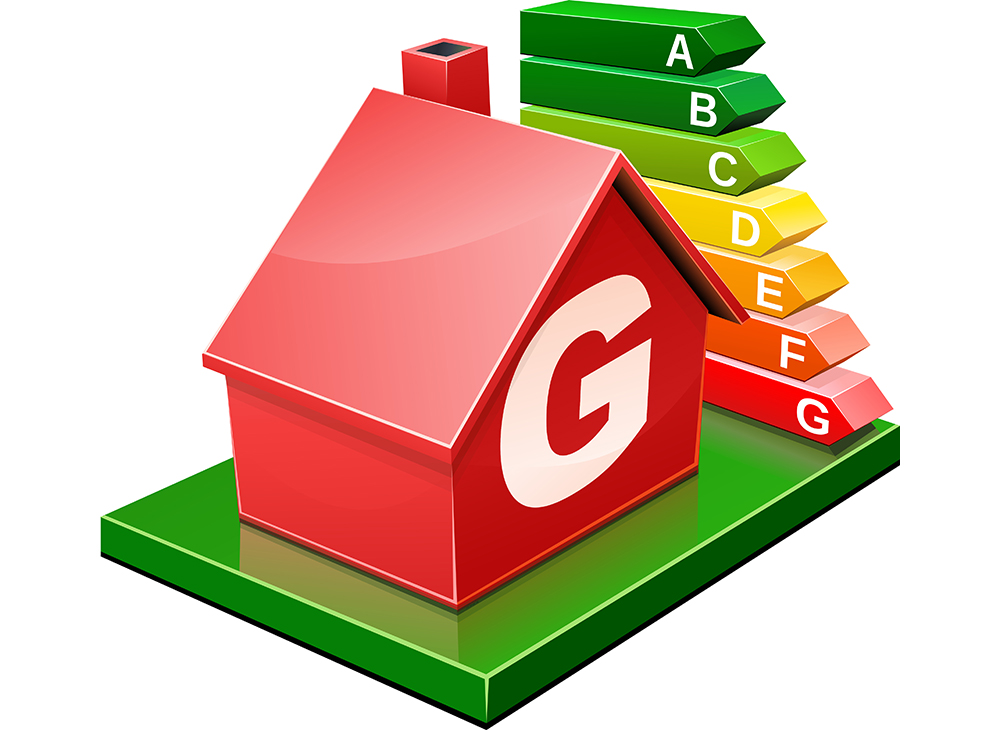
Energy audit: mandatory since 1st April!
If you have a property to sell, you should be aware that for any agreement signed since 1st April 2023, you may be required to have an energy audit carried out. In the same way as the energy performance certificate (EPC), you will be asked to engage a certified professional and provide the notary and buyer with all relevant information.
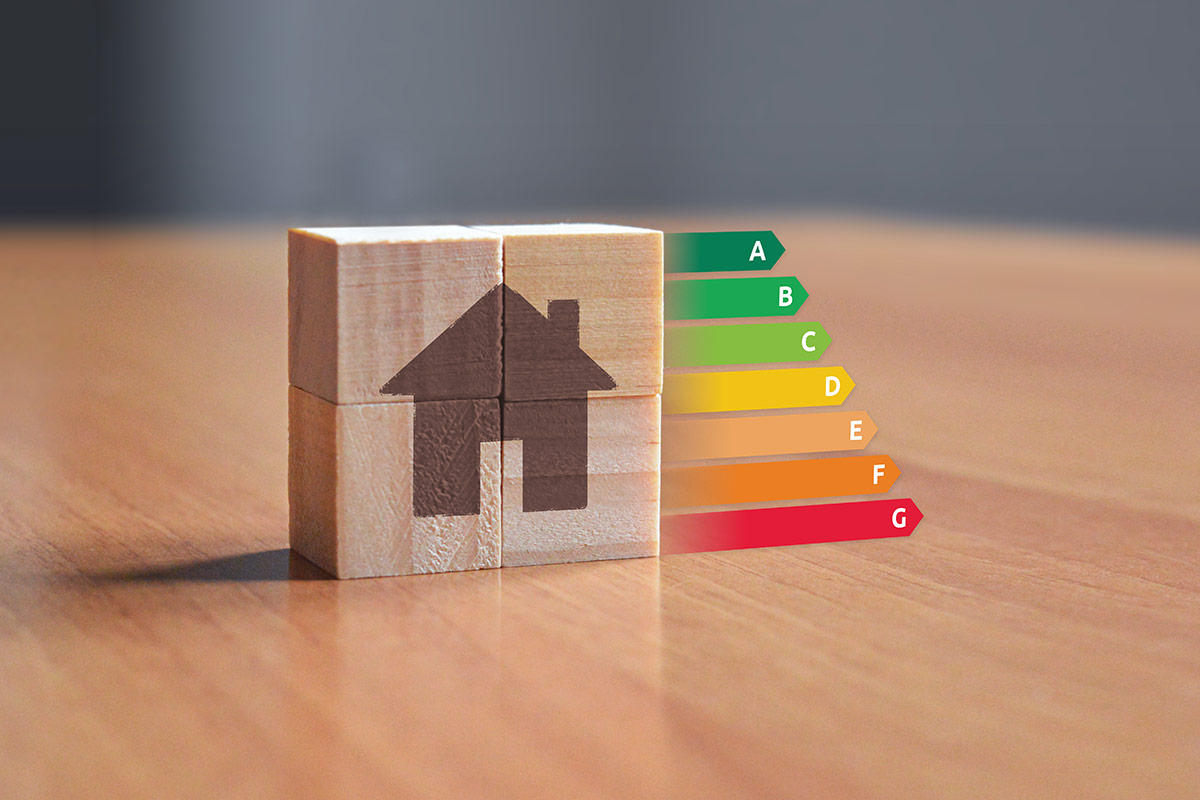
If you have a property to sell, you should be aware that for any agreement signed since 1st April 2023, you may be required to have an energy audit carried out. In the same way as the energy performance certificate (EPC), you will be asked to engage a certified professional and provide the notary and buyer with all relevant information.
The obligation, introduced by the Climate and Resilience Act 2021, aims to facilitate housing renovation and, of course, to better inform a buyer about the property they are interested in. Let us revisit the essential points to know about the energy audit, which will now form part of our everyday property transactions.
Which properties are affected?
First, you will not necessarily be affected – at least not immediately. This year, the measure only applies to dwellings classified as F and G on the EPC and will be extended later:
- The energy audit will become mandatory for properties classified as E from 2025,
- Properties rated D will be affected in their turn in 2034.
Furthermore, only individual properties or those in single ownership are affected, excluding co-ownerships – whether they comprise apartments or houses in a development.
An effective complement to the EPC
The benefit of this energy audit is that it does not leave a buyer defenceless when faced with a poor EPC rating. In addition to much more comprehensive information about the defects causing poor energy performance, it involves providing a renovation plan.
In several phases or in one go, this work scenario should enable properties rated F or G to reach class C, or class B for properties rated E or D before renovation.
The energy audit in practice
It must be carried out before the sale since, in practice, it is intended to be given to any prospective buyer viewing the property – similar to the risk assessment. However, the law does not provide for penalties if this is not done. On the other hand, the obligation to attach the audit to the compromise of sale, within the technical file, is indeed present; without this, the cooling-off period cannot begin to run.
In terms of implementation, the auditor’s role is to:
- measure the energy performance of the dwelling, in order to highlight its weaknesses;
- diagnose the building’s characteristics and any defects identified;
- provide work proposals to improve thermal comfort and air quality and achieve a performant renovation within the meaning of Article L. 111-1 of the French Building and Housing Code.
The analysis results in a detailed report including:
- a general condition of the property (thermal and geometric characteristics, information about heating, ventilation, lighting equipment present, etc.);
- an estimate of the building’s performance;
- renovation work proposals;
- an estimate of potential energy savings;
- an indication of the approximate cost of the proposed work;
- mention of the main public grants available.
Please note that the work proposals must:
- remain compatible with restrictions under the heritage code,
- present a cost consistent with the property’s value.
Furthermore, if the energy audit has expired (it is valid for 5 years), the property owner is obliged to have a new one carried out.
The special case of a blank EPC
The EPC may also contain no rating, although this option no longer exists since the new standard came into force on 1st July 2021. Nevertheless, EPCs carried out before that date and since 1st January 2018 may remain valid today and until the end of 2024.
Other properties are also exempt from the EPC, such as those without any heating system, or individual properties of less than 50 m².
In the case of a blank EPC, the energy audit would not be mandatory, but notaries generally recommend obtaining a new EPC to comply with current rules.
Which professional to contact?
Decree No. 2022-780 of 4th May 2022 relating to the energy audit sets out the terms for carrying out the energy audit and, in particular, the skills required of the professional carrying it out. They must hold the necessary certification and also take out insurance covering the consequences of their liability.
It should be noted that a diagnostician competent to provide an EPC will not necessarily be able to carry out an energy audit, which is far more complex.
Professionals likely to hold the correct certifications may include property diagnosticians, consulting engineering firms, or even architectural practices. To facilitate the search, the Ministry of Ecological Transition has compiled a directory of competent professionals.
The energy audit is part of the continuation of an active policy for more than 10 years, in favour of the rehabilitation and renovation of the country’s housing stock. The cost is not regulated, so if you are affected shortly, obtaining several quotes is advised.