Property and EPC: new rules from 1st January 2025
From 1st January 2025, a new key step has been taken in the fight against energy-inefficient properties. It is now forbidden to rent a property rated G in the Energy Performance Certificate (EPC). This measure forms part of a series of reforms aimed at improving the energy efficiency of housing and addressing climate challenges.
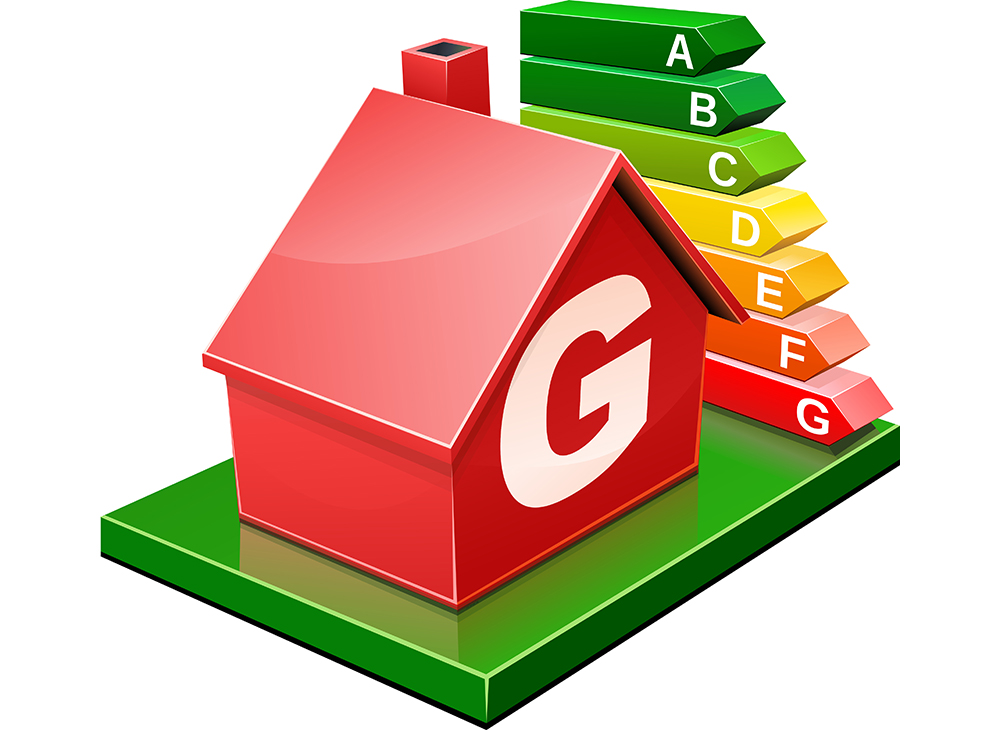
From 1st January 2025, a new key step has been taken in the fight against energy-inefficient properties.** It is** now forbidden to rent a property rated G in the Energy Performance Certificate (EPC). This measure forms part of a series of reforms aimed at improving the energy efficiency of housing and addressing climate challenges.
As a network specialised in the sale of primary residences, secondary homes and buy-to-let investments, we set out a reminder of the past and upcoming stages of these regulations.
Key milestones since 2022
Regulations have been progressively strengthened to target the least efficient properties:
- From 25th August 2022: Rent freeze for F and G rated properties
Owners of these properties can no longer increase rents when a lease is renewed or a new tenancy begins. - From 1st January 2023: Ban on renting G-rated properties consuming more than 450 kWh/m²/year
This first ban targeted the most energy-intensive properties. - From 1st January 2025: Ban on renting all G-rated properties
Owners of these properties must carry out renovation work to bring them into compliance before they can be rented.
Upcoming deadlines to watch
For investors and buy-to-let owners, it is essential to be aware of the future stages of this transition:
- 1st January 2028: Ban on renting F-rated properties
This ban will affect a larger number of properties and requires planning now to avoid loss of rental income. - 1st January 2034: Ban on renting E-rated properties
By this date, only properties rated D or better may be offered for rent.
These measures form part of a national strategy to achieve carbon neutrality by 2050.
Impact on the property market
EPC-related regulations are profoundly changing the rental market and property transaction dynamics:
- For buy-to-let investors: Purchasing a property requiring energy renovation work may represent an opportunity, but it is essential to accurately assess the costs and timelines for compliance.
- For sellers: Properties with a good EPC are gaining in attractiveness and value, while energy-inefficient properties often suffer a discount.
- For buyers: The EPC is becoming a central criterion when choosing a property, whether for personal use or buy-to-let investment.
How to prepare
To meet these new obligations, here are some recommendations:
- Carry out an energy audit: Identify the work needed to improve your property’s energy performance.
- Plan ahead for deadlines: Do not delay starting renovations, as demand for tradespeople and materials is likely to increase as deadlines approach.
- Find out about available grants: Programmes such as MaPrimeRénov’, CEE and zero-interest loans can significantly reduce the cost of works.
- Optimise resale: If you are considering selling a property affected by these bans, we can help you maximise its value and find solutions tailored to your needs.
Conclusion
Current and upcoming energy regulations are profoundly transforming the property market. Whether you are an owner, buyer or investor, our network of property agents is here to support you through these challenges.
For any questions or to benefit from personalised support, contact us today.