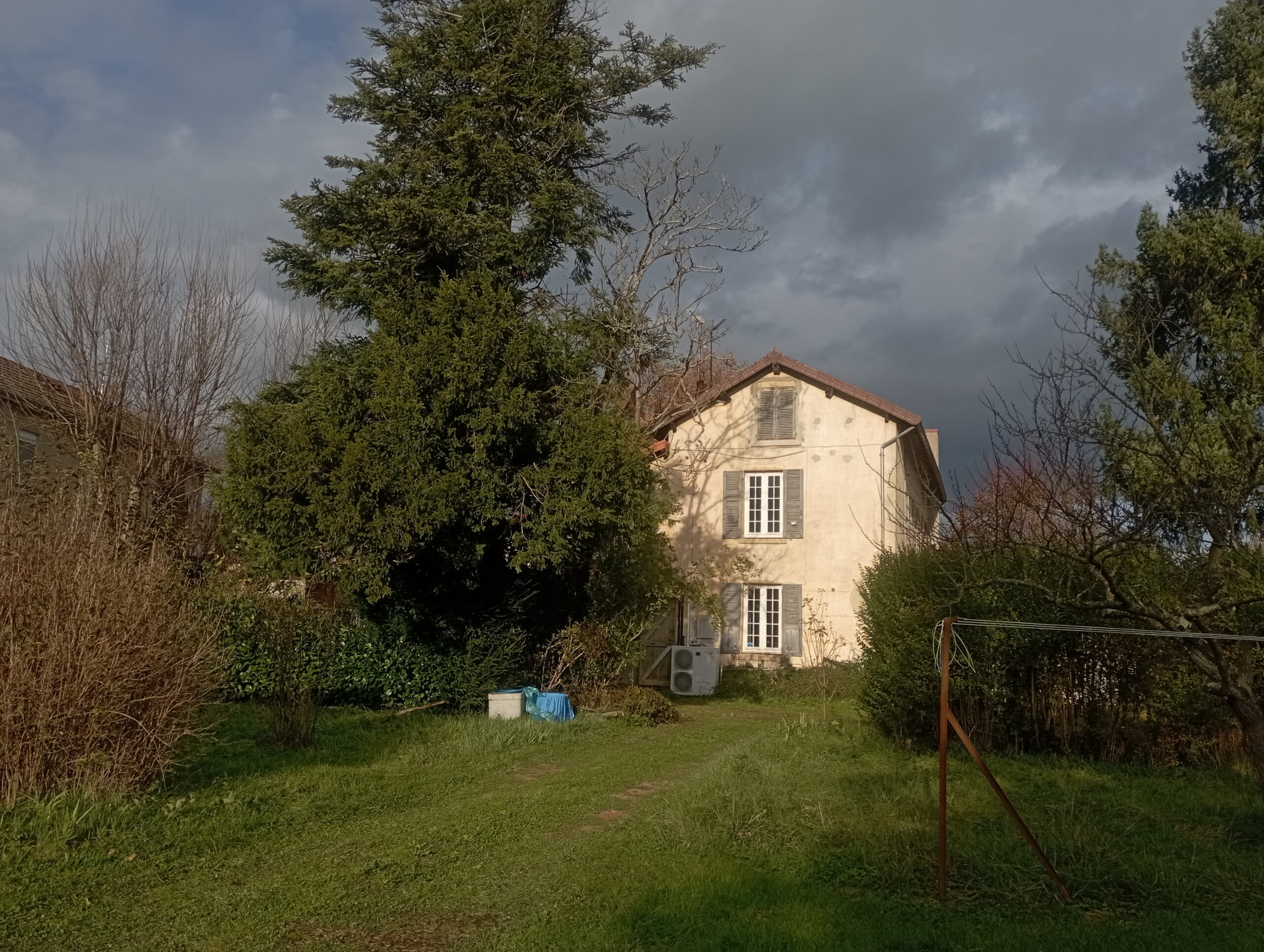
Doubling of property deficit: three years to renovate!
Experienced property investors know the principle of the property deficit well and, most of the time, rental investment adds a tax-reduction objective to the perception of rent. Using this angle to encourage the energy renovation of the French property stock...

Experienced property investors know the principle of the property deficit well and, most of the time, rental investment adds a tax-reduction objective to the perception of rent. Using this angle to encourage the energy renovation of the French property stock constitutes a powerful lever, which the Assembly has just highlighted to help France meet its ambition linked to the ecological transition.
Let us look back at the ins and outs of the property deficit, the doubling of which will give a real boost to landlord owners sometimes encountering difficulties in financing heavy renovation work.
What is the property deficit?
If you are a novice in this matter, let us revisit the mechanism of the property deficit. If you are a landlord owner of an unfurnished rental property or plan to become one, you will logically be subject to income tax (rental) in the category of property income.
Below the threshold of €15,000 in annual receipts, you can claim the micro-property scheme: a 30% allowance is applied before taxation, automatically reducing the tax burden. But by choice or mandatorily beyond €15,000 of annual rental income, you will have to declare under the actual regime. To put it simply, you will then only be taxed on the remainder of your income, after having subtracted deductible expenses (management, maintenance costs, insurance premiums, etc.).
This is when the property deficit comes into play. If deductible expenses are higher than the rents received (which can happen after major work for example), a property deficit is created: the expense exceeding the rental income can be deducted from other income (such as salary), with a view to reducing overall taxation. The law nevertheless imposes a limit of €10,700 of deficit thus “usable” each year, but the surplus can be carried forward to subsequent years in deduction of future income, for a maximum of 10 years.
Why act on the property deficit?
The maximum amount of the deductible property deficit, both each year and over the 10-year period, may prove limiting, particularly in the event of comprehensive renovation. Revising it upwards, in addition to the generated benefit of further reducing the income tax of landlord owners, would certainly encourage them to renovate their property stock to take advantage of it. This is undoubtedly the meaning of the announced measure, in view of the challenges of the energy transition.
Because this is openly a measure intended to support the goodwill of landlord owners actively wishing to keep to the schedule set by the Climate and Resilience law adopted in 2021, concerning the ban on renting out energy-inefficient properties. As a reminder, properties classified as G, F and E on the DPE energy performance diagnosis will respectively be banned from renting in 2025, 2028 and 2034. The worst energy-inefficient properties will even be concerned from 1st January 2023, whereas properties with consumption exceeding 450 kWh per square metre per year can no longer be rented out.
Acting is therefore urgent, to comply with the law and to protect tenants on the other hand, as far as possible, from soaring energy prices.
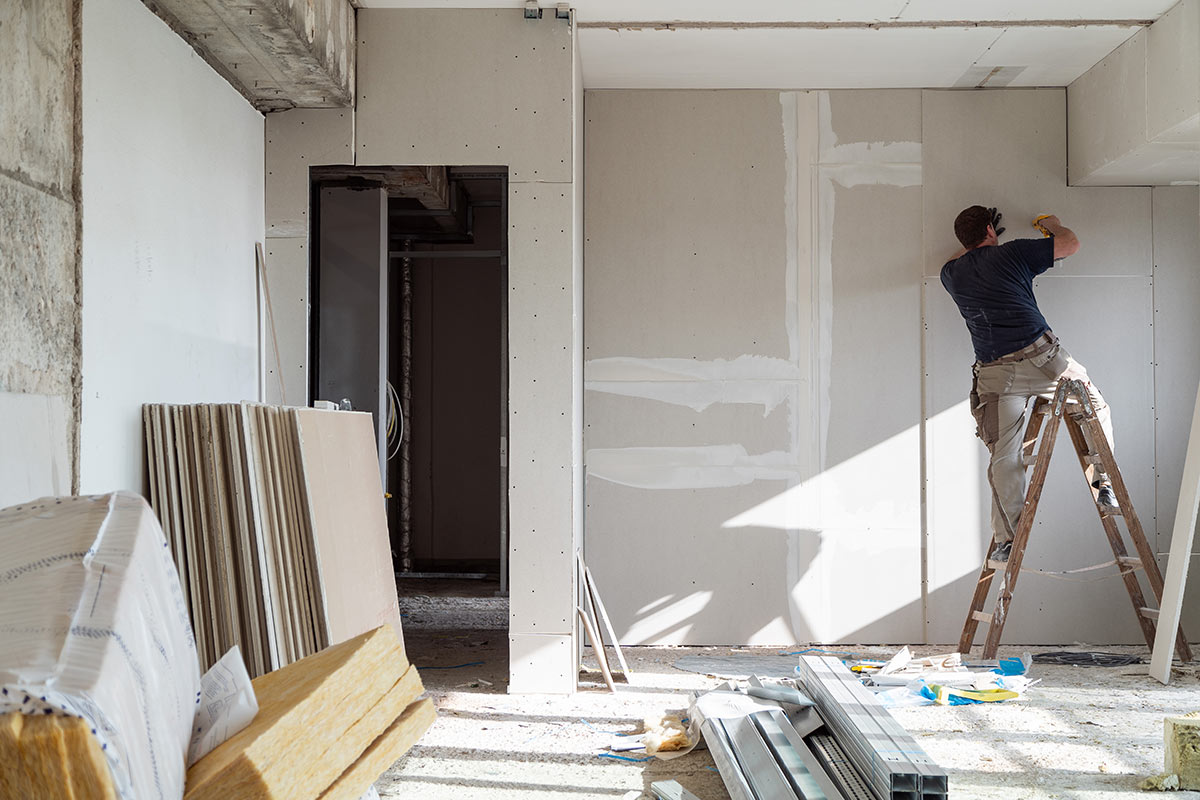
Good news: the property deficit doubles (under conditions)!
Supported by the Les Républicains group, an amendement tabled on 5th November and integrated into the 2022 amending Finance Bill, provides for the doubling of the property deficit. This will therefore be increased to €21,400, at least until the end of 2025.
Be careful, to claim it, it will be necessary to carry out energy renovation work sufficient to take the property out of the energy-inefficient category and become at least classified as F on the DPE by 2025. However, and in view of the other rapid deadlines, an owner will have every interest in focusing their renovation on the objective of reaching a rating of D, at least. They will thus avoid further work within 5 years. Let us specify that estimates accepted since 5th November 2022 can serve as supporting documents during the next tax return.
The doubling of the property deficit will allow the improvement of comfort, particularly thermal comfort, of current rental properties, which is excellent news for many tenants living in a property that is too often neglected. The measure can additionally give rise to projects for the acquisition of energy-inefficient properties with a view to renovation: since the announcement of the upcoming rental bans, the placing on the market of properties classified as F and G, or even E, has flooded the market.
Opportunities are therefore to be seized for a savvy investor who, after having acquired the property for a low price, will be able to proceed with a nice tax exemption on their renovation: enough to make one want to become a landlord owner! Be careful however, as the duration of the scheme is limited and a comprehensive renovation is time-consuming, do not hesitate to launch your project as soon as possible!