The 13 Desserts of Christmas Eve in Provence
On 24 December, 13 desserts served on 3 tablecloths in the middle of 3 candlesticks… a lovely tradition straight from Provence. But why do they do this? We asked ourselves the very same question.
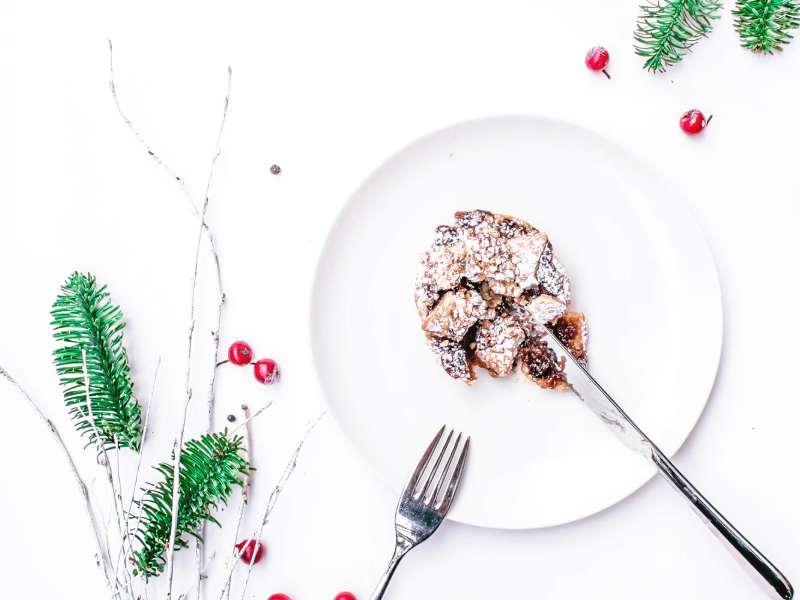
On 24 December, 13 desserts served on 3 tablecloths in the middle of 3 candlesticks… a lovely tradition straight from Provence. But why do they do this? We asked ourselves the very same question. There will thus be a little taste of Provence in our home too on Christmas Eve.
The origins
Somewhat like the Santons, the 13 desserts are a well-established Provençal specialty during the festive season. And just like the santons, this tradition dates back several centuries. However, it would not be until the 1920s that Frédéric Mistral would give it a new lease of life. Indeed, we owe this revival to the félibres. These are the members of the literary movement that sought to preserve the Provençal language and its traditions. Moreover, in Provençal, the 13 desserts are called the Calenos.
Why such opulence? Thirteen is a symbol above all; this figure represents Jesus and the 12 apostles at their last meal together. There are therefore 13 desserts, one for each person. During this vigil, the Provençals’ meal is very meagre but it is no less magnificent. This is what they call the gros souper just before the Midnight Mass.
The 13 desserts
In Provençal, they are also called Calenos, and their preparation varies greatly depending on the villages and districts of Provence. There are around fifty varieties, but here is the selection of the 13 most common desserts on Christmas Eve in Provence.
-
the famous pompe à huile: this is the centrepiece for introducing the 13 desserts, a cake flavoured with orange blossom made from flour, olive oil and brown sugar. It is meant to represent the bread that Jesus had broken. It is served with dried fruits:
- almonds
- hazelnuts
- dried raisins
- dried figs
-
nougat, there are 2 types, white and black
-
dates
-
a medley of seasonal fruits: apples, pears, oranges and mandarins
-
melon, grapes and an exotic fruit
-
the famous quince paste
-
crystallised fruit, of course!
-
and to finish, local specialties:
- calissons, the specialty of Aix-en-Provence
- oreillettes, fritters with a fine and crispy pastry
The presentation
Given the list above, you are certainly wondering how to present all of this. In the simplest way possible, on a dedicated table. This table will be covered with 3 white tablecloths, symbol of the Trinity with 3 candles or candlesticks.
By the way, rest assured, the 13 desserts will remain on this table for 3 days, with the crumbs according to tradition. However, the guests must all taste them!