Discovering the Champagne Routes…
Champagne has always been perceived as a fine wine, a royal wine. And with good reason, beyond its own qualities,
Champagne has always been perceived as a fine wine, a royal wine. And with good reason, beyond its own qualities, champagne is produced in the Champagne region, whose main city is Reims, the city where the kings of France were crowned.
This refined wine has existed since the Gallo-Roman era but at that time, it was not sparkling. It was only in the 17th century that Dom Pérignon, a Benedictine monk from the abbey of Hautvillers, discovered the process that gave this wine its characteristic fizz.
Since the first bottle was sold on the retail market in 1660, champagne has continued to turn heads! In 2012, more than 300 million bottles of champagne were shipped worldwide, generating an annual turnover of 4.37 billion euros. While the top importing countries remain Great Britain, the United States and Germany, new external markets are expanding. China, for example, is becoming an increasingly important player since more than 2 million bottles were exported there in 2012.
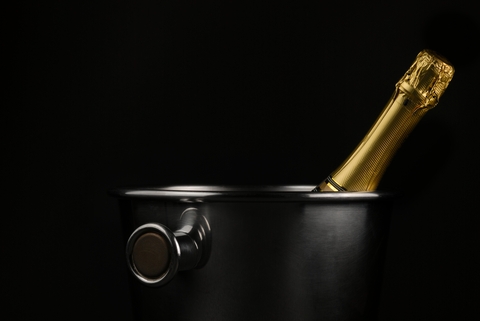
Discovering the region and the methods of producing champagne
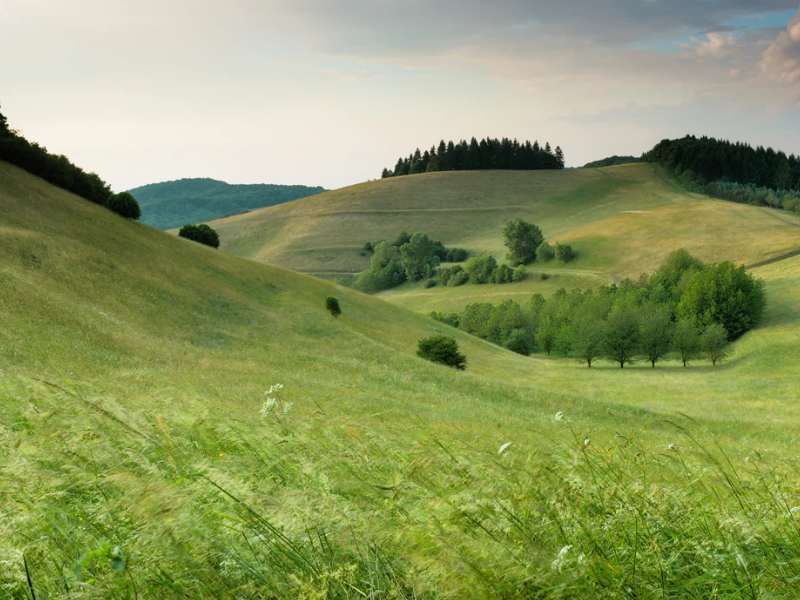
Champagne is a wine protected by an AOC (appellation d’origine contrôlée), produced on an area of nearly 35,000 hectares in the Champagne region. Three types of grape varieties are cultivated there: Pinot Noir (representing 38% of the cultivated area and very often used for blends), Chardonnay (representing 30% of the cultivated area and recognised for its finesse), Pinot Meunier (representing 32% of the cultivated area and particularly appreciated for its fruity aromas). These grape varieties are located in 4 zones: the Reims mountains, the Marne valley, the Côte des Blancs and the Côte des Bar.
If you wish to discover this magnificent region, 5 routes have been created for champagne-loving adventurers! The most well-known route is certainly the one linking Reims to Epernay, “the capital of champagne”. Reims is home to nearly 250km of cellars and prestigious champagne houses such as Veuve Clicquot, Pommery and Taittinger have established themselves there. Epernay, for its part, is crossed by nearly 100km of cellars and houses some of the most renowned houses: Moët et Chandon, Mercier, Nicola Feuillate or Perrier-Jouët. Along the way, you will find nearly 26 reception points (champagne houses, producers, cellars…) who will be able to introduce you to and taste the best champagnes of the region.
If you enjoy walking, this itinerary is the most suitable. Crossing the Parc Naturel régional de la Montagne de Reims, there are many spectacular viewpoints to admire along the way: notably the faux de Verzy, a natural curiosity unrivalled anywhere in the world since these faux are made up of twisted beech trees 4 to 5 metres high, to be admired in winter as in summer.
You wish to invest in the Champagne region?
Passionate about the Champagne region, you wish to invest in an exceptional property?
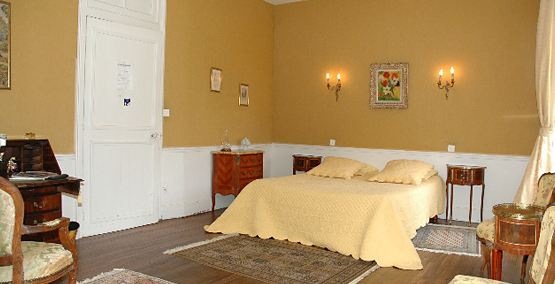
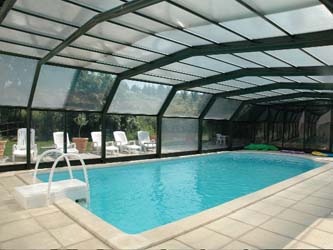
Sextant France offers you this 18th-century château nestled in a green setting of nearly 15 hectares. Its 4 towers and outbuildings form spacious and bright bedrooms and reception rooms. The château is currently operating as a hotel business with an activity for organising professional seminars or receptions. Located in Igny in Champagne, 25 minutes from Epernay, this prestigious property is situated in the heart of the Champagne territory.
If you wish to receive more information concerning this exceptional château located in Champagne, please do not hesitate to visit the Sextant France website or call us on 01.70.61.27.15.