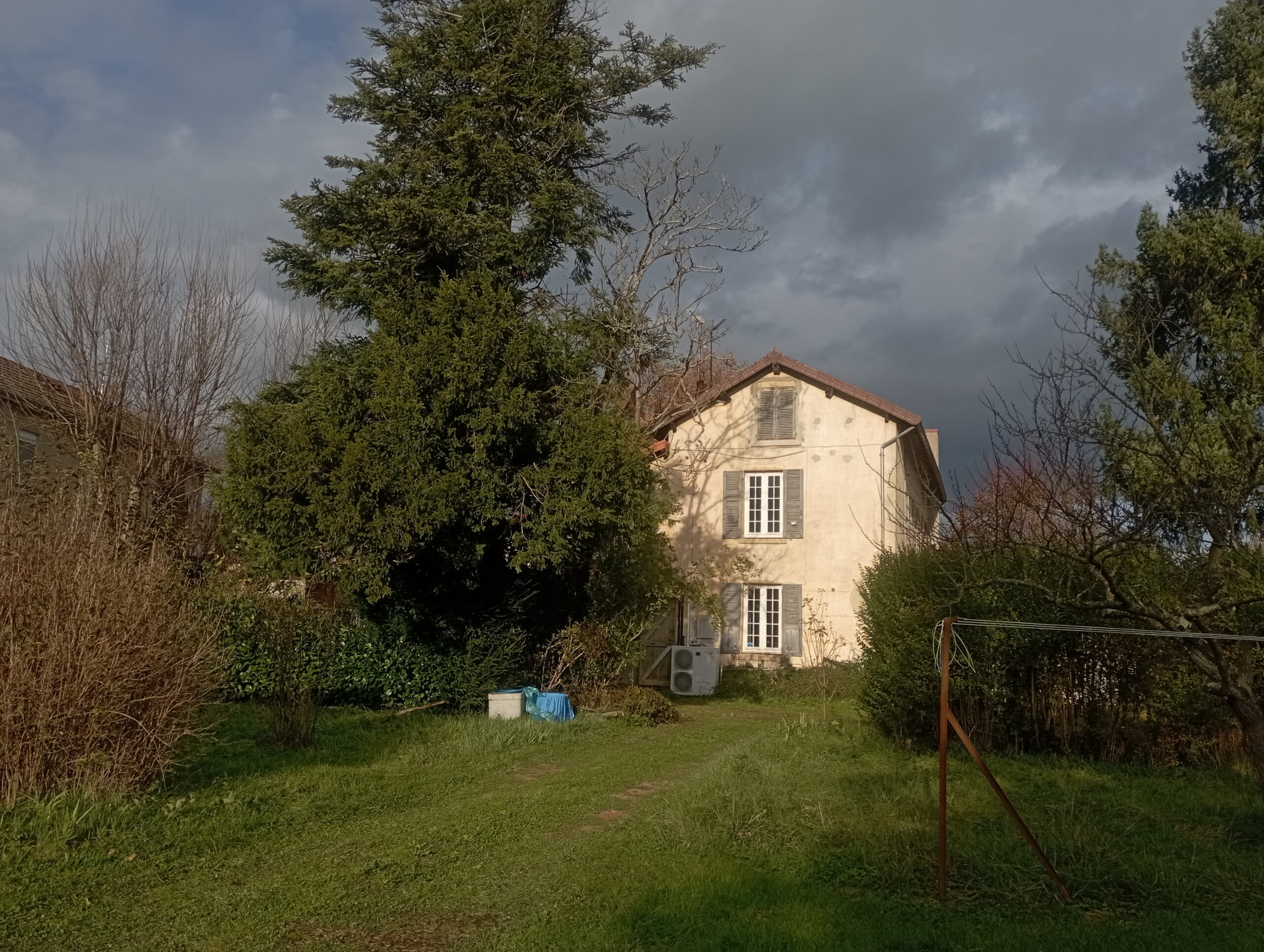
Your property has been squatted: what recourse do you have?
A nightmare for owners, particularly those of modest means, squatting raises numerous questions about how to regain possession of one's property. Surprisingly, the law appears to protect the occupants of a property even when they occupy it entirely illegally. Let us review the principles to know in order to put a stop to this plague, sometimes characterised as a societal phenomenon, as quickly as possible.

A nightmare for owners, particularly those of modest means, squatting raises numerous questions about how to regain possession of one’s property. Surprisingly, the law appears to protect the occupants of a property even when they occupy it entirely illegally. Let us review the principles to know in order to put a stop to this plague, sometimes characterised as a societal phenomenon, as quickly as possible.
What is squatting?
As set out in article 226-4 of the Penal Code, the law punishes any person who enters a dwelling by force and occupies that place durably without being the holder of a lease, nor having obtained the owner’s authorisation. This may be a dwelling but also a plot of land or a garage, for example. The penalty provided for is one year’s imprisonment and a €15,000 fine.
The voie de fait is characterised by breaking and entry with violence against persons (threats or physical coercion) or the fixtures of the dwelling (forcing a gate, door or window, a lock, as well as replacing the lock). The duration of occupation, for its part, is not precisely defined: the law speaks of “durable maintenance in the dwelling”.
Please note that a person who refuses to leave a dwelling following the end of their lease or after having been accommodated by the owner of the property will not be considered a squatter.
A squatter is occupying your primary residence
If you are unlucky enough to find your home occupied upon your return, or to be expelled by force, the law protects you through immediate remedies but which require certain steps.
You will need to curb your desire to act on your own behalf and go to the nearest police station to file a complaint. You will need to prove that you are indeed the owner and occupant of the property (through a bill, a neighbour’s attestation, etc.) and request that the illegal occupation be noted by a police officer.
The next step is a formal notice from the prefect to leave the premises, in accordance with article 38 of the Dalo Act of 2007, followed by the intervention of the public authorities, immediately or after a short delay depending on the case. If the prefect refuses to issue a formal notice, you may refer the matter to the judge for interim relief at the administrative court in référé-liberté, in order to have your expulsion request upheld.
The case of a secondary residence

The procedure is not the same if the squatted property is not your primary residence. By acting within 48 hours, the police can intervene and free your property without needing a court order. This applies only if the dwelling was subject to a voie de fait.
You will need to prove ownership of the property as above, and also have the breaking and entry noted by a police officer.
In the event you are unable to carry out these steps within 48 hours of the occupation beginning, you will need to go through a much longer judicial process (generally between 5 and 7 months).
Your solicitor will refer the matter to the judge of the judicial court from which the squatted property depends, and it will be necessary to identify at least one of the squatters, as you cannot request an eviction summons against X. A bailiff is normally tasked with attempting to identify the occupants, as the owner is no longer supposed to approach the property: the squatters could sue for violation of dwelling. Surprising, but this results from a strict application of the law.
At the end of the proceedings, a judgment is issued ordering the eviction. Service of this on the squatters triggers a one-month period, at the end of which a notice to quit the premises is issued. The public authorities may then intervene.
The eviction of squatters
Let us add two important clarifications regarding the eviction of squatters, introduced by the Elan Act of 2018 and applying (solely) in the event that the dwelling was entered by voie de fait.
The first, resulting from article L.412-1 of the Code of Civil Enforcement Procedures, is that squatters no longer benefit from the 2-month period between the notice to quit the premises and the actual implementation of the eviction. The public authorities may provide assistance immediately if necessary, except in the event of opposition by the Prefect (in which case you may take action against the State to obtain compensation for the damage suffered).
Secondly, and unlike any other eviction procedure, the winter truce will not apply, thanks to the entry into force of article L.412-6 of the Code of Civil Enforcement Procedures. Your undesirable occupants may therefore be evicted following the court decision (the delay in issuing which is already long enough).
As recent news has reminded us, targeted property squatting in most cases affects unoccupied secondary residences. It is therefore difficult for owners to be responsive and recover their property within 48 hours. The oddities of the law regarding time limits and the protection of squatters are causing controversy: evolution is likely in the months or years to come. Watch this space!