Property buyers: the criteria in favour at the start of 2021
The health crisis has transformed French property buying habits. We take stock of the new criteria.
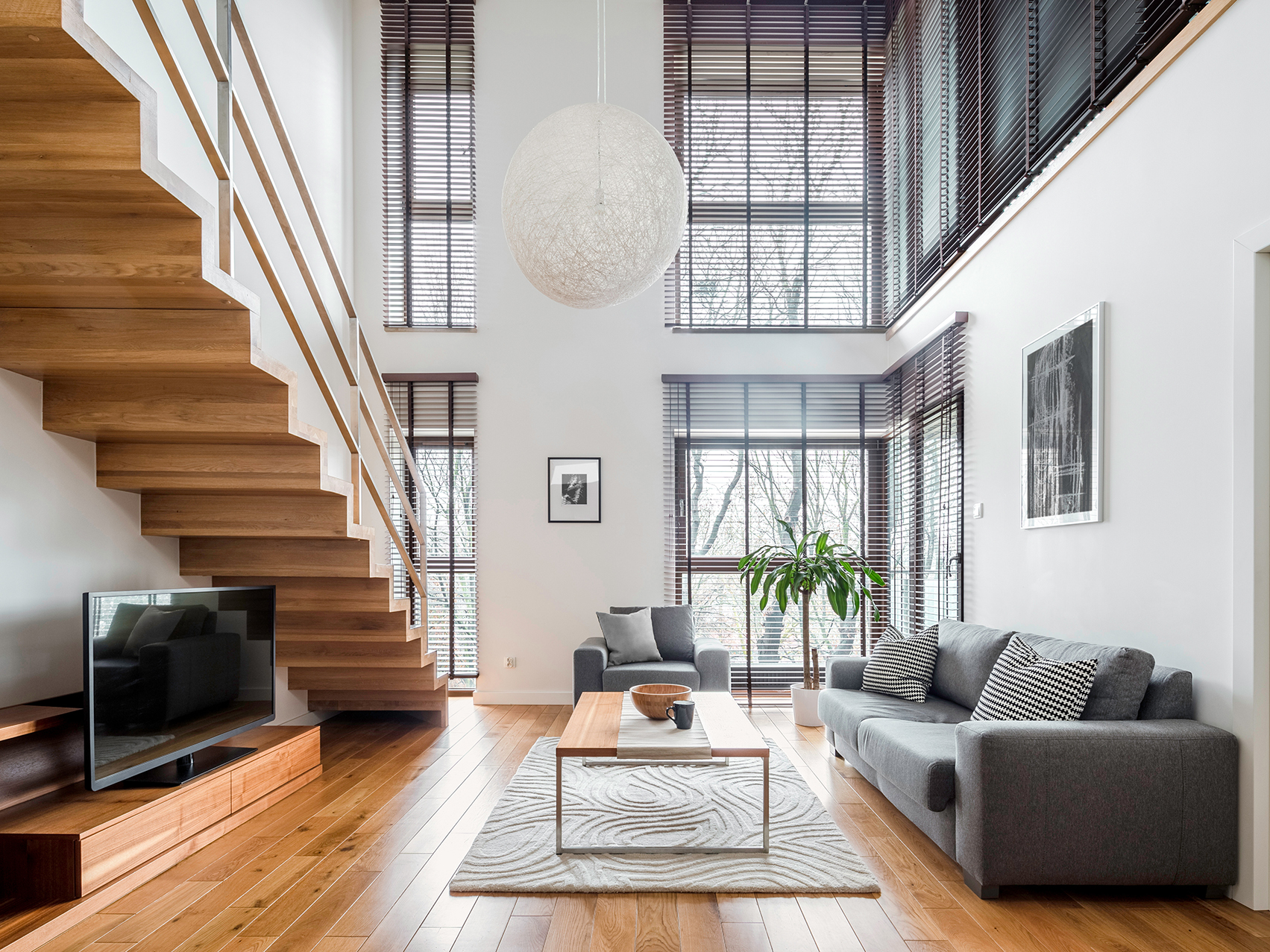
A year and a half of health crisis has transformed French property buying habits. City dwellers want to escape the cities, properties sought are larger, contain more outdoor space – in short: estate agents must adapt their offering and buy-to-let investors must take care to meet genuine demand.
To sort through this, Se Loger carried out a study revealing the criteria according to which the greatest number state they are considering their property project for the end of 2021. Conducted among 3,000 prospective buyers already engaged with an estate agent, the study reveals a trend that can be summarised in 4 main points.
#1 More than one project in two concerns a house
We mentioned this above, and this trend already noted in 2020 after the first lockdown seems to be establishing itself durably. Unfortunately for large apartments, the house is gaining buyer preference thanks to the greater volume and of course, because balconies and terraces there are most often complemented by a garden with the much-coveted greenery.
Smaller properties will probably be less penalised by this trend, given that these acquisitions are often made for lack of greater means, or by a type of population actively wishing to acquire them: young people and investors, or even elderly people wanting to live close to city medical facilities and no longer needing a large property.
The Se Loger study specifies that employees who have experienced working from home are particularly affected by the desire for a house, with the 35-49 age group leading the way. Only one in four people is looking for an apartment. It should also be noted that some Parisians wish to settle in another region.
#2 The countryside sees its appeal quadruple
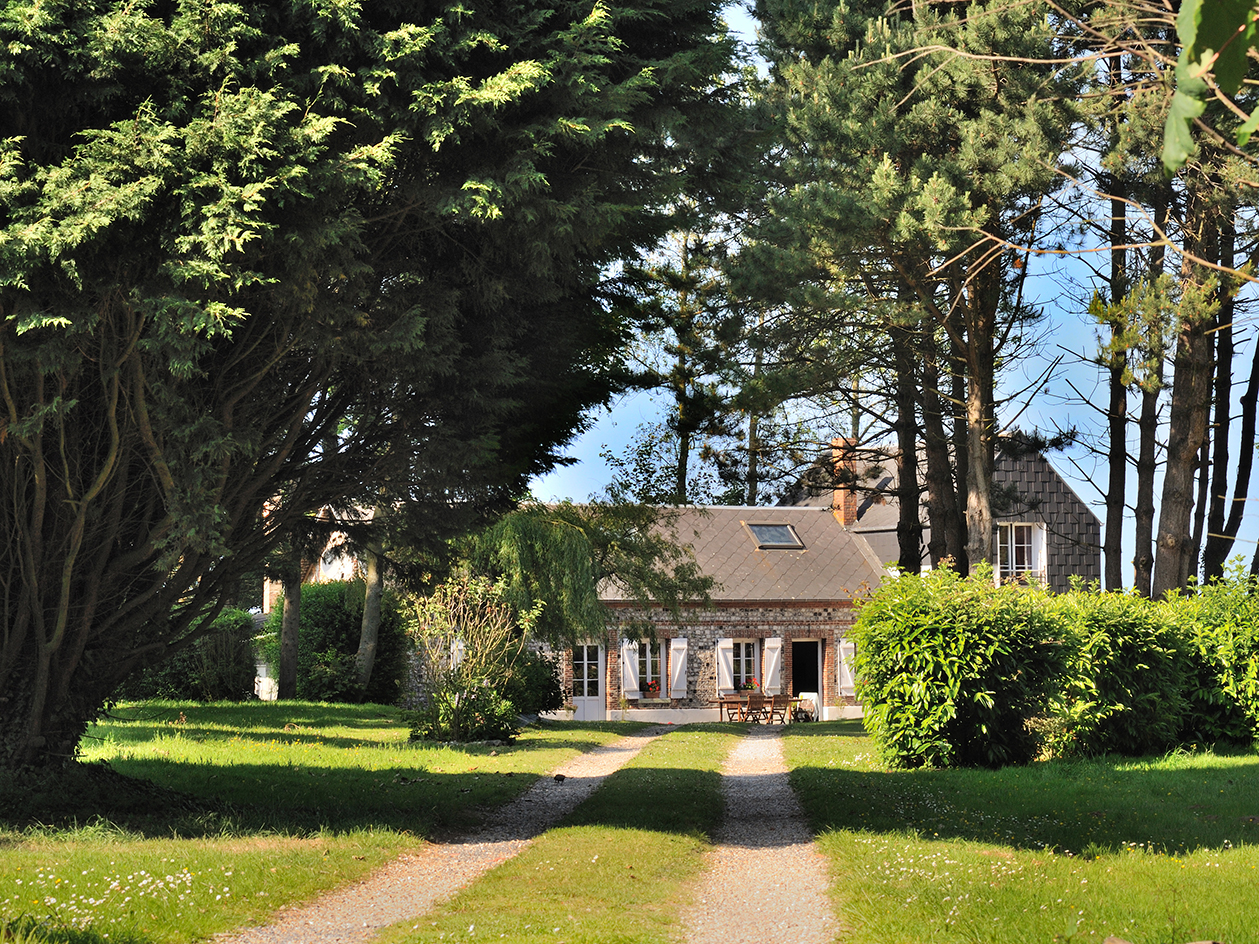
This brings us to the second point: the attraction for the countryside and of course, the urban exodus observed concerns all French major cities and not only the Paris region. Se Loger informs us that a third of purchase projects target towns of fewer than 20,000 inhabitants, and that 20% of buyers wish to move into a rural area.
However, this is not a rejection of the city as such, but rather the desire to integrate less dense towns or their proximity. The French hope to find less traffic, more greenery, while retaining a certain level of leisure, culture, as well as the possibility of offering good education to children. This trend looks set to last, it began even before the health crisis which simply enlarged its scope in a short period of time.
Cities formerly less sought after such as Angers, Libourne, Le Mans or Laval are thus gaining inhabitants most often coming from other metropolises in the same region. Property prices, more reasonable than in other cities of comparable size, are certainly not unrelated. Buyers are mainly between 30 and 45 years old, wish to stay near railway lines and have a high-performance internet connection.
#3 More spacious properties
The constant, sometimes oppressive proximity during the various lockdowns with other family members has a direct consequence: property requests include one more room than usual. This trend can also be explained by the development of working from home and the need to set up a home office.
It can be assumed that this will have a positive impact on the sale of older properties, leaving the possibility of carrying out work (81% of buyers are open to this). It is more difficult to create an additional room in a new-build property, whose rooms correspond to current lifestyle and leave no unused space. However, those with larger budgets can favour buying new-build properties with the desired number of rooms.
#4 The budget is not a particular cause for concern
Eighteen months of health crisis has allowed our society and its economy to adapt to a slightly different functioning from before. Concern is no longer on the agenda, and consumption has picked up again, as have investments and employment.
This is probably what explains that 24% of buyers and 21% of sellers are counting on an improvement in their purchasing power by the end of the year. They were respectively only 11% and 8% in April 2020! More than half of them, moreover, are aiming for stability in their means.
The property market is still doing well, and prices continue to rise. However, this does not have a great impact, since as described above, the French are turning towards less expensive towns. With an equal budget, they are therefore able to acquire the dreamed-of garden and the extra room needed.
This survey carried out by Se Loger has the interesting feature that it is likely to encourage estate agents, on reading it, to review their approach. By taking advantage of the opportunity to move to a less competitive but increasingly popular sector with clients, for example. Or simply by emphasising (and providing more resources for) the search for properties better suited to the changing demand. Trend to watch!