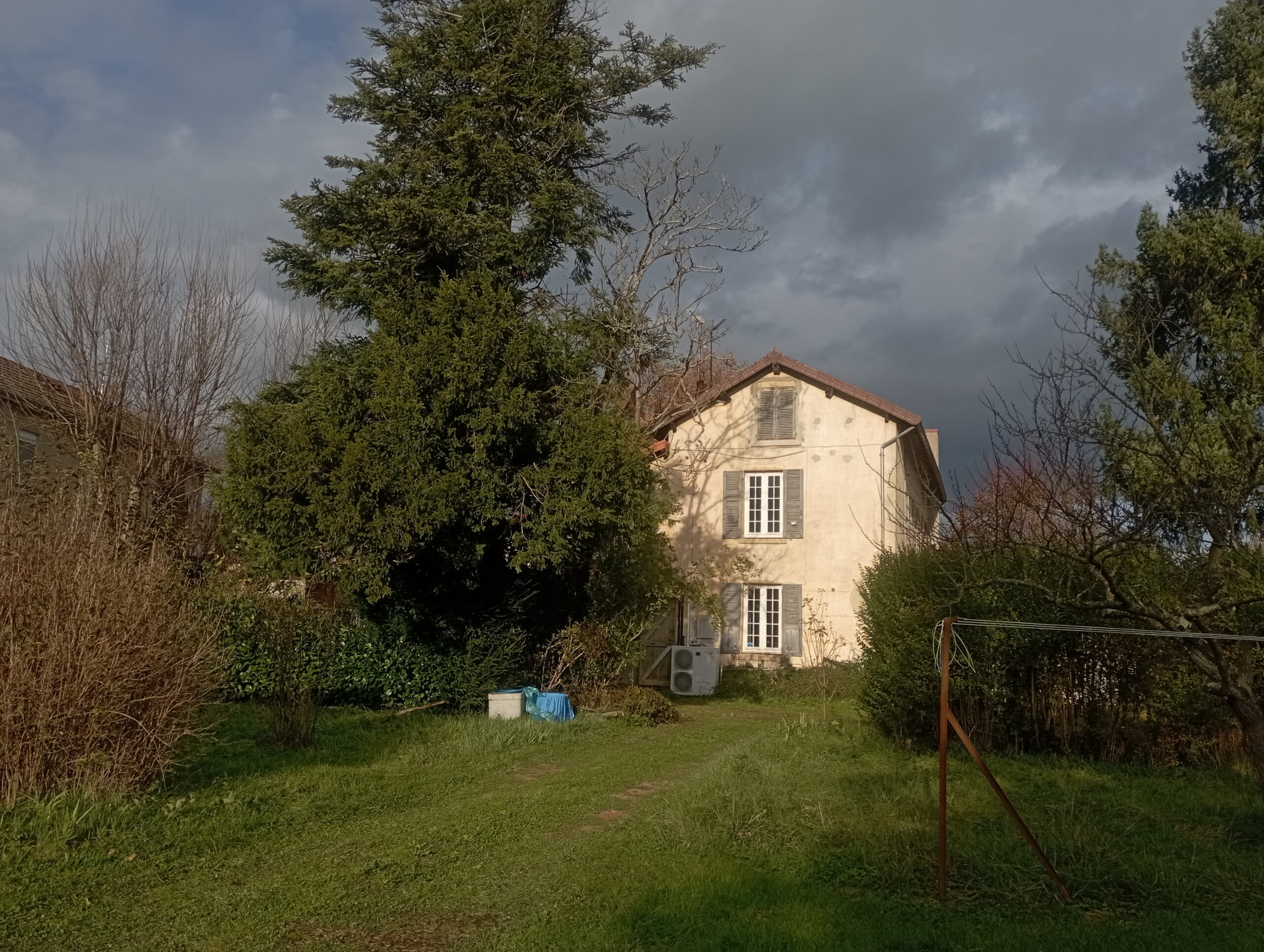
How to detect hidden defects during a viewing?
When acquiring a property in the older housing stock, a discerning eye is essential: you purchase as seen and very few defects will allow you to pursue a claim for compensation. These are known as hidden defects, and they must meet several conditions to be classified as such.

When acquiring a property in the older housing stock, a discerning eye is essential: you purchase as seen and very few defects will allow you to pursue a claim for compensation. These are known as hidden defects, and they must meet several conditions to be classified as such. The most important being that had you been aware of them, you would not have purchased the property. It is therefore advisable to detect these defects before signing a preliminary contract, and here are some useful tips.
What are hidden defects?
A scratch on a wall paint or a chip in the tiling cannot be considered hidden defects. To obtain a price reduction, the defect must cause you actual prejudice, as we shall see.
Learn to recognise them
First, let us look at some examples of hidden defects, to guide your searches. This is of course a non-exhaustive list of defects that could lead to regretting your acquisition. Look out for:
- a crack in the concrete slab supporting the structure,
- a porous roof,
- a leak in the taps flooding the walls,
- the property’s susceptibility to flooding,
- no running water supply,
- a lack of structural integrity in the timber frame,
- damage caused by woodworm,
- a lack of uniformity or cracks in the tiling.
The legal provisions
To be considered a hidden defect, the defect must be sufficiently debilitating to prevent your peaceful enjoyment of the property. This is indicated in Article 1641 of the Civil Code, which states that “the seller is bound by the warranty for hidden defects in the sold item which render it unfit for the purpose for which it is intended, or which diminish that use to such an extent that the buyer would not have purchased it, or would only have given a lesser price, had they known”.
More concretely, the defect must be hidden: no recourse will be possible if you purchased with full knowledge. It must also render the property unfit for its intended use. On this point, a damp house or one at risk of collapse are characteristic examples of danger related to occupancy. Finally, the defect must have existed at the time of signing the preliminary contract.
Please note that normal wear and tear of the property’s constituent elements (a roof becoming porous with age, for example) cannot constitute hidden defects. It is therefore essential, so you do not feel aggrieved or be burdened with unexpected costs, to know what work is required before purchasing. As for hidden defects, some precautions should be taken during your viewings.
Know who to surround yourself with

Not everyone has the necessary skills to detect hidden defects, especially as they will not be your main concern during a viewing. Trust a third party!
Never view alone
To imagine your life in a property, you may tend to focus on the volumes, light and practical aspects. However, you are purchasing a construction that must be functional and secure. The best reflex is to invite one or more trusted persons to view the property with you.
Having no purchase decision to make, your friend or family member can maintain the necessary distance for an objective examination of the property’s condition. An aging window, a floor needing replacement or suspicious cracks will not escape the benevolent eye of your loved one, who can alert you.
Call in a professional
If something seems suspicious to you but you do not have the expertise to pursue the investigation, do not hesitate to call in a building professional or architect to clear up any doubt. The cost of their intervention will be minimal compared to the cost you will bear, financially and in terms of psychological pressure, if you overlook a hidden defect.
Search for possible defects
A defect can remain hidden until you have the reflex to inquire about a few essential points. Two approaches should guide you.
Examine the mandatory surveys
The many technical surveys now mandatory can give valuable indications: if you tend to glance over them briefly, make a habit of checking the points thoroughly. They leave less room for hidden defects to emerge. The presence of woodworm, for example, can no longer be hidden.
Be especially careful, as a defect noted in one of these surveys cannot under any circumstances be classified as a hidden defect later: you have been informed, even if the information slipped past you due to a too-hasty reading of these tedious documents.
Have the reflex to ask the right questions
Faced with the seller or estate agent, do not hesitate to be investigative. Test the electricity in the various rooms, examine the consumer unit to judge its age; run the water and check its colour, look at the condition of the piping; in each room, look up to examine the tops of the walls and ceiling: cracks could be present there. Outside, the condition of the facade and roof should be examined carefully.
Any question is worth asking given the stakes. The seller should be able to indicate the age of the various elements and give you details about their composition. Ask whether water ingress has occurred before, whether the ground is perfectly stable, whether the masonry and timber frame are solid. Do not forget to check for the presence of mains drainage, as well as an effective ventilation system protecting against moulds harmful to the property as well as to health.
Finally, and outside the specific framework of hidden defects, check the condition of the joinery, heating system and any other element likely to incur significant costs in future.
If, despite all these precautions, a hidden defect appears after your acquisition of the property, try to reach an amicable agreement with the seller. If you cannot, be aware that you have a period of two years to bring a warranty action: cancellation of the sale or a reduction in the sale price may be granted to you.