Housing: which work allows energy savings?
The energy efficiency renovation of French housing is on the minds of all homeowners currently and also generates much discussion, both in the media and in legislation. The challenge is significant: combating housing deterioration at the national level, catching up on European standards and adapting our living spaces to climate change.

The energy efficiency renovation of French housing is on the minds of all homeowners currently and also generates much discussion, both in the media and in legislation. The challenge is significant: combating housing deterioration at the national level, catching up on European standards and adapting our living spaces to climate change.
Carrying out renovation work also offers the prospect of making energy savings thereafter, reducing the true cost of the initial investment. The comfort gained and the added value given to the property only make these even greater bonuses. It is still necessary to define which work should be carried out, depending on the context of the building concerned and with a view to maximising energy savings, for financial reasons of course, but also to gain places in the energy performance certificate (EPC) ranking.
Let us list the types of effective work for making energy savings and which, furthermore, will benefit from government grants allowing savings to be maximised by reducing the investment.
#1 Replacing joinery
They obviously play a key role in a property’s ability to retain heat, as indeed to keep it outside in summer. Although most windows today have double glazing, technology is advancing rapidly and today’s windows protect far better than those from 20 years ago – for the record, double glazing has existed since the 1980s. Replacing all joinery – including doors and patio doors giving onto the outside – with modern double glazing or even triple glazing, will undoubtedly allow estimated energy savings of between 10% and 15% on the heating bill.
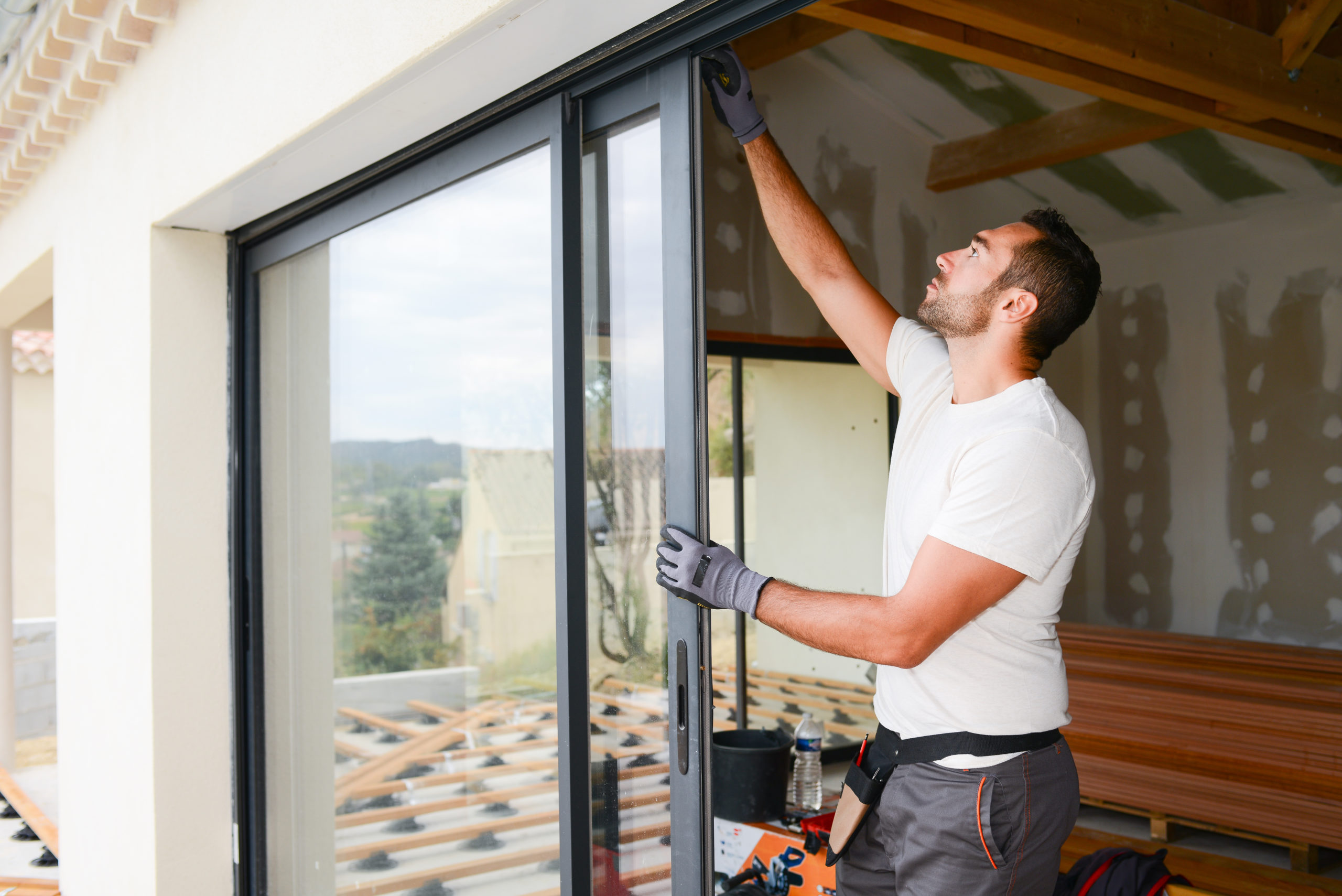
When choosing your future joinery, pay particular attention to the Uw coefficient, which must appear on the quote. It defines the energy performance of the frame and glazing, and the insulation will be all the more effective as it is low (as it reflects the inverse of thermal resistance). As a minimum, choose joinery with a Uw coefficient below 1.5. Good performance will see this indicator around 1.2 and so-called “passive” houses can reach 0.8.
Grants point: for replacing joinery, the grant under the Ma Prime Rénov’ scheme can reach €100 per unit for the lowest incomes, but will be limited to €40 for intermediate incomes. Beyond €38,184 in income for a single person or €56,130 for a couple, no grant will be awarded. Other complementary aids can be combined; find our summary at the end of this article.
#2 Insulating walls
Another vector for heat loss – or cold entry – the walls of a home need to be properly insulated to make substantial energy savings. In most older homes, internal insulation already exists: doubling it is not an optimal solution when the loss of living space is considered. Removing this existing insulation to replace it with more efficient materials can be a solution, but where possible, it would be wiser to reinforce it with external insulation.
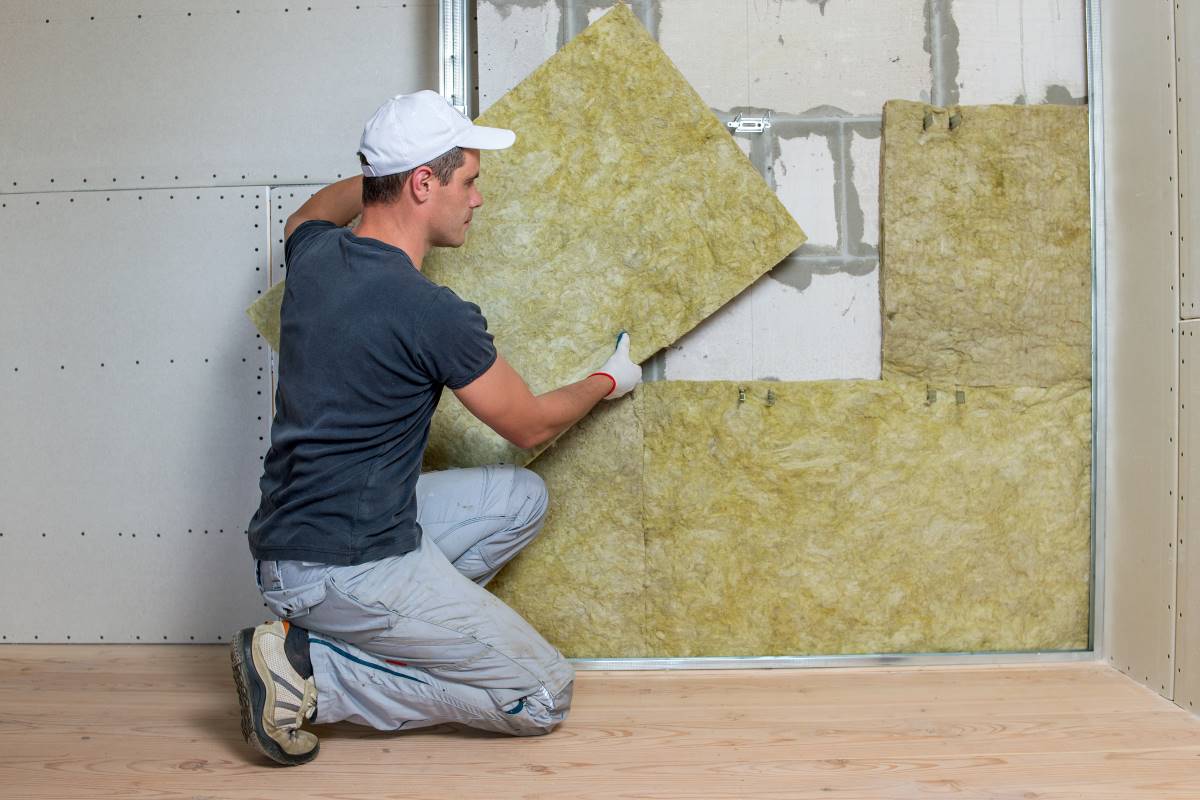
The possible gain is estimated at between 20% and 25% less heat loss, for external insulation costing around £150 per square metre. Large disparities are possible depending on quotes obtained: have the work assessed in your context by two or three companies before commissioning actual work.
Grants point: the aid can amortise the cost of this insulation up to £61 per square metre.
#3 Insulating lost loft space
Warm air becomes lighter and seeks to rise: insulating the roof remains the best way to limit heating expenditure. Ademe estimates that 25% to 30% of energy losses are caused by leakage through the roof, although the insulation work here will not be the most costly, far from it. Although the £1 insulation offer is no longer government-funded since 1 July 2021, other schemes are taking over to limit the cost.
Grants point: concerning loft insulation, the amount of aid that can be obtained is estimated at between £28 and £63 per square metre.
#4 Installing an air-source heat pump
This is equipment useful above all for the comfort of the occupants, but the return on investment will take many years. If the objective is to reduce energy consumption, it is nevertheless highly suitable.
For the record, a heat pump uses a refrigerant fluid to recover calories contained in the air, water or soil, inside or outside the property, to return them to the ventilation or hot water heating system. Unlike a refrigerator**, it retains heat and expels cold (or the reverse in summer if reversible). The process is both ecological and less costly in “imported” energy. Bills, compared with those of more conventional heating, can decrease by nearly £1,000 per year, depending on the size of the property.
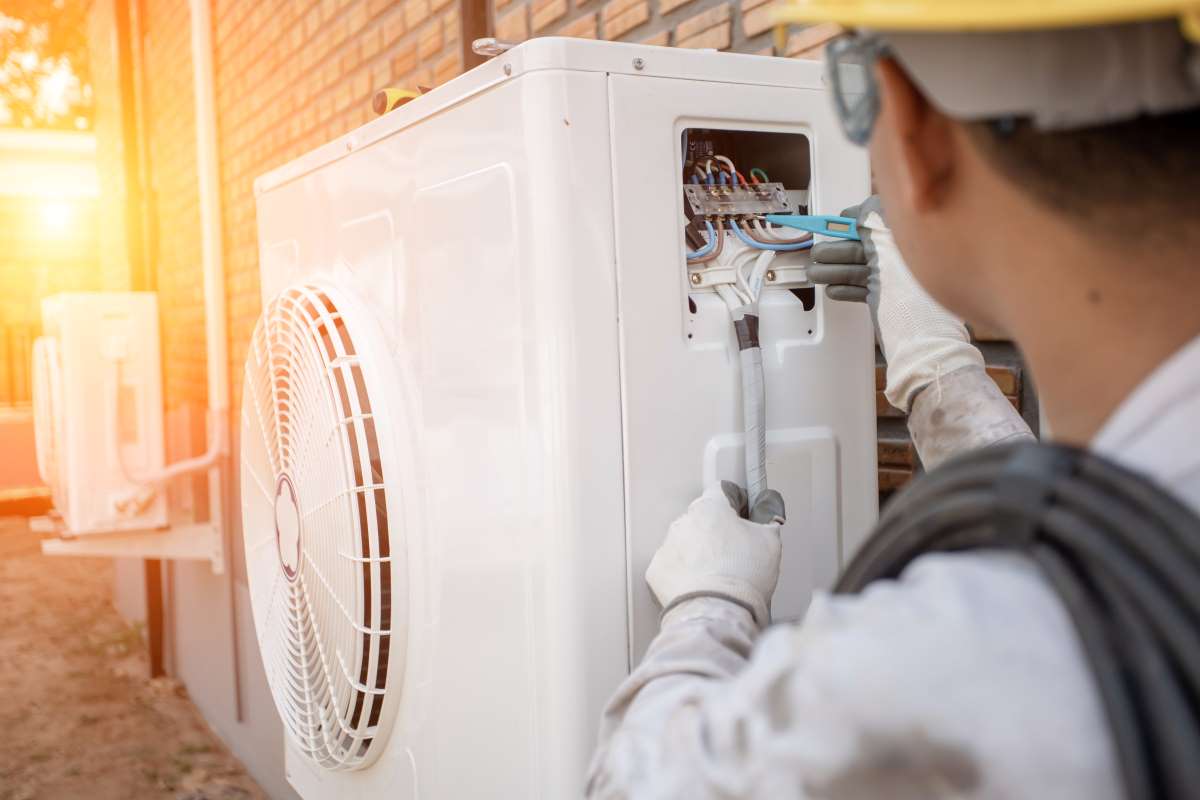
The acquisition and installation cost, meanwhile, is generally between £10,000 and £15,000, but can be reduced by grants awarded.
Grants point: by combining aids from the Ma Prime Rénov’ scheme and energy saving certificates (EEC), a household can hope to reduce the installation cost of a heat pump by 30% to 45%.
#5 Installing a combined solar system
A combined solar system is an installation using the energy input from solar panels, aimed at ensuring the production of part of the hot water (heating therefore included). In the most suitable regions, the system can cover 60% or even 70% of a home’s needs: a traditional system therefore remains necessary as a supplement, but the energy bill will be greatly reduced.
As for the installation price, for an average-sized house, it will range between £12,000 and £18,000. The profitability calculation will need to be made, deducting from this cost the savings actually achieved.
Grants point: the aid can cover, for this type of installation, up to £6,500 of expenditure, including £2,500 from the EEC.
#6 Opting for comprehensive renovation
All the work listed above will have a negligible impact if the property concerned is a thermal sieve. It will then be necessary to carry out comprehensive renovation, most often including complete insulation, replacement of joinery and installation of an economical and suitable heating system.

The need for such renovation must be planned from purchase and correctly budgeted for, but it can qualify for specific complementary grants if a prior audit is carried out. The cost will be, depending on materials chosen, between £35,000 and £70,000 for a 100 square metre property. The gain on energy bills is substantial: up to 75% less expenditure.
Grants point: comprehensive renovation is eligible for the Ma Prime Rénov’ scheme, which can provide a bonus of £7,000 or even £8,000 if the property is rated F or G on the EPC. EEC-linked grants can also reach £7,000.
Additional information on grants
Let us look more broadly at the schemes that can provide financial support for renovation work. Each household will need to carry out a personalised study as almost all grants – and their amounts – are conditional on household resources or the type of property and work. It will be relevant, in 2022, to look at:
-
The Ma Prime Rénov’ scheme first, in force under practically identical conditions to the previous year for 2022, which provides financial aid for most renovation work. However, note that the Ma Prime Rénov’ scheme now excludes from its scope properties completed less than 15 years ago (previously 2 years).
-
The Anah (national housing agency) which can be approached for a possible additional grant.
-
Banks likely to grant interest-free eco-loans (eco PTZ), without resource conditions, if they have signed a specific convention with the state.
-
Energy supply companies, likely to offer aid under the Energy Saving Certificates scheme. This can be in the form of grants, an attractive loan or advice.
-
The energy cheque, financial aid automatically allocated by the government based on household resources and which can be used to pay for renovation work if you are a beneficiary.
-
The Denormandie scheme, extended until the end of 2022, which allows for a tax reduction when acquiring a property to renovate in certain areas.
-
Finally, some local authorities carry out full or partial exemptions from council tax, conditional on the carrying out of renovation work.
Renovating one’s home or equipping it with a new heating installation now involves a careful calculation taking into account the costs and benefits provided, the study of the specific context, the added value of the property and possible grants. An equation to solve which, if well carried out, can make it possible to define the best actions to take to find higher long-term profitability.
Owner-occupiers and landlords are both concerned, and all will find a financial interest in renovating. Before proceeding, do not hesitate to consult a renovation professional who can give you valuable advice, and be sure to obtain several quotes. Good luck!