Health crisis and property projects: a rush to the countryside?
The President of the National Federation of Real Estate confirms that demand for housing in the countryside has increased significantly since the coronavirus health crisis and the resulting lockdown...
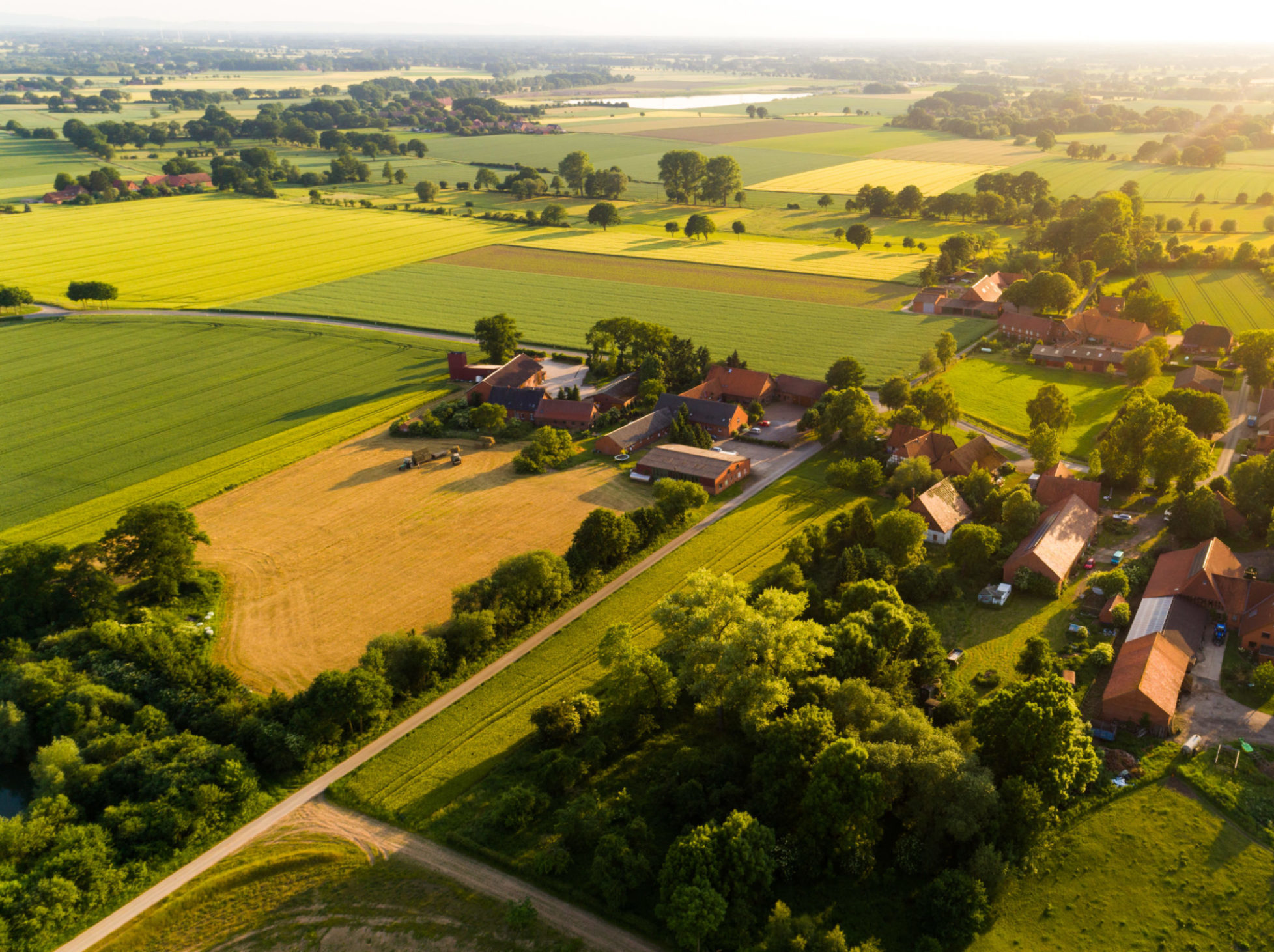
Several media outlets have been discussing this for weeks, and the President of the National Federation of Real Estate confirms it as indicated in this article from Figaro: demand for housing in the countryside is increasing significantly since the coronavirus health crisis and the lockdown that resulted from it. This could involve 200,000 households, representing one-tenth of the number of transactions typically recorded each year. What are the reasons for this surge, and should we expect a significant urban exodus?
The forced telecommuting during the lockdown led to a realisation for employees who had never done it before: working from home is possible. Thoughts naturally gravitate towards the constraints associated with in-person work: the need to live near one’s place of work – usually in or near major urban centres – and being subject to the drawbacks of city living: traffic congestion, pollution and increased overcrowding. What if another way of life were possible?
However, the health crisis has merely reinforced a trend observed since at least 2018: the search for a more « green » environment. The disadvantages of the city have grown so much that its attractions can barely outweigh them. However, we cannot yet speak of a genuine urban exodus; rather, it is an urban sprawl with growing suburban areas (dormitory towns?).
The true search by property buyers
What the health crisis has mainly exacerbated is the need for space and green areas among city dwellers who were unable for two months to enjoy public natural spaces. And the nuisances of overcrowding with neighbours who could not leave their homes. Unsurprisingly, desires for elsewhere were awakened.
Many households would now like to acquire a property in the countryside, whether as a primary or secondary residence. But the search may also focus – depending on financial means – on more spacious urban properties with outdoor space. This is where the real need lies: being able to pursue favourite activities without disturbing others, to isolate oneself if the need arises, in short having a larger home.
An effect that could prove lasting
The easing of lockdown enabled everyone to resume a more outdoor-focused routine despite the restrictions still in place. This could make people forget the frustrations of lockdown and the exodus plans.
However, it is likely that the health crisis will fuel – and bring to fruition – reflection on several new or pre-existing issues. First, physical proximity raises fears of increased exposure to coronavirus or a future pandemic. Next, wellness concerns encourage moving away from pollution and why not creating a personal vegetable plot. Finally, at comparable prices, a property in a rural area will be far more spacious and often include a large outdoor space.
Square metres cost less in the countryside, which is perhaps the primary reason for the rising demand. Two months of lockdown in sometimes cramped interiors makes the search for spacious property understandable. But whether this is a genuine aspiration or a contextual effect, only time will tell. One thing is certain at least: the property market in full recovery won’t complain!