Buying a Terraced House: Is It a Good Idea?
If you are searching for your future home, the question has certainly crossed your mind: will you exclude terraced houses from your search, or include them? The answer is not so obvious, and while everyone tends to prefer a detached house, budgetary or thermal reasons, for example, give the terraced house certain qualities that should not be overlooked.
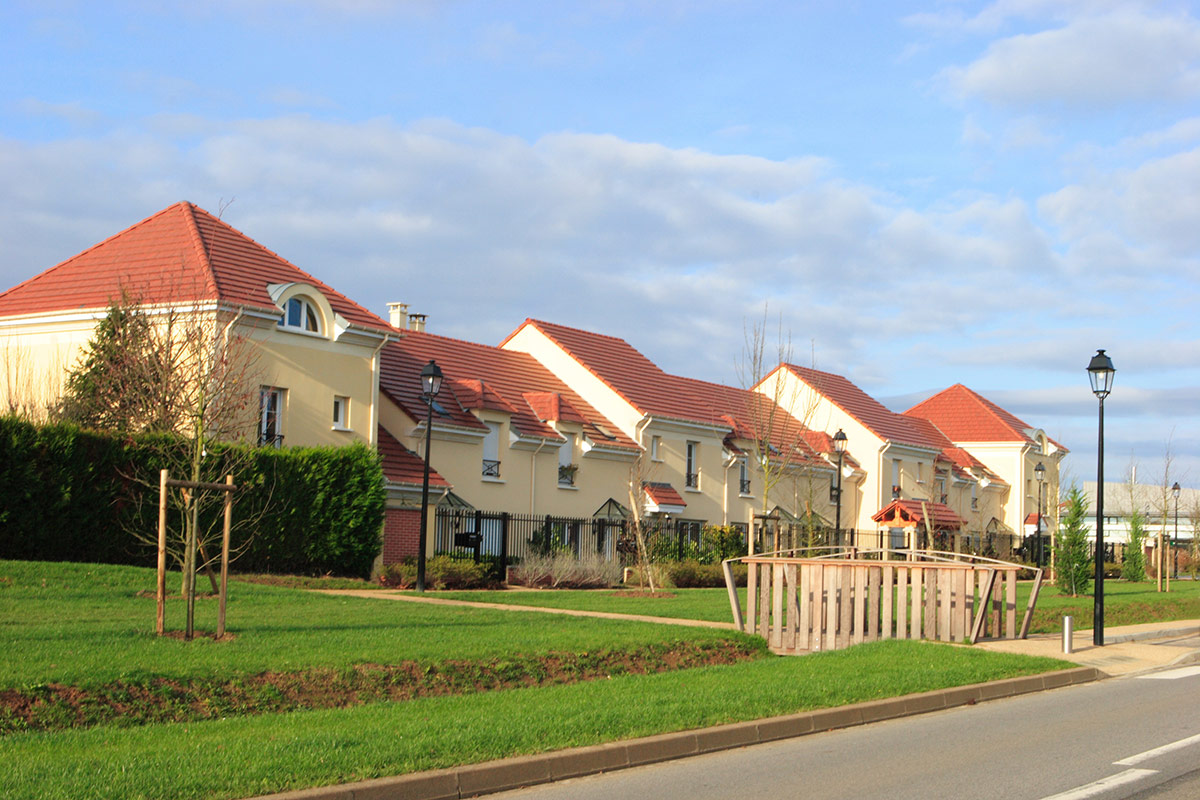
If you are searching for your future home, the question has certainly crossed your mind: will you exclude terraced houses from your search, or include them? The answer is not so obvious, and while everyone tends to prefer a detached house, budgetary or thermal reasons, for example, give the terraced house certain qualities that should not be overlooked.
To clarify your analysis, here are the elements to consider to determine whether, for you, buying a terraced house is really a good idea.
The Detached House: Why Prefer It?
Let us start by specifying the main reason that pushes many buyers to require an individual character for the house they intend to buy: privacy. Indeed, depending on the size of the land around the house, neighbours can sometimes be several hundred metres from the dwelling. To this essential can be added greater architectural freedom for the design or renovation of the house, and generally a larger garden.
But these advantages can be offset by many arguments that make a detached house a rather burdensome property, while simultaneously giving as many advantages to the terraced house, which we will have the opportunity to detail further. Thus, a detached house, in general:
- Is easier to burgle due to the absence of nearby neighbours,
- Is more difficult to heat,
- May reduce social ties maintained with the neighbourhood,
- Is more expensive to buy and maintain.
What Is a “Terraced House”?
The Civil Code defines, in Article 653, party walls in such a way that “any wall serving as a separation between buildings […] between courtyards and gardens, and even between enclosures in the fields, is presumed to be a party wall.” We therefore speak of party wall status as soon as two neighbouring properties share a common wall.
It frequently happens that terraced houses, in addition to sharing a wall, are designed on the same plans and have the same design, one being the mirror of the other. The foundations may also be shared. All these elements lead, like those of the detached house, to certain disadvantages.
Disadvantages of the Terraced House
It should be noted that each house has its own architecture and context. The most frequently cited disadvantages may be found in some houses and not in others.
Noise
In the case of a shared slab, floor impacts may tend to resonate from one dwelling to another. Also, if the party wall is not sufficiently insulated, sounds can pass through and cause disturbance. Finally, the proximity of gardens, where they exist, limits outdoor privacy.
Security
From a technical standpoint, it is desirable that both properties are maintained in the best possible way so as not to harm the other, in the structural work. In an extreme case recently encountered in several major cities, the collapse of one house can bring down the neighbouring house. Fire safety is also to be monitored because obviously, a disaster may potentially affect both houses. It is always useful to ensure that your neighbour has properly equipped their home with detectors and other alarm systems.
Loss of Privacy
Beyond the perceptible noise, living right next to one’s neighbours is a choice to be made consciously and may not suit everyone. The neighbourhood is inevitably omnipresent and even if relations are cordial or even friendly, this proximity may oppress some people.
Advantages Not to Be Overlooked
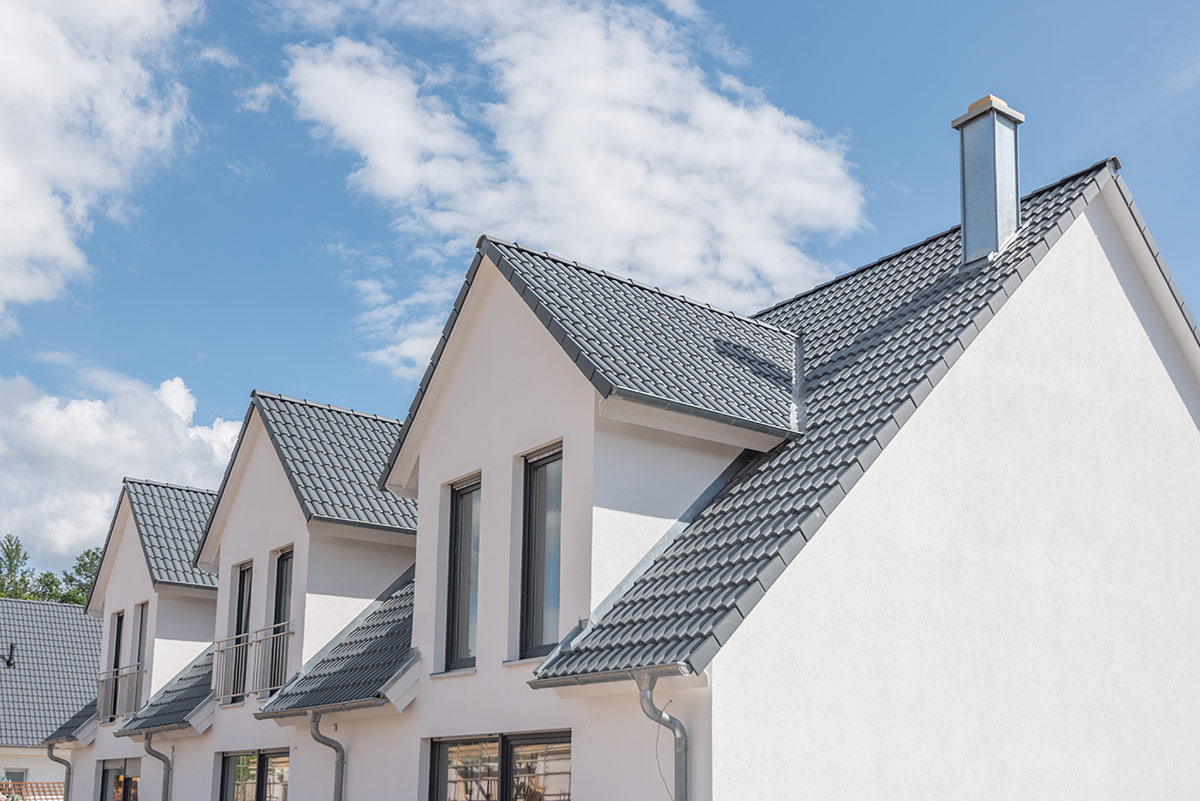
When they are well designed, some disadvantages of terraced houses can disappear or even, be added to the list of qualities you may find in them.
Enhanced Security
Several aspects give the terraced house enhanced security, provided that goodwill is the basis for neighbourly relations. We mentioned the condition of houses or the risk of fire, on which even more people can keep watch and give the alert if necessary. Also, the risk of burglary is reduced by the proximity of people likely to catch malicious acts.
A Richer Neighbourhood Life
For those eager for social connection, the terraced house encourages meeting neighbours and therefore, multiplies the opportunities for interaction. This can be an opportunity to do each other favours or exchange news more easily.
Reduced Maintenance
By sharing some walls and part of the roof with the neighbouring house, the burden and costs of exterior maintenance are mechanically reduced.
Potentially Lower Purchase Cost
For equal surface area and location, terraced houses are often cheaper to buy than detached houses, and this from their construction stage as the costs of construction and land are shared between neighbouring owners.
Lower Energy Expenditure
Finally, the terraced house, by benefiting from the protection of neighbouring houses and their heating system, makes it possible to reduce energy needs and therefore, the related bills.
Party wall status, ultimately, is a choice to be made consciously and on a case-by-case basis, with the essential hindsight on all the points mentioned. If applicable, it is all the more useful to try to get to know the neighbours during the first visits, in order to avoid acquiring a property near people who would not have the same lifestyle: neighbourly disputes are frequent and can mar the happiness of a move.