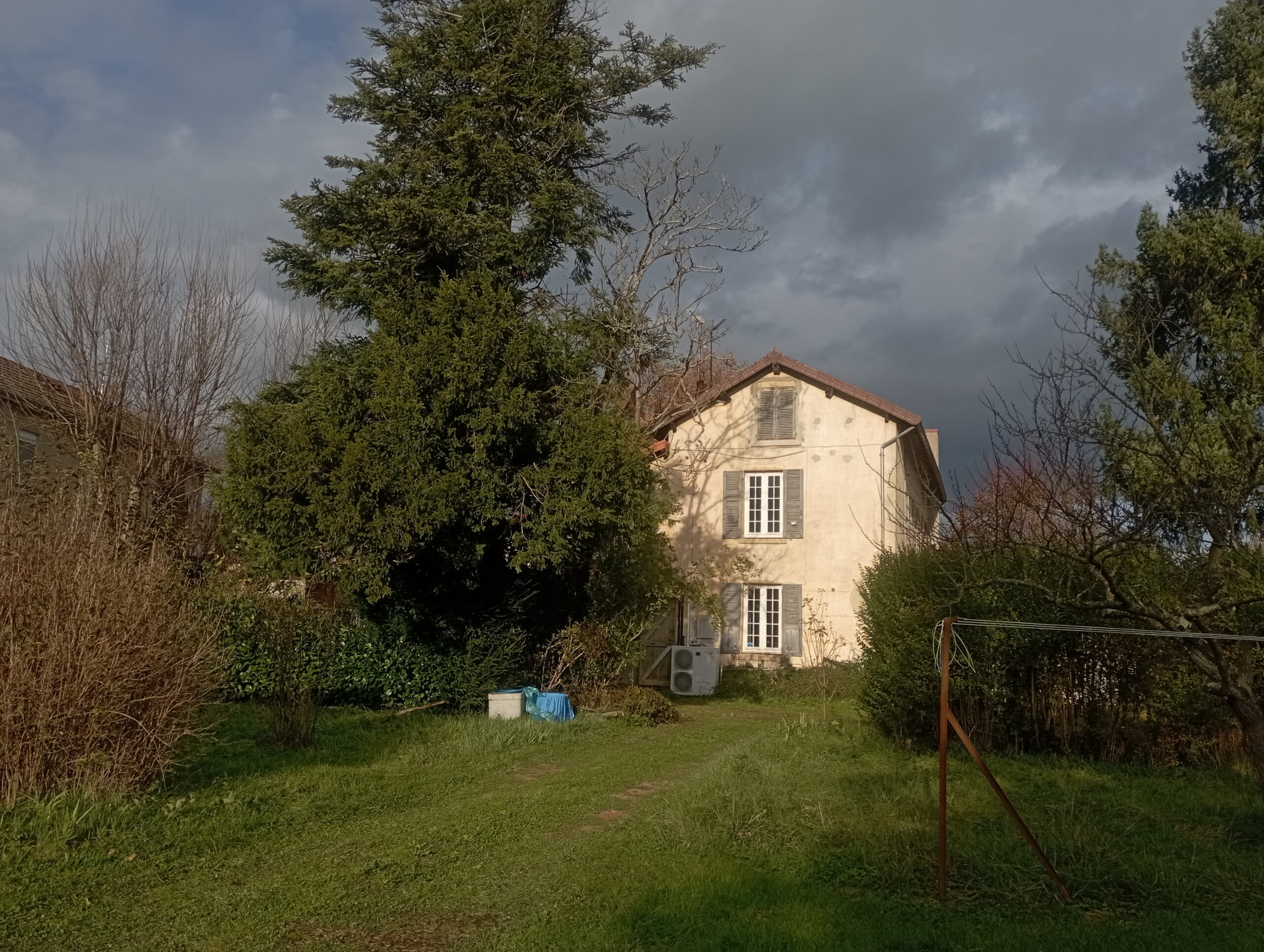
Tips for making the most of your second home
France has the highest number of second homes in Europe. Despite falling prices, maintenance costs for a second home amount to between 4 and 5% of its purchase value. Here are some tips to help you rent out more effectively and reduce these costs.

France has the highest number of second homes in Europe. Despite falling prices, maintenance costs for a second home amount to between 4 and 5% of its purchase value. Here are some tips to help you rent out more effectively and reduce these costs.
Higher charges
Charges relating to second homes are higher than those for a primary residence. In terms of council tax, they do not benefit from the exemptions that may apply to a main residence and, in some cases, are subject to a surcharge. The insurance premium is also relatively high due to the increased burglary risk, particularly when the property is unoccupied. There are also charges specific to the property’s location. Properties on the seafront are more expensive to buy but also in terms of maintenance; corrosion affects the facades and therefore requires more frequent and costly work.
Taxation
To reduce these costs, one of the most profitable solutions is to rent the second home by the week during the summer periods. This solution is indeed very popular with tourists as it is more economical than a hotel stay and more comfortable than camping.
Seasonal rentals fall under the category of Commercial and Industrial Profits (BIC). When the income received does not exceed €32,900, the taxpayer falls under the micro-BIC regime and benefits from a flat-rate deduction of 50% for charges on rental income. If the rental is classified as “Gites de France” or “tourist furnished accommodation”, the taxpayer will benefit from a 71% deduction.
However, if the charges are higher than the deduction amount, it will be necessary to abandon the micro-BIC regime in favour of the actual regime. This will allow the full amount of works or mortgage interest to be deducted. Note that the deductible amount is calculated pro rata based on the rental period. For example, if the property is rented for 5 weeks in the year, 10% of the charges can be deducted.
The financial advantage also depends on the date the property was purchased and the significance of the charges for common areas (green spaces, swimming pool, tennis court, lift, etc.). Indeed, the yield is low for a property purchased recently at a high price with a mortgage to repay. In this case, the seasonal rental only covers a few monthly payments. Conversely, if the property is paid off and amortised, the rental income goes directly to the owner. Because of taxation, this will only cover the charges or works.
In addition, management fees may apply if the owner uses the services of a professional to manage the rental of their property.
Concrete actions
One of the best solutions to make the most of a second home purchase is to rent it when it is unoccupied. This allows the charges to be amortised or even profits to be made. It is possible to rent via a website specialising in holiday rentals between individuals, to use an estate agent who will receive between 18 and 20% of the rentals to manage the lettings (inventory of fixtures, maintenance), or to rent the property yourself, even if it requires time and a lot of personal involvement. If you own an exceptional property, you can also rent it out for film shoots or photo sessions.
To rent out a second home more effectively, it is essential to take care of the property’s presentation and highlight its strengths: a location near beaches or ski slopes, a pleasant view, a terrace or swimming pool are advantages to consider that will tip the balance in favour of the competition. It is necessary to provide as many facilities as possible (household appliances, WIFI, furniture, quality of bedding…).
To make the most of this property, it is better to rent during the peak periods, i.e. when demand is highest: in winter in ski resorts, in winter and summer in mid-altitude mountain areas, in spring and autumn in the countryside, and in summer in coastal resorts. The period when the advert is posted is equally important: customers tend to book in January-February for rare houses and properties, and in April-May for other types of rentals. To benefit from even more credibility, owners of rental properties can have them classified with a star system (costing between €100 and €250). This reassures tourists and offers tax advantages for owners. Finally, it is important to set the rent carefully based on the services the rental offers: a nice view, the number of beds, modernity, a terrace, a parking space… Caution! Setting prices too high will not interest tourists who are always looking to make savings; and prices that are too attractive will put them off for fear of bad surprises.