How to get your property listed as a historic monument
You inhabit a castle, a former townhouse, a manor, a former palace... These exceptional properties distinguish themselves from others by their age, their architectural style, their history, and above all can all be listed as historic monuments. This distinction, not only prestigious, allows for advantageous taxation and grants from public authorities in the event of significant restoration work on the site. These advantages are not to be taken lightly, but one must not be discouraged by the numerous administrative steps involved in such an application.
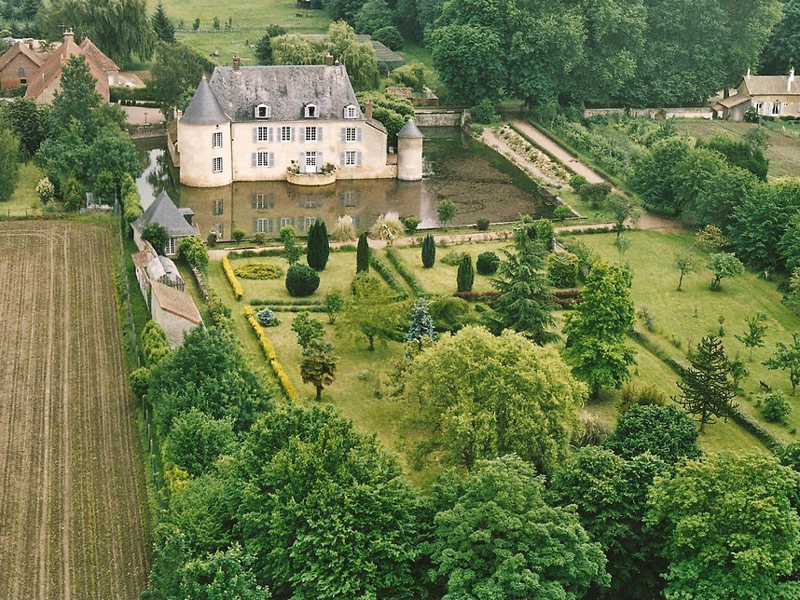
You inhabit a castle, a former townhouse, a manor, a former palace… These exceptional properties distinguish themselves from others by their age, their architectural style, their history, and above all can all be listed as historic monuments.
This distinction, not only prestigious, allows for advantageous taxation and grants from public authorities in the event of significant restoration work on the site. These advantages are not to be taken lightly, but one must not be discouraged by the numerous administrative steps involved in such an application.
Here are the steps to follow:
1) Reporting your residence
The owner must first contact the DRAC (Direction Régionale des Affairs Culturelles – Regional Cultural Affairs Department) to create the file. This comprises documents such as articles about the property, and photographs of the property to be protected.
After the application, the property will be visited by DRAC agents and architects, who will complete the file. It is then sent for opinion to several individuals: the chief architect of historic monuments, the architect of French buildings, the regional conservator of historic monuments, and the regional conservator of the inventory. They may also visit the property.
2) Consideration by the committee
The DRAC, according to defined criteria and through the regional prefect, accepts or refuses the file. This involves answering yes or no to the question: does the property present, on historical or artistic grounds, “sufficient interest to make its preservation desirable”? The file may also be sent directly to the Ministry of Culture, which will itself make the decision.
3) Validation or rejection of the file
If the file is validated, it is published in the Official Journal.
Depending on the files and applications received, the property may either be listed as a historic monument or benefit from the supplementary inventory of historic monuments (ISMH).
If it is listing as a historic monument, after validation by the DRAC, the file returns to the National Commission for Historic Monuments, which, after consultation with the Regional Commission for Heritage and Sites, will grant or refuse this status. If they cannot reach agreement, the Council of State will have to decide.
If it is to benefit from the supplementary inventory of historic monuments, the assessment stops at regional level, namely that of the DRAC.
The only thing that distinguishes these two statuses is the possibility or otherwise of carrying out works on the property.
If the property is protected, owners must obtain authorisation from public authorities to carry out works there. It “may not be destroyed or moved, even in part, nor be the subject of any restoration, repair or modification work whatsoever, without authorisation from the administrative authority.”
The state services must also be informed in the event of sale of the property.
If the property is listed on the supplementary inventory of historic monuments, the owner is under the “obligation not to carry out any modification to the building or part of the building listed without having, four months beforehand, informed the regional prefect of their intention and indicated the works they propose to carry out.”
The regional prefect may only oppose these works by initiating a listing procedure under historic monuments. They also grant major works requiring planning permission, permission to develop or demolish.
Are you obliged to list your property or can you refuse to register it?
The owner’s authorisation is not obligatory when it comes to registering a property on the supplementary inventory of historic monuments. But if it is listing as a historic monument, nothing can be done without the owner’s agreement.
If the owner refuses, the Ministry of Culture may decide to list the property directly, for one year. During this time, the administration may carry out the necessary steps to return to a normal procedure.