Moving to the countryside, truly a good idea?
Many French people have developed a desire to live in the countryside. But is leaving city centres a winning bet?
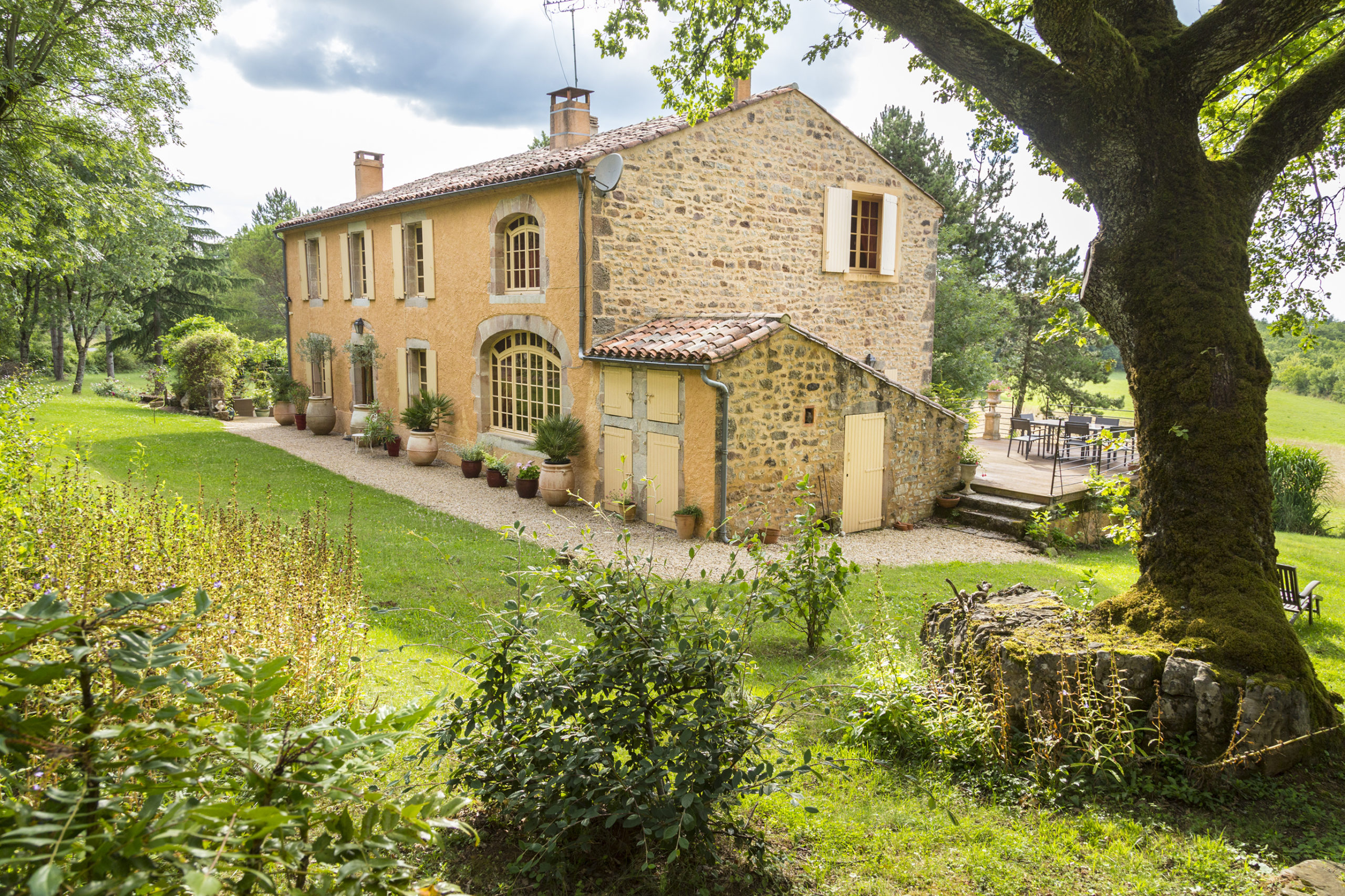
The subject was extensively reported on in 2020 by the specialist press, from the first lockdown onwards: many French residents of major cities developed a desire to get back to nature. Demand from estate agents for countryside properties soared, reflecting a need for air and space. A few months on and with another lockdown later, can we consider this option of leaving city centres to be a winning bet? Let us examine the pros and cons.
Undeniable advantages
The first positive point, a direct effect of moving away from major cities, is a notable fall in property prices. In a climate made tougher for obtaining mortgages, turning to more remote and cheaper housing can enable access to property when this proves impossible in the city.
Also, and the main motivation for city dwellers who spent the lockdowns in small accommodation with no outdoor space, the need for space makes getting back to nature appear as an eldorado to be achieved. A more spacious living environment, coupled with a more wooded environment allowing for some peaceful walks, could constitute from March onwards an objective to achieve before a new lockdown might strike. And rightly so, one might say today.
Migration to the countryside is finally in tune with the times, many people feeling the need to return to the essentials, to escape a too active and stressful life and to move closer to nature. Within this framework, the health crisis can be seen as a trigger leading to swift action linked to a latent need not yet expressed. The straw that breaks the camel’s back, in short.
A different way of life
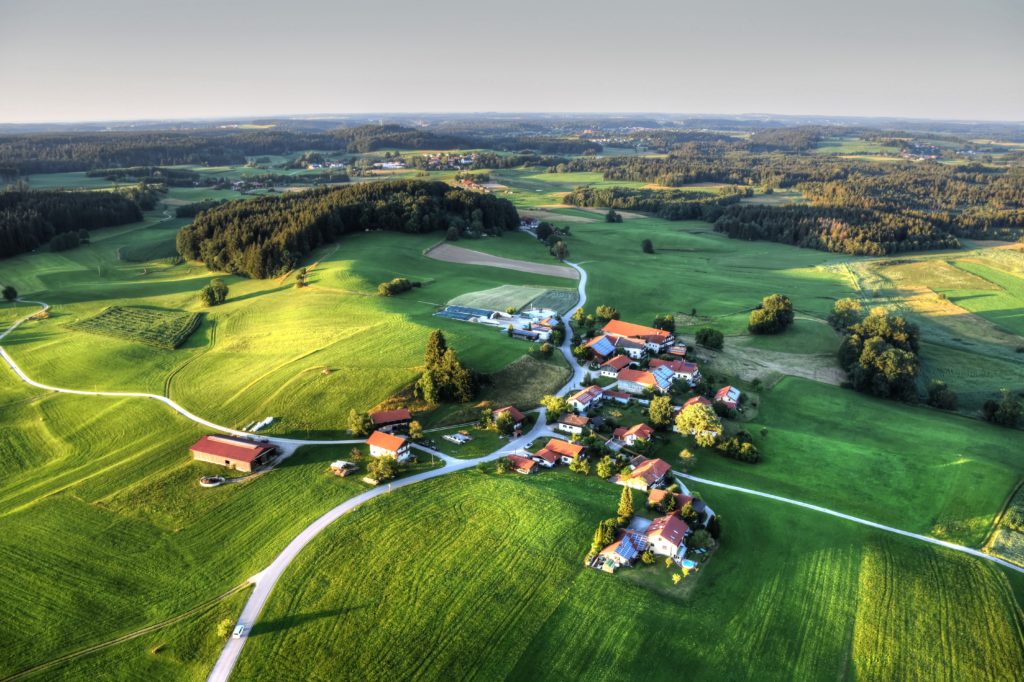
Every change brings its beneficial effects and drawbacks that must be accepted. While it is sometimes the sought-after effect, moving to the countryside also means moving away from what makes city life pleasant, and this is not straightforward for everyone. Cultural venues, places for festivities or various activities are not present throughout the national territory and may be missed by the exiled city dweller. Likewise, the possibility of using public transport to navigate easily from one place to another.
Furthermore, loved ones – family or friends – are generally located in part near one’s place of residence. Changing this results in social distance and a change in habits that should be weighed up before taking the plunge.
Finally, the question of access to work remains paramount, with the majority of major companies retaining their sites within major cities, where skills are simpler to find and transport infrastructure more developed. Some may argue for increased remote working, but there is no guarantee that this practice will continue on a full-time or even part-time basis once the coronavirus health crisis is behind us.
Adopting an intermediate strategy
Of course, the ideal would be to own two properties, one in the city and another more remote. Difficult to implement financially, this solution can nevertheless find a slightly less expensive alternative. With property prices being what they are in major cities, more and more savvy people are opting for the purchase of a second home – in the countryside, therefore – and renting out their primary residence.
Again, one must have certain means to afford maintaining two properties. If this is not the case and the desire for greenery nags at you, it will simply be a matter of choosing well the locality that will become your new ‘home, sweet home’. Several criteria are worth bearing in mind: the intensity of local life, because after all, medium-sized towns or even small countryside villages can offer daily dynamism and a significant number of shops.
Also, the immediate proximity of a public transport mode allowing access to your former metropolis in record time can enable you to keep your job even in person and (perhaps) avoid the traffic jams you used to face each morning. To take the example of the capital, many towns of a more human scale are accessible in 30 or 40 minutes via rail transport. This allows you to keep certain outing and leisure habits while sometimes extending the travel time only slightly to get there.
Let us add that, in order to avoid regretting an isolating choice, it can prove pertinent to choose a place where family or friends are already present. Arriving in a completely neutral place can make the adaptation period difficult.
Regarding this enthusiasm for the countryside observed in 2020 and entirely understandable given the lockdowns sometimes experienced in cramped accommodation, the future will tell us whether the observed conclusion is a general regret giving rise to a new rural exodus. In the meantime, numerous property transactions are bringing projects for families and a dynamism in the property market that no one will complain about!