Menton also rhymes with lemon!
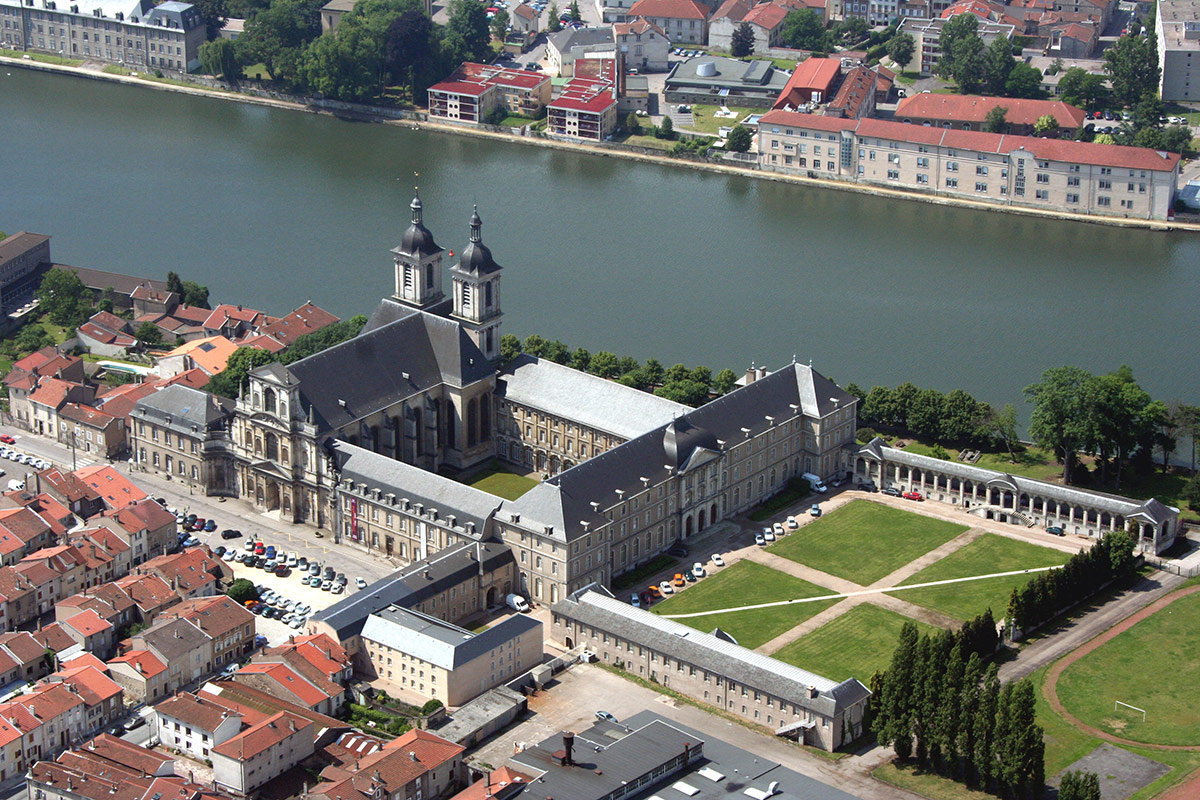
This border town, very rich in history, was the subject of much coveting throughout the centuries. For a long time Monégasque and then for a period Italian, the seaside resort now bears the gentle nickname of 'Pearl of France'.
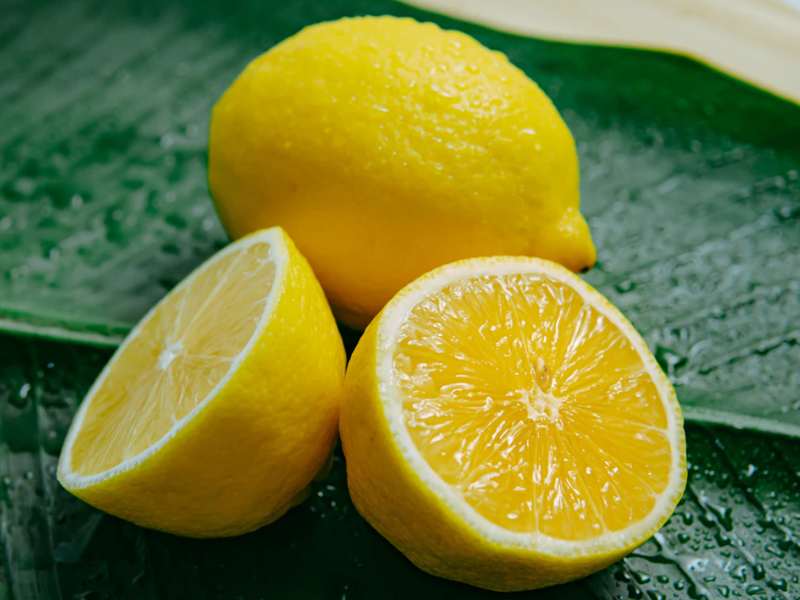
This border town, very rich in history, was the subject of much coveting throughout the centuries. For a long time Monégasque and then for a period Italian, the seaside resort now bears the gentle nickname of “Pearl of France”. A breathtaking seafront, an old port, an imposing basilica but that’s not all. Menton also becomes the centre of the citrus world once a year, on the day of the lemon festival. When the sweetness of the climate rhymes with the bitterness of the fruit, that is precisely the case in Menton.
The origins of the lemon festival
The lemon festival is not young, it dates from 1934 but the cultivation of this fine citrus fruit has always been associated with the town. It is indeed one of the reasons why the town had seceded from the Principality of Monaco in the 19th century. Indeed, Monaco taxed the export of lemon, a real windfall for Menton, a golden fruit so to speak. But the origins date from well before; indeed, the idea of local hoteliers decorating their gardens with citrus dates from the end of the 18th century. The resort was popular at this time of year particularly among the English nobility. The transition to decorating floats with lemons and oranges for the carnival was therefore a logical continuation.
The figures for the lemon festival
The objective is tourist-focused of course. This seaside resort is very popular all year round, so the festival gives a boost to the winter season. It also marks the arrival of spring with its corsos, street performances very popular with visitors. In this regard, the town’s population doubles during the lemon festival; indeed, nearly 30,000 tourists arrive on the Sunday of the celebrations. Overall, the figures are even more staggering, with nearly 230,000 visitors counted. The 300 professionals who rack their brains over the citrus for the festivities are delighted, especially as they must prepare approximately 145 tonnes of citrus fruit.