Stay in Corsica: 10 Must-See Steps!
Discovering Corsica is a true adventure, both visual, cultural and gustatory. It also offers the possibility of multiple activities related to its natural riches, from a simple walk to the GR20, a trail renowned for its difficulty. Not forgetting the water sports, available in various locations offering equally idyllic settings.
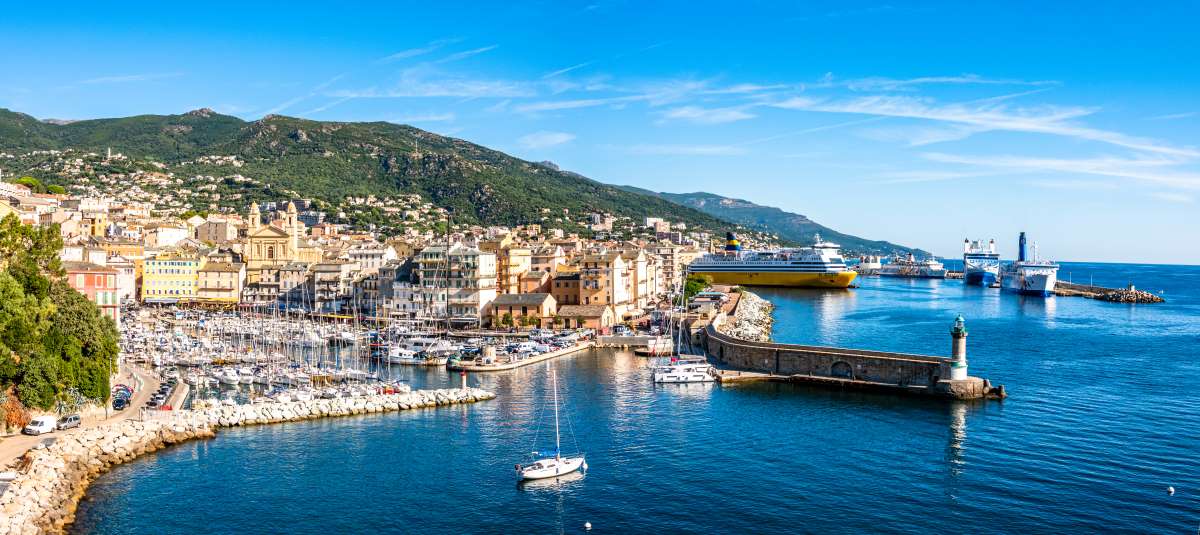
Discovering Corsica is a true adventure, both visual, cultural and gustatory. It also offers the possibility of multiple activities related to its natural riches, from a simple walk to the GR20, a trail renowned for its difficulty. Not forgetting the water sports, available in various locations offering equally idyllic settings.
When preparing your stay, you will need to decide which places you will visit, according to your preferences and among an impressive range of possibilities. To help you, here is a non-exhaustive list of must-sees, given that the island of beauty lives up to its name. Let us begin the journey with our 10 selected steps; we leave you to discover the rest!
#1 Ajaccio
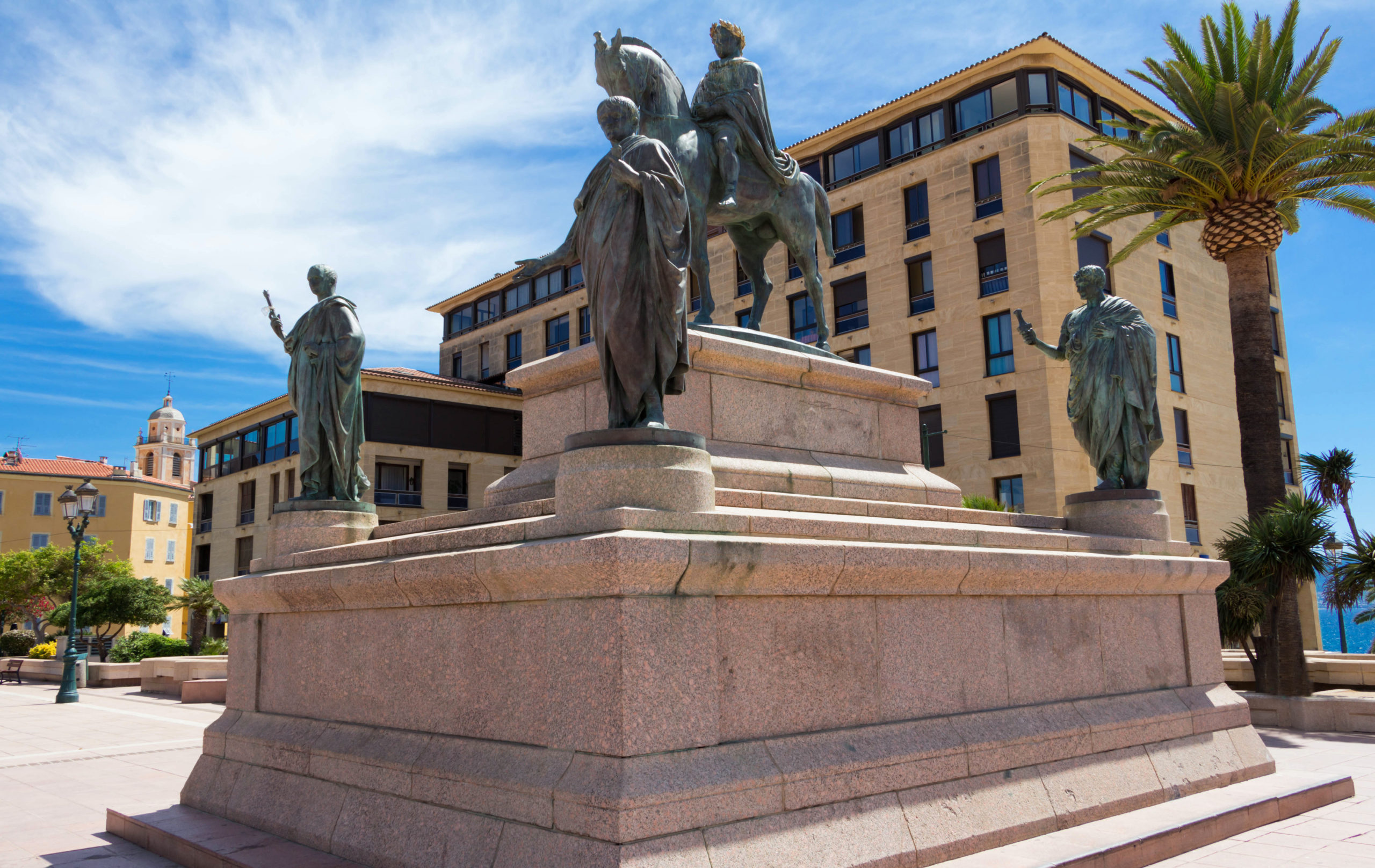
An almost obligatory passage, the capital of Corsica already promises fine discoveries, such as the birthplace of Napoleon Bonaparte, one of the most dynamic markets and the magnificent Cathedral of Notre-Dame-de-l’Assomption dating from the 16th century. Place de Gaulle, a central landmark nicknamed the “Place du Diamant” and marking the boundary between the old town and the newer districts, allows you to navigate the side streets offering countless shops and restaurants.
Ajaccio is in Corsica: it seems superfluous to specify that you will also find lovely welcoming beaches there. For the more motivated, a detour to the west will give access to the Iles Sanguinaires, a protected natural site but popular with tourists for its extremely varied wildlife and flora.
#2 Porto-Vecchio
This coastal village delights every visitor, notably thanks to the walls of a 16th-century Genoese citadel adorning the old town. A bustling marina, Bronze Age ruins scattered throughout the surrounding hills complete the attraction of the place, which sees its population quintuple during the summer period. Nearby, do not miss the beaches of Palombaggia and its stretch of sand surrounded by pines, and Santa Giulia, whose waters recall those of a lagoon.
#3 The village of Ota
Surrounded by two mountain ranges, the village of Ota perhaps offers the most admirable panorama of Corsica. A wild and splendid setting, also impressive: Mount Capu d’Ota, which dominates the dwellings, takes on the appearance of a Sphinx ready to swallow the village. Bars and restaurants will allow for a contemplative pause, without forgetting to cast your eyes on the charming pink church and its tall square bell tower.
#4 Bonifacio
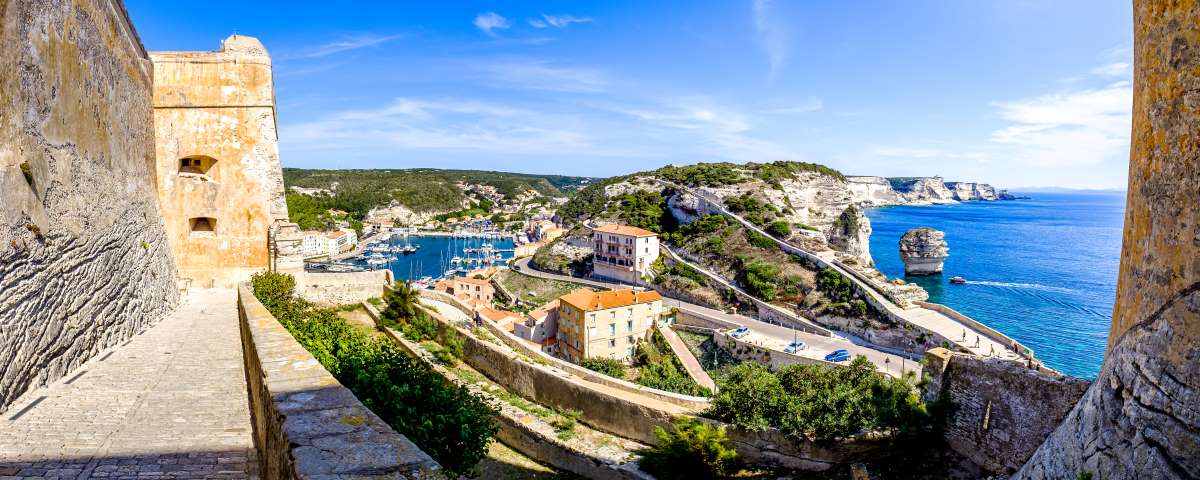
It would be a shame to leave Corsica without visiting Bonifacio. Despite the constant influx of tourists, this little paradise erected on the edge of magnificent cliffs retains an authentic simplicity that transports the traveller. A 9th-century citadel still guards the city, which Genoa and Pisa disputed for centuries, when it was not taken by a Turkish corsair! Beyond the old town and its narrow streets, do not miss the Roy d’Aragon staircase and its 187 steps, the sea cemetery which forms a small village of tombs facing the sea, or the bastion of the Etendard.
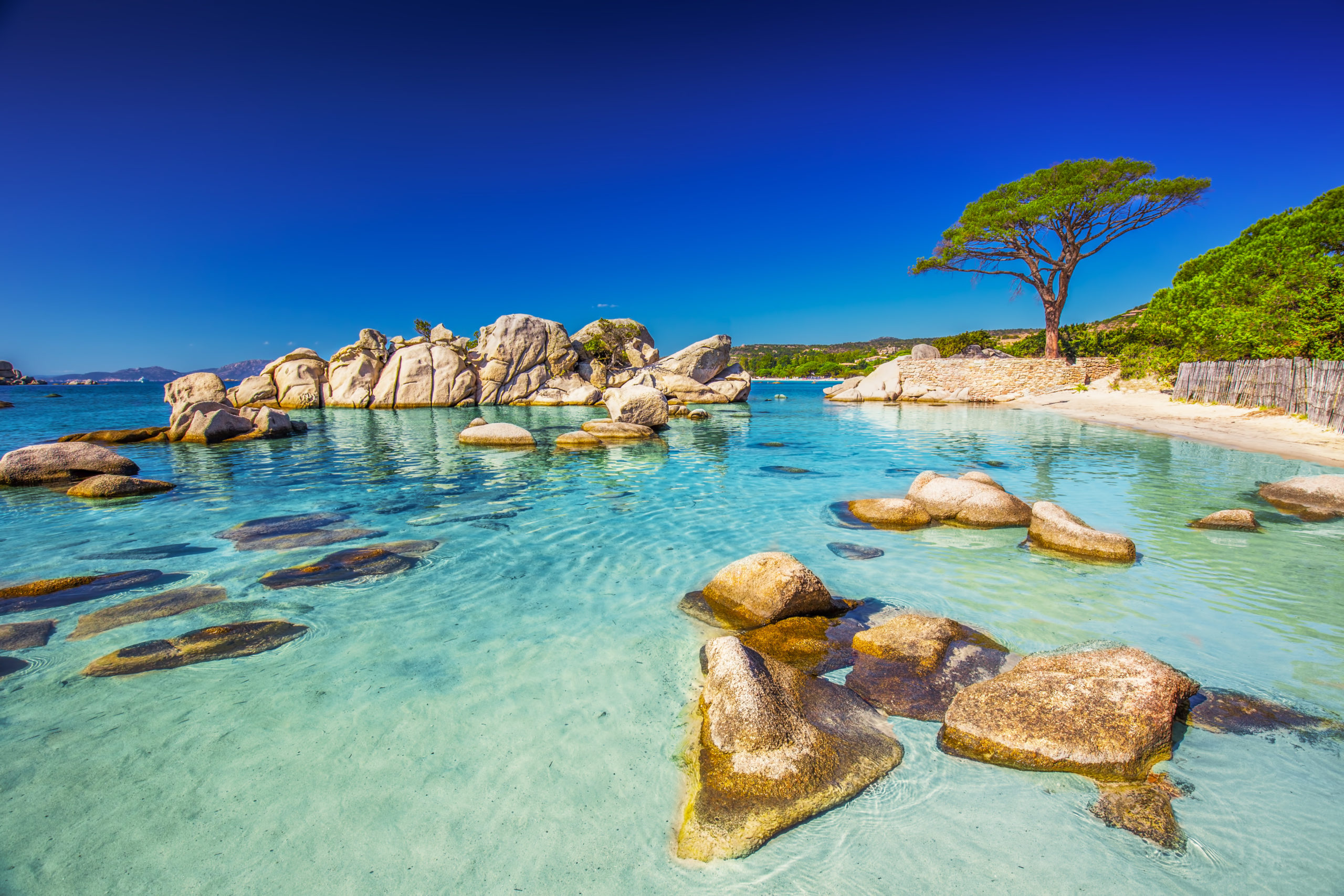
Famous pine tree on Palombaggia beach with azure clear water and sandy beach on the south part of Corsica, France
#5 The Iles Lavezzi
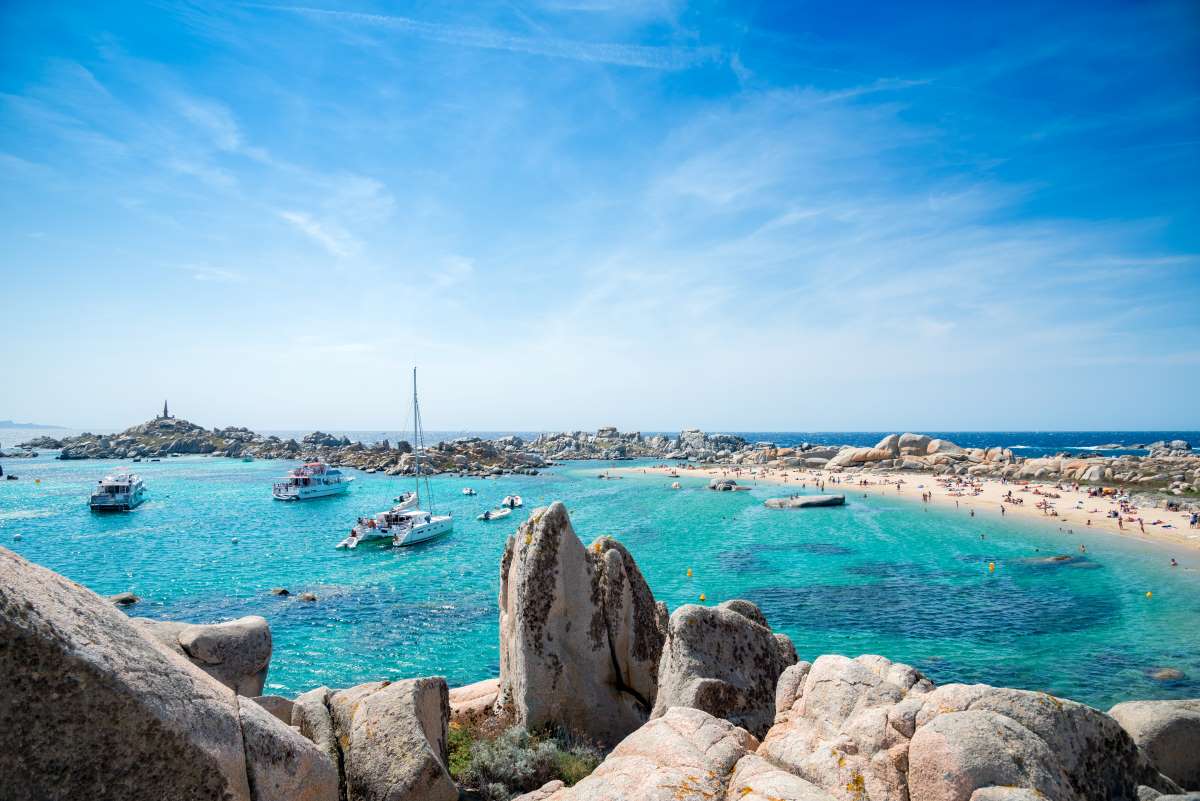
Facing Sardinia, the Iles Lavezzi are a nature reserve, and it shows: sublime coves, clear waters with changing colours, wild beaches… A group of 7 islands, the largest of which is named Lavezzu will offer you marked trails and beaches worthy of postcards. On an islet, you can discover a stele which, for the small story, was erected in memory of the 700 sailors who died in the sinking of the Sémillante, a tragedy described by Alphonse Daudet in Letters From My Mill.
Be sure, you will naturally be discreet so as not to disturb the tranquility of the place. A boat excursion will nevertheless be a good pretext to disembark on these islands for a picnic, a swim or a walk far from the rest of the world.
#6 The Scandola Nature Reserve
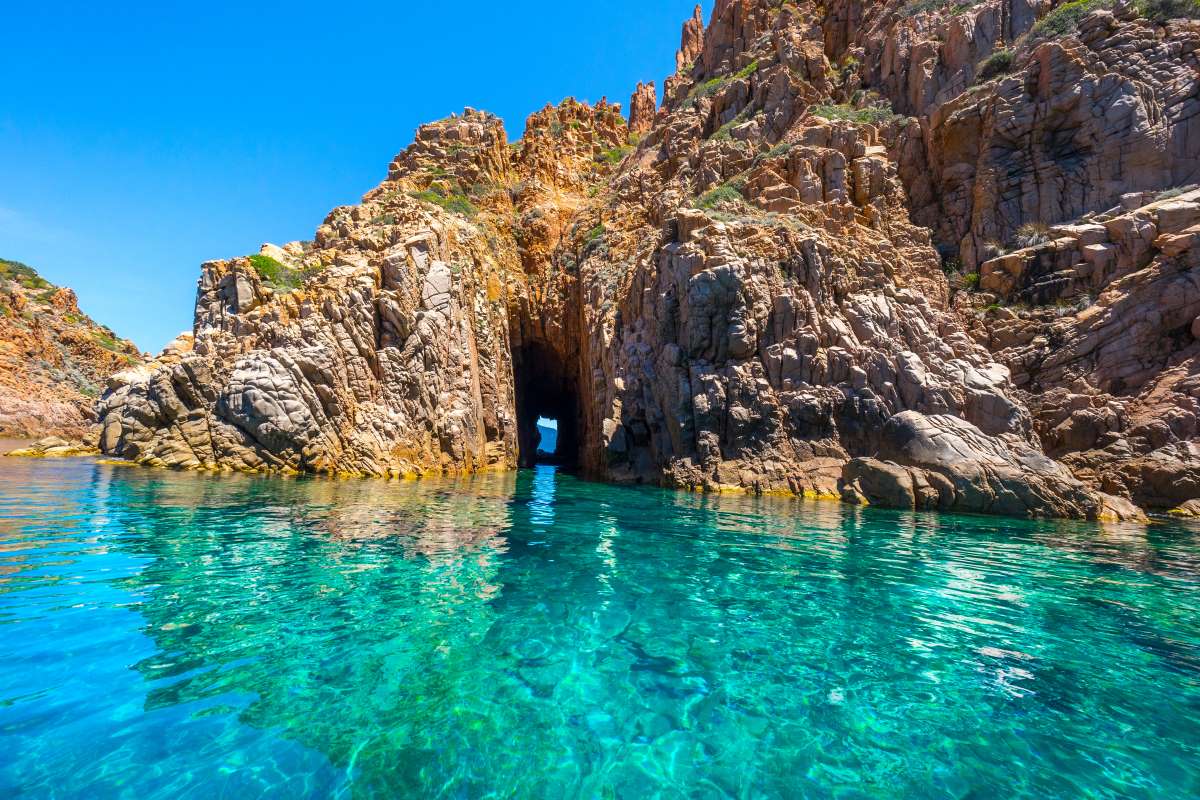
Continuing on the theme of biodiversity, this reserve offers a coastal ecosystem exclusively accessible by boat, and certain areas are totally preserved from tourism as anchoring is forbidden. The cliffs follow one another, interspersed with caves, for an absolutely unique spectacle interweaving colours.
The site has benefited from protection since 1975, firstly for its landscape interest, but also because it greatly contributes to the preservation of endemic Corsican species: 33 plant species, and numerous birds whose nests are protected by the inaccessible cliffs. inland, the reserve also preserves many protected species such as newts or turtles of the European pond turtle species.
#7 L’Ile Rousse
Surprisingly, L’Ile Rousse is not an island, but rather a coastal town in the north of Corsica. It is the island of La Pietra, in the coastal extension, which in reality inspired this name thanks to its red porphyry stones.
Founded by Pascal Paoli, nicknamed the “Father of Corsica” or “Babbù”, the town represents Corsican terroir. Amidst the dwellings with Florentine airs, you will admire Place Paoli and its Church of the Immaculate Conception containing historical works of art, set off on the Marinella promenade and discover the Bronze Sirene which has been watching the horizon since 2016, like its counterpart in Copenhagen.
#8 The Desert of the Agriates
The maquis is king in this desert made up of winding paths and steep trails. Its name comes from the term “ager”, meaning “agriculture” in Latin: the aridity of these lands is only illusory, the water being discreet but gushing from no fewer than 27 fountains and 32 springs.
The region was the wheat and olive granary of the Genoese colonisers from the end of the 13th century, and until the mid-20th century, lemons, figs and almonds were also produced there. The walker will today discover a landscape deserted by Man but not by nature. Hardly accessible, this desert allows many plant species to flourish, among which we can mention the myrtle, strawberry tree, heather, lentisk or the holm oak.
#9 The Sentier des Douaniers
To discover Corsica on foot and grasp the full richness of the landscape, nothing beats walking the Sentier des Douaniers. Through a hike of approximately three hours from the place de Macinaggio, it reserves breathtaking panoramas, impressive cliffs, rich wildlife and ancient remains giving the whole a historical depth inviting meditation. On arrival at the village of Barcaggio, you will no longer be the same! An early morning departure will ensure the calm conducive to discovery and observation of wildlife.
#10 The Aiguilles de Bavella
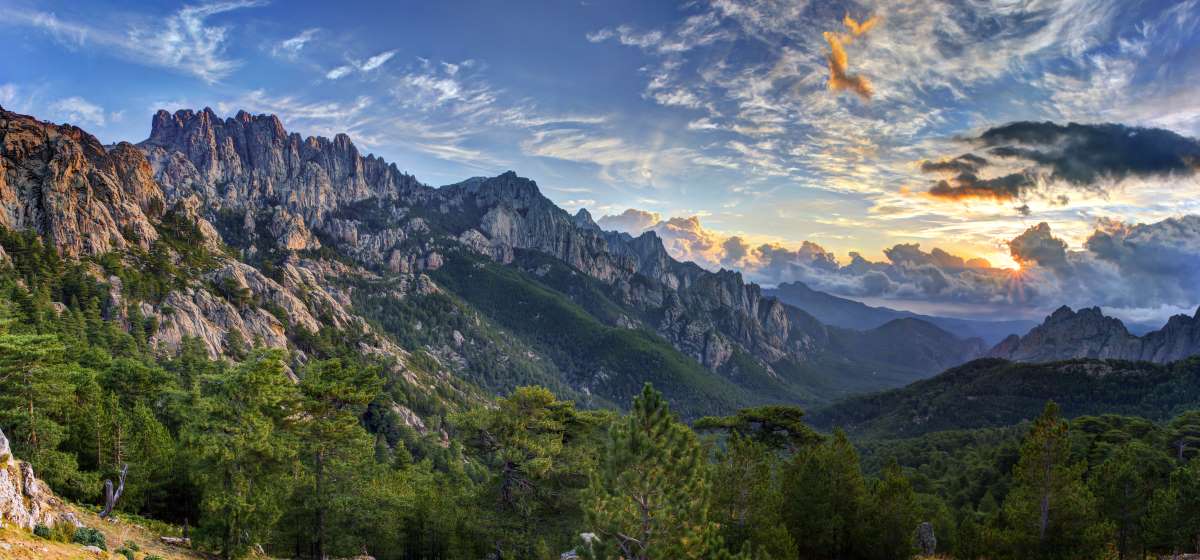
Connecting Alta Roca to the east coast, the Aiguilles de Bavella have an American West feel. The phantasmagoric silhouettes and their grey and red magmatic rock give them a mysterious, almost supernatural aspect.
Surrounded by the firs, cedars and chestnut trees of the forest of Bavella, they shelter a rich endemic fauna. The site, for the hiker, offers routes of varied difficulties: from a short stroll including a near-climb of steep rock faces. A natural beauty to see at least once in your life, although one could say the same of every spectacle offered by Corsica.
Many other charming places await you on the island, whether villages or unique natural formations. Do not hesitate during your next stay to also stop at Calvi, Saint-Florent or the small village of Nonza, clinging to the mountain and overlooking an old citadel. A wonder to renew and pass on to your children!