Parc Naturel Régional du Morvan: 10 wonders to discover 2 hours from Paris
Burgundy is a region that brims with tourist attractions: it certainly deserves a weekend or two to explore some of them. Beaune and its hospices, the numerous wine estates, the Jura and its cheeses, or the Morvan Natural Park will leave you speechless.
Burgundy is a region that brims with tourist attractions: it certainly deserves a weekend or two to explore some of them. Beaune and its hospices, the numerous wine estates, the Jura and its cheeses, or the Morvan Natural Park will leave you speechless. Let us set off to discover this latter place, which offers surprising, unmissable natural, historical and architectural riches. Our selection of 10 stages will allow you to explore a substantial part of it.
#1 The basilicas of Vézelay and Saint-Andoche
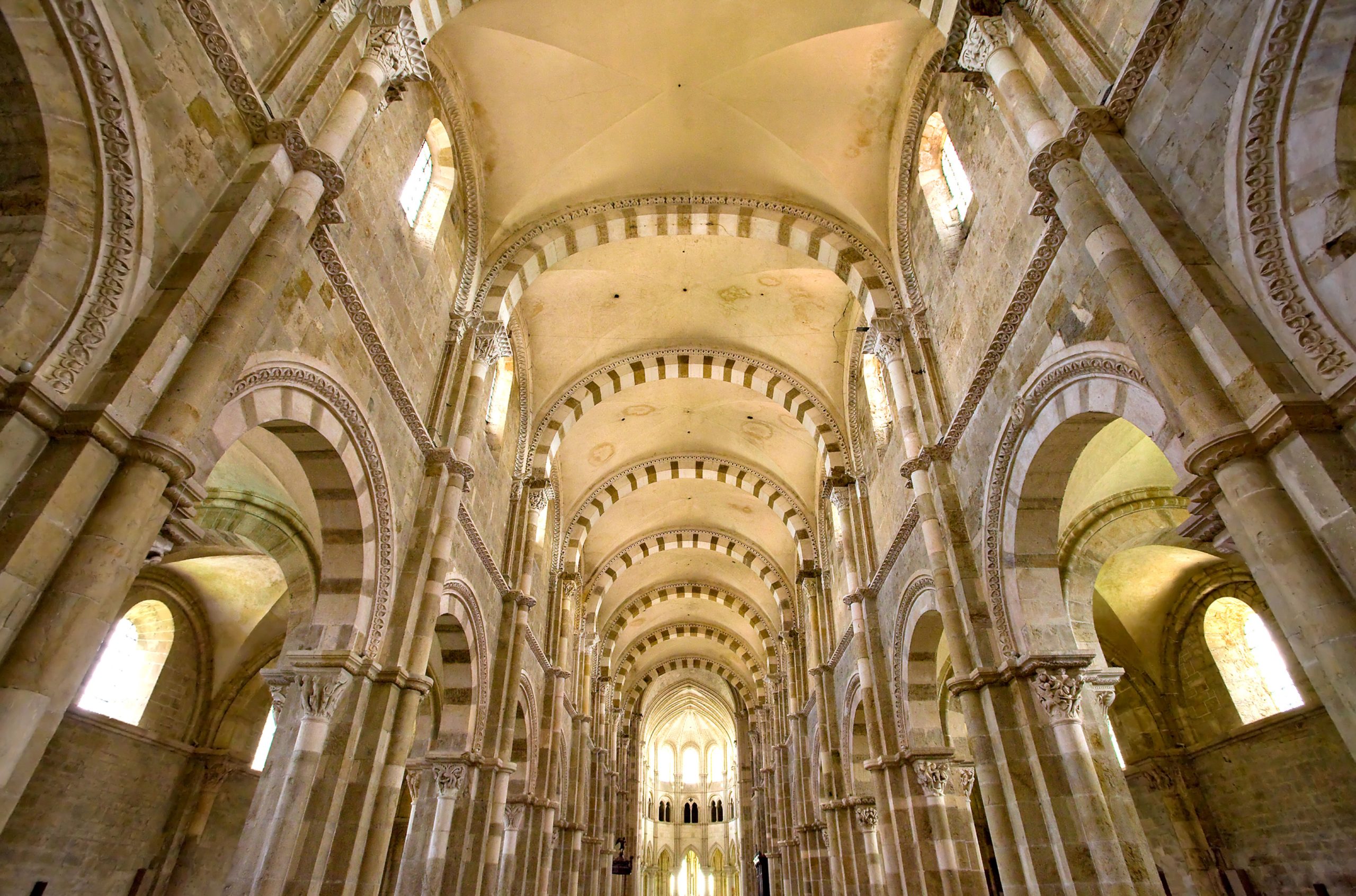
The first dates from the 12th century, and its construction according to the principles of Romanesque art would have taken only some thirty years. The Basilica of Sainte-Marie-Madeleine in Vézelay was a major centre of Christianity throughout the Middle Ages, and a stage on the pilgrimage route of Santiago de Compostela.
As for the Basilica of Saint-Andoche, located in the commune of Saulieu, it was built in the 11th century and also constitutes a masterpiece of Romanesque art. It replaced the ruins of an 8th-century abbey that protected the relics of the martyrs Saint Andoche, Saint Thyrse and Saint Félix. A 17th-century organ and exceptional frescoes are curiosities that will complement the interest of its atypical architecture
#2 The Bibracte site
Bibracte was originally the capital of the Celtic people the Eduens, which experienced its peak development in the 1st century AD. Numerous remains of the past survive today, which led to its classification as a Historic Monument in 2007 and the awarding of the “Grand site de France” label.
The Museum of Celtic Civilisation found on site traces the life of this city of some 5 to 10 thousand inhabitants within a fortified oppidum. Ramparts, dwellings and places of worship are to be discovered and admired, particularly at this site as very few such developed remains of our Gallic ancestors survive in France.
#3 The lakes of the Morvan
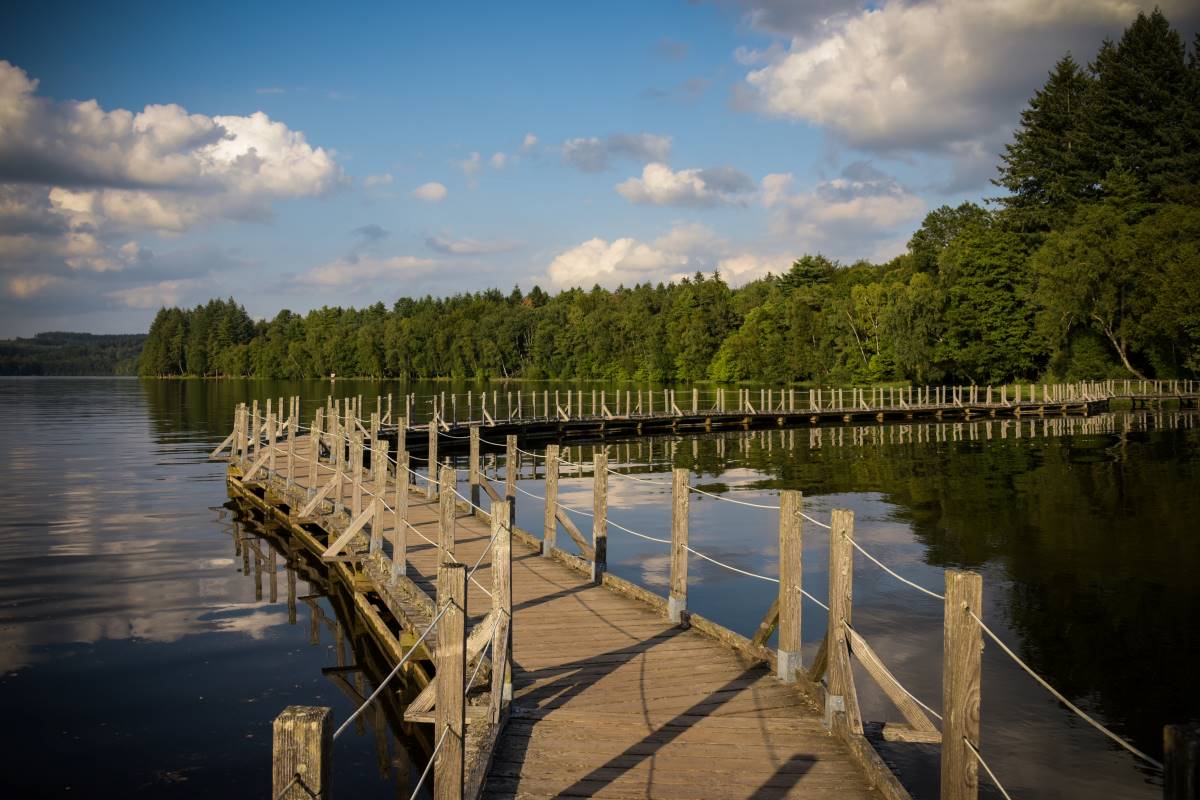
The region has a number of bodies of water that delight the eyes of walkers and give water sports enthusiasts the opportunity to enjoy the summer season. Among them, you will find Lake Settons, artificial and created by the construction of the Cure dam, which extends over 366 hectares at 500 metres altitude. Pedalos, sailing boats and canoes can complement the lovely walks, for a day of rest and fun.
Lake Chamboux, at the same altitude, is to be found at Saint-Martin-de-la-Mer. It has the particularity of being divided into three separate reservoirs, and numerous hiking trails allow it to be admired from every angle and to enjoy enchanting panoramas. A tip: if you can, visit these places in autumn!
#4 Bazoches Castle
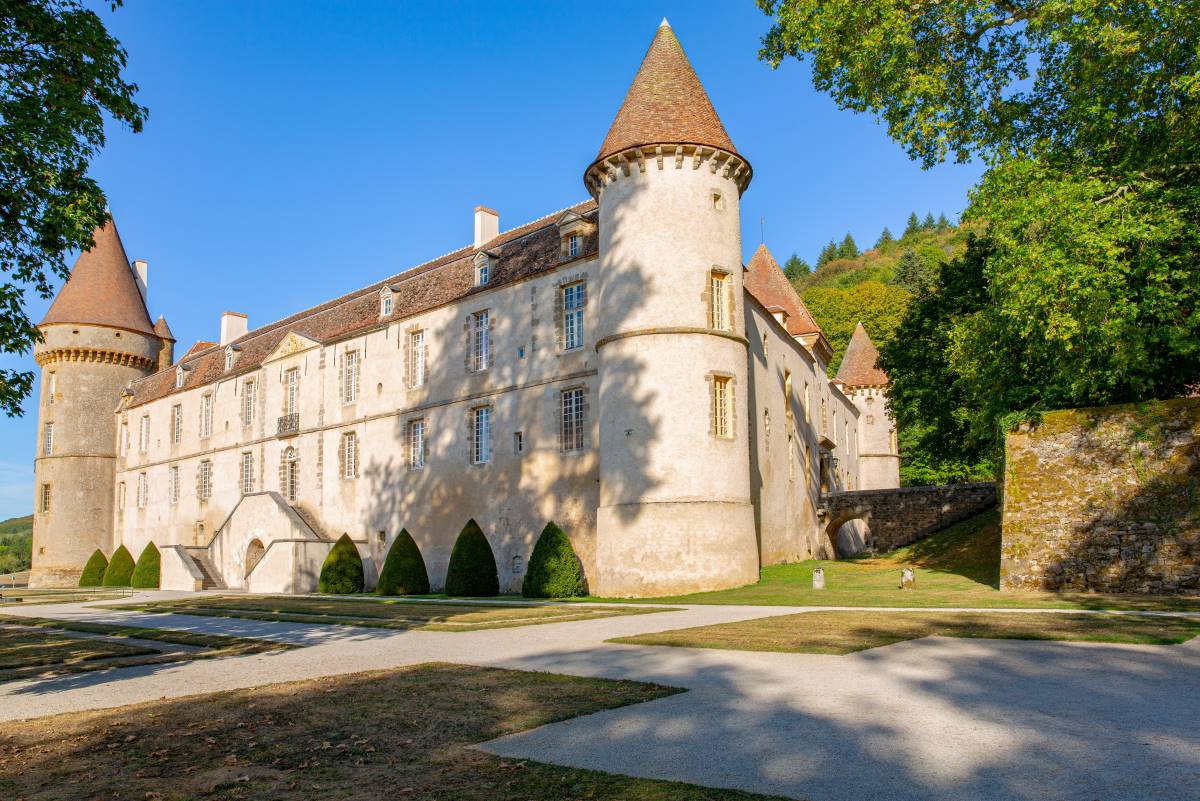
It overlooks the commune of the same name since the 12th century. Originally a simple medieval building constructed by Jean Bazoches on the ruins of a Roman post, it underwent multiple developments throughout its history. Acquired in the 17th century by the Marquis de Vauban thanks to the 80,000 livres received from Louis XIV after the victory of Maastricht, the architecture and interior layout then underwent astounding modernisation and embellishment.
Classified as a Historic Monument since 1994, the castle can boast of having belonged to Marshal Vauban – who would no doubt have been proud in turn to own such a wonder of French heritage. Round towers and a square keep attract visitors from afar, who have not yet reached the end of their surprises. Visit without moderation!
#5 The Narvau Gorge
Near Lormes, this is an essential natural site of the Morvan. A protected historic site, it was formed by the runoff of the Auxois into the granite of the region. Hiking trails with unusual landscapes will appeal to all walkers, and even the most sporty will find what they are looking for thanks to the climbing opportunities available in many places.
For everyone, we advise caution and equipping yourself with adequate gear, and in particular hiking shoes capable of allowing you to climb the sometimes steep slopes easily.
#6 Chastellux Castle
Between history and nature, the castle invites visitors to discover millenary secrets. Built in the 11th century on Roman ruins, it adopts the triangular shape of the rocky peak that supports it and has belonged – a rare occurrence in France – to the same family for over 1,000 years!
Medieval towers, Renaissance-style rooms and a Classicist structure: the castle has travelled through the centuries by constantly evolving and constitutes the centrepiece of the domain in which it stands, a park designed by none other than Le Nôtre, if you please!
#7 The Zervos Museum
Art enthusiasts will not miss the former manor house of the writer Romain Rolland in Vézelay, which houses this modern art museum. The critic Christian Zervos bequeathed numerous works to it upon his death in 1970, and you can admire paintings by Picasso, Gonzalès, Kandinsky and Ernst, among others.
Sculptures by Calder and Giacometti complement the interest of the site, as does the terrace open onto the Morvan and the medieval underground chambers.
#8 Thil Fortress
In Vic-sous-Thil, to the west of Dijon, the presence of a building is attested from the beginning of the 11th century. Thil Castle stands on the eponymous hill which, at 480 metres high, overlooks the valley and allows the foothills of the Morvan to be admired.
The remains and ruins are maintained by the current owners, whose castle has had Historic Monument classification since 1905. Fortifications and the keep will delight visitors, not to mention the two days of festive entertainment organised each year: the Medieval Festival of the Lords of Thil during which knights, artisans and troubadours give performances.
#9 Cardoland
To diversify the discovery possibilities of the Morvan, head to Cardoland. This prehistoric park invites you to discover the past, thanks to life-size reconstructions of 88 dinosaurs, decorated caves and various fossils.
A scripted and sound-assisted tour allows total immersion in this magical place which also offers dinosaur training simulation, a nursery of baby dinos, and captivating shows reminiscent of prehistoric circus. Unforgettable for both children and adults!
#10 The Museum of Resistance in the Morvan
We conclude our tour of the Morvan with a touch of more recent history, as the Morvan was indeed the scene of numerous events related to the Second World War. The Resistance played an essential role there and in 1944, it was the harassment of the maquisards that led the Germans to leave the region.
The museum installed at Saint-Brisson in 1983 on the initiative of historians from the University of Burgundy supported by former Resistance members, relates all of these facts. It allows a better understanding of the course of the War in this area, through three distinct rooms, dealing respectively with Occupation, Resistance and Liberation.
Many hidden treasures still await you in the Morvan, whose historical and cultural richness is matched only by the beauty of its landscapes. Proximity to France’s two largest cities easily allows one (or several) weekend breaks: do not deprive yourself!