Le Vaucluse in 10 Steps, for a Dream Provençal Stay!
There's no better way to feel on holiday than the chirping of cicadas! While they wonderfully accompany the evening aperitif, they do not however inform about all the wonders offered by this beautiful Provençal region. A look at 10 discoveries not to be missed in the Vaucluse, rich in ancient towns...
There’s no better way to feel on holiday than the chirping of cicadas! While they wonderfully accompany the evening aperitif, they do not however inform about all the wonders offered by this beautiful Provençal region. A look at 10 discoveries not to be missed in the Vaucluse, rich in ancient towns, unique landscapes and activities that could make your stay perfectly unforgettable.
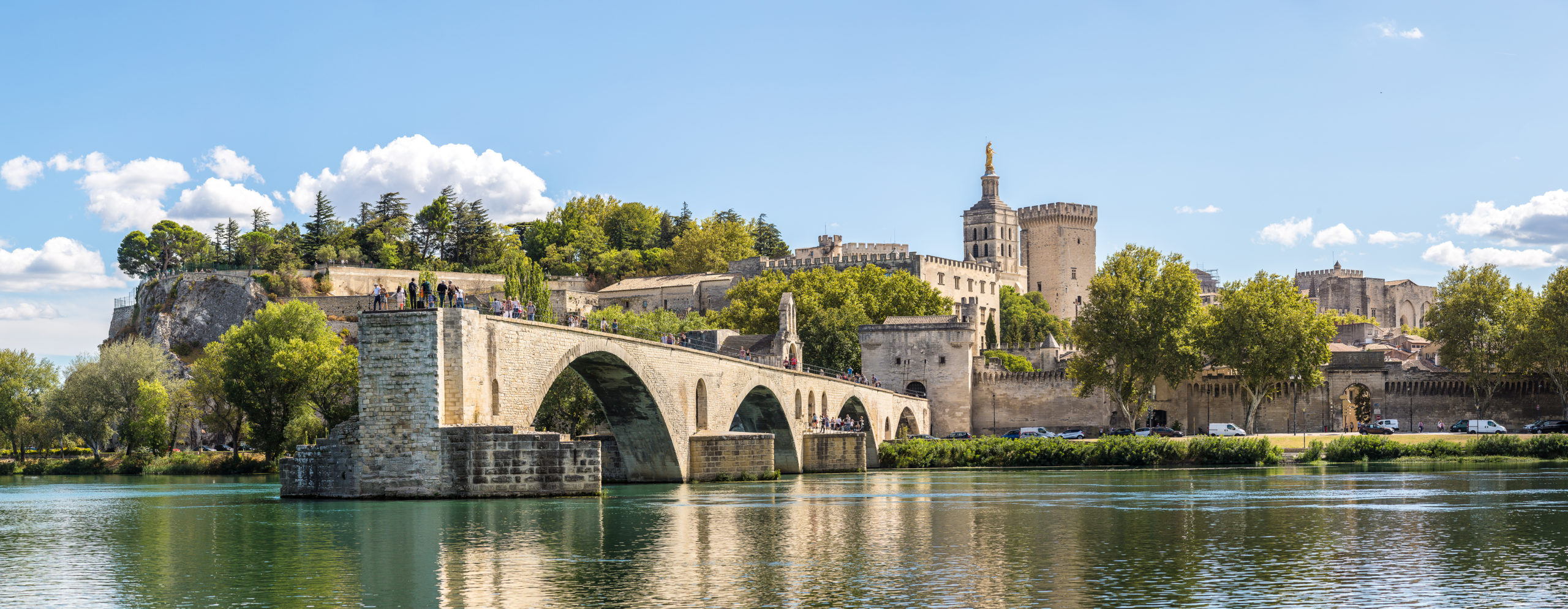
#1 On Avignon’s Bridge
Avignon contains so many treasures that several days would be needed to simply brush over all of them. First of all, the Pont Saint-Bénézet, which you probably know better as the Pont d’Avignon and which is unfortunately largely destroyed due to a lack of maintenance from the 17th century onwards. While it no longer met traffic regulations at the time, don’t miss admiring the four arches that still exist!
Continue with a visit to unmissable buildings: the Palais des Papes, the Notre-Dame-des Doms cathedral, the Petit Palais Museum, the Calvet Museum, or the Fort Saint-André.
Finally, if your stay takes place in July, you’ll have the pleasure of participating in the Avignon Festival, created by Jean Vilar in 1947 and which remains to this day one of the most important international contemporary performing arts events.
#2 The Beautiful Orange
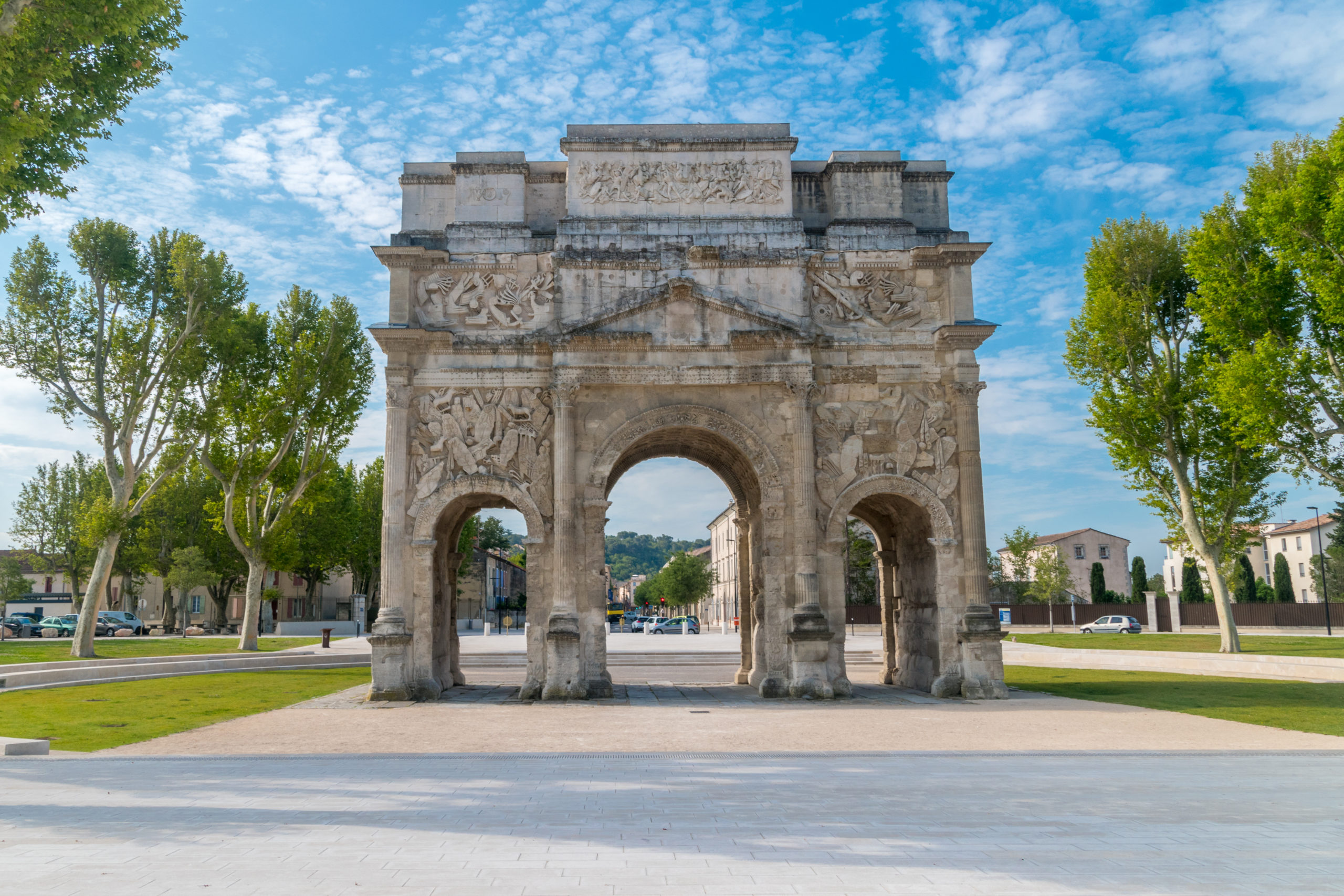
Let’s continue our escapade in the Vaucluse with the pretty town of Orange, nicknamed the “City of Princes” and boasting essential historical heritage. Beginning with its fabulous Roman theatre dating from the first century of our era, where you can still attend concerts and other performances today. From the same era, the Arc de Triomphe located a little further north benefits, just like the Roman theatre, from UNESCO protection.
Many majestic buildings can also be admired, remnants of the Middle Ages and the Renaissance, when the town was the capital of the principality of Orange, governed by the Nassau dynasty whose descendants still reign over the Netherlands to this day.
Of course, you’ll also find in Orange all that makes Provençal towns charming: the market, local specialities, good wines and the pleasure of living there!
#3 Numerous Charming Villages
The Vaucluse has this drawback, that a single stay will certainly not allow you to discover all its wonders. Many villages and small towns deserve a few hours of your time, such as:
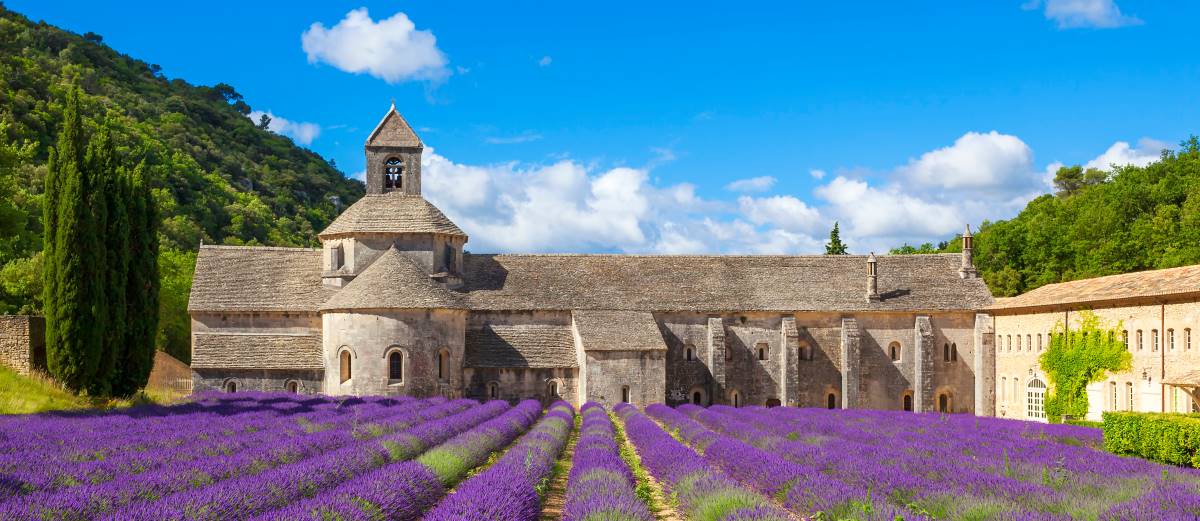
- Gordes, which houses the Senanque Abbey and the fabulous bories village;
- L’Isle sur la Sorgue and its flower-lined canals;
- Lourmarin, one of the most beautiful villages in France;
- Pernes-les-Fontaines and its fortifications;
- Ménerbes on its rocky outcrop;
- La Tour d’Aigues, whose plans are inspired by grand châteaux;
And so many others…
#4 Mont Ventoux
Once your urban escapades are over, we suggest you set off to conquer the natural wonders of the Vaucluse, no less numerous. Mont Ventoux, rising to 1,912 metres in altitude and visible from around a hundred kilometres away, offers an incomparable panorama over the valley. A stage of the Tour de France, its ascent is popular with cyclists but can be done by car, or on foot.
Favour the latter option if you wish to discover the biosphere reserve on its slopes: birds, birds of prey, chamois and even wolves can be observed there, as can many interesting plant species. Beware of the Mistral when you’re at the summit, and the drop in temperature, sometimes 10 degrees lower than that of the valley.
#5 The Colorado de Rustrel
Also called the Colorado Provençal, this is an old ochre quarry classified as a Historical Monument, of which a few traces remain: old wagons or pipelines. The last ochre worker retired in 1992, so only tourists now wander the site.
The warm colours of the place leave no visitor indifferent, and several routes allow access to beautiful viewpoints. You can admire in passing the famous fairy chimneys, splendid columns of sedimentary rocks topped with a mound of hard stone giving the whole a mushroom-like appearance.
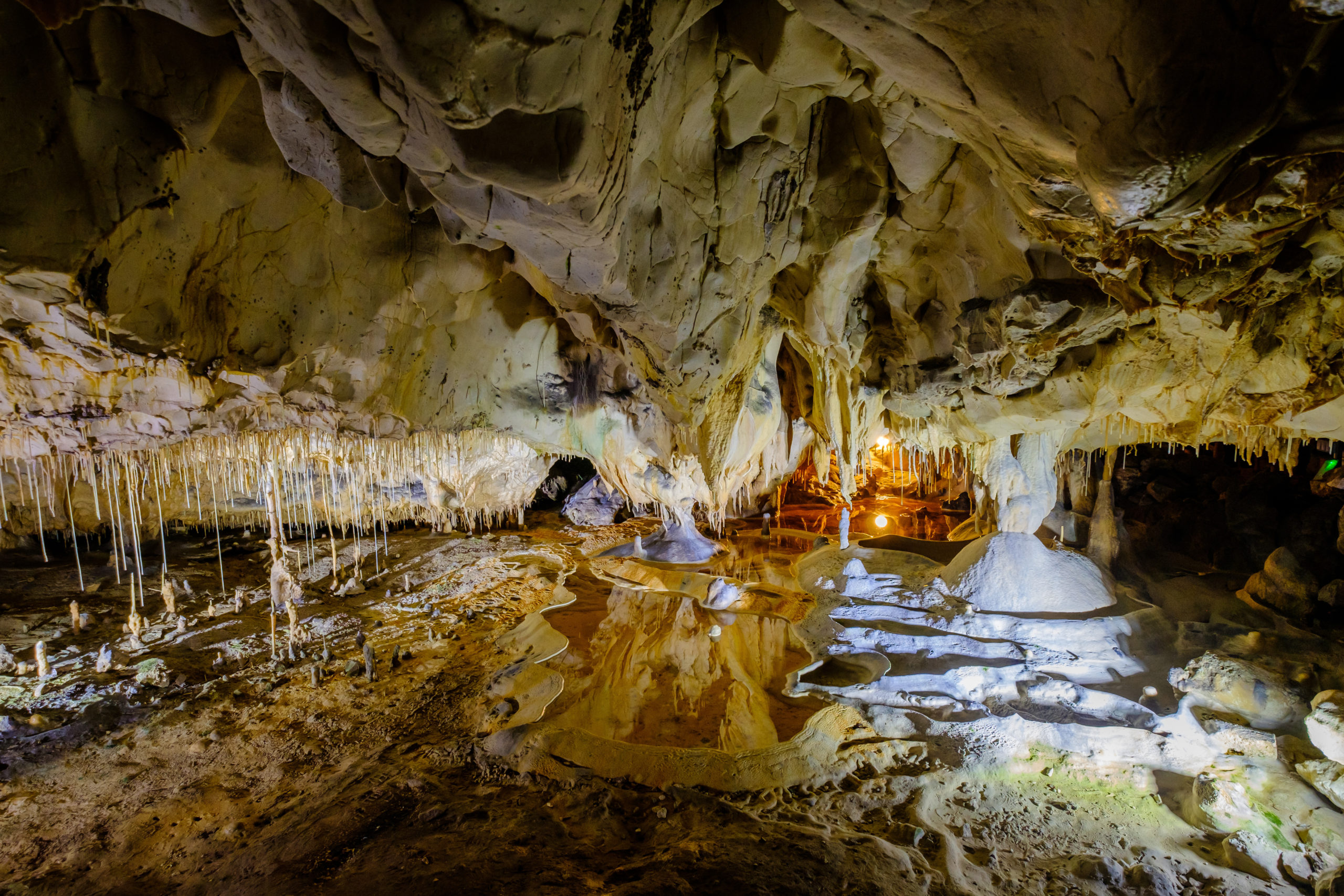
#6 The Thouzon Caves
The Thouzon Caves were discovered in 1902 and allow you to walk along the bed of a fossil underground river. The cold (13 degrees) and mysterious atmosphere inherent in any cave inspires respectful contemplation, but wonder reaches its climax during the discovery of the golden-coloured fistulose formations, which give the place the nickname of the fairy cave.
As a good tourist site, you’ll find a shop, a snack bar and a picnic area on site. A detour worth the effort, as it’s the only natural underground site developed for tourism in the Vaucluse.
#7 A Bouquet of Lavender
Emblematic of south-eastern France and particularly of Provence, lavender in bloom from mid-June to late August constitutes in itself a beauty to be admired without reserve throughout the Vaucluse. From the Abbey of Senanque in Gordes where the Cistercian monks cultivate it, to the lavender festival held each year in mid-August in Sault, you’ll find it all along your route.
A museum is even devoted to lavender in Cabrières-d’Avignon, allowing you to discover all aspects of its cultivation and tradition, its place in our world and the multiple applications that result from it. If you’re unable to distinguish fine lavender from true lavender, a visit is essential!
#8 The Nesque Gorges
Between Monieux and Villes-sur-Auzon, you can wind along a picturesque road revealing one of the most beautiful landscapes in the region. A stop at the Castellaras viewpoint will allow you to calmly admire the panorama and the Rocher du Cire, so named because bees like to take refuge there.
Classified as a Biosphere Reserve, the preserved nature of the Nesque gorges will also delight hikers, who can in fact descend to the bottom of the gorges and discover the discreet Nesque, well camouflaged by its green setting. Don’t miss the small troglodyte chapel, dating from the 12th century and accessible only on foot.
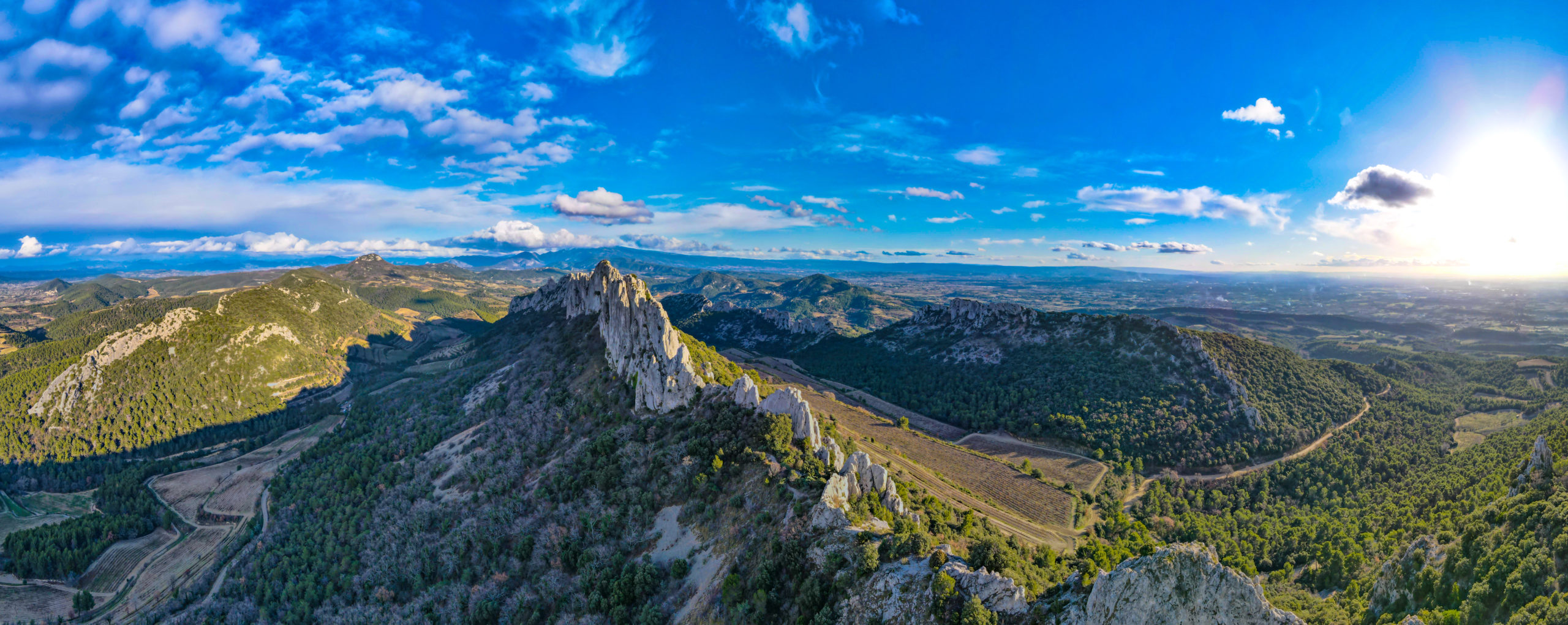
#9 The Dentelles de Montmirail
These rocky spares cut the Provençal landscape like an impregnable natural fortress. If the massif seems impressive from below, it’s certainly even more so for the daring who have the audacity to climb it! With a 360-degree view over the entire surrounding region, the landscape is absolutely superb and satisfaction, guaranteed.
Several climbing routes are offered according to the visitor’s level and a guide can secure the adventure, for an initiation or a “great route” outing for the most experienced climbers.
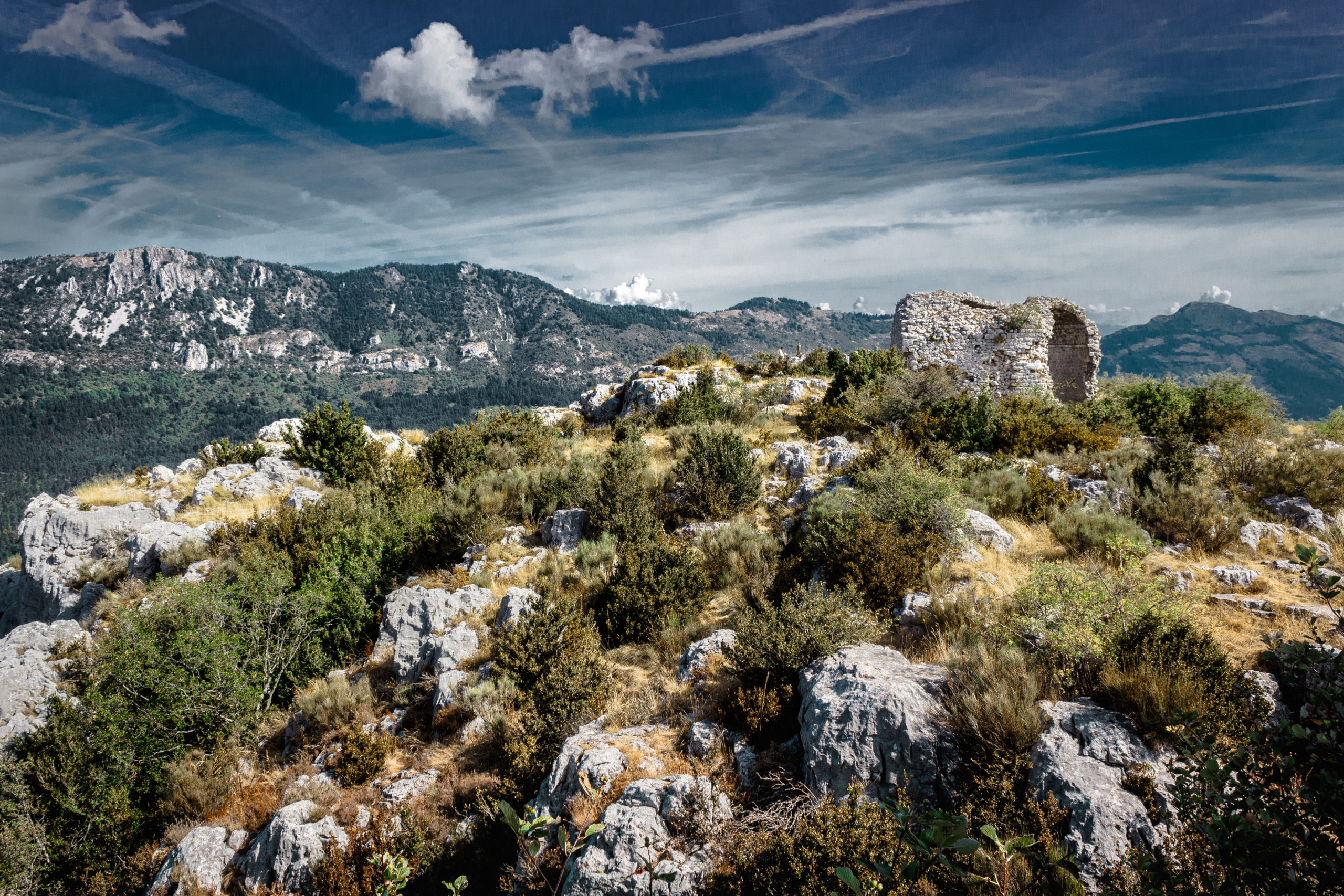
#10 The Fort of Buoux and the Fortress of Mornas
Geographically far from each other, both these remnants of another age are worth a look, for history enthusiasts as well as tourists simply eager for pretty stones and landscapes.
The fortress of Mornas stands at 137 metres of altitude north of Orange, on a rocky outcrop on the left bank of the Rhône. While the French Revolution deprived it of the strategic importance it had since Antiquity, the viewpoint and medieval entertainment will be well worth the efforts that will be essential to reach it.
The Fort of Buoux also sits on a rocky outcrop, this time in the Lubéron regional park. This ancient Celtic-Ligurian oppidum is the first Provençal rupestrian site. The walls, the hidden stairway, the clever defences or the remains of the medieval village will not lack appeal for anyone: don’t hesitate to take the time to visit.
Let’s end by sharing a secret only known to Vaucluse residents: the Marquis de Sade owned a castle in Saumane-de-Vaucluse!
If your stay leaves you time for other discoveries, explore the circuit of the 41 fountains in Pernes-les-Fontaines, hike in the Cedar Forest in Bonnieux or cool off at the Étang de la Bonde. In short, let yourself be carried away by Provençal tranquility…
Before leaving, you’ll also not miss passing through the charming village of Châteauneuf-du-Pape, to admire its castle but also to enrich your wine cellar!