How to heat your property properly
As the cold arrives, the French spend on average twice as much time at home as in summer. No one wants to be cold at home, and the solution is to turn on the heating. However, it is necessary to avoid over-consumption which will unsurprisingly result in a rather high bill. So how…
As the cold arrives, the French spend on average twice as much time at home as in summer. No one wants to be cold at home, and the solution is to turn on the heating. However, it is necessary to avoid over-consumption which will unsurprisingly result in a rather high bill. So how do you heat your house properly, without spending too much and limiting your consumption?
Adopt the right habits
The quality of heating primarily depends on maintaining your heating systems: boiler inspection, radiator bleeding, and chimney sweeping.
Be very careful about carbon monoxide if you use a boiler, a water heater, a supplementary mobile heater, a generator, a cooker… they present a risk of carbon monoxide poisoning.
So once again, have your installations checked, have your boiler inspected, have your chimney swept, do not block air vents, ventilate your home and follow the usage instructions.
Other simple habits to stay warm: do not place objects or furniture around heaters so that heat disperses well throughout the room. Clean them regularly to remove dust, place rugs on the floor and prevent cold air from seeping in through doors or windows.
But preserving this warmth mainly depends on good insulation of your interior.
Insulating your house properly
Whether you are sensitised to environmental issues or to an excessive amount on your bill, excessive energy consumption has consequences. The solution is good insulation. This can only be done during construction or renovation work on your house. It is important to insulate the walls (where 35% of heat is lost), the roof and loft (25%), the floor (15%) and the heating and hot water pipes. Also ensure that windows are suitable; you can opt for double-glazed windows or use heavy curtains. Then, you need a good ventilation system to avoid condensation problems.
If your house has already had work carried out, you can invest in new insulation work, which will enable you to reduce your bill and considerably lower your energy consumption. To do this, you can have an energy audit carried out, which will check the energy efficiency of your house in order to find the most suitable solutions.
Monitoring your consumption
In periods of extreme cold, we consume much more than usual, but it is necessary to monitor this consumption and not waste this precious heat.
Firstly, turn off the heating when you ventilate your home, do not leave windows open for too long, close your shutters at night and during the day if you are not at home. Do not heat all rooms to the same level. It is important to maintain a certain temperature at home, generally around 19 degrees for living areas, and 17 / 18 degrees for bedrooms. And if you feel the cold easily, prefer wearing a jumper, as turning up your heating by one degree leads to a 7% increase in consumption. At night, you can lower the temperature of your house between 12 and 14 degrees, as well as if your property is unoccupied. It is sometimes simpler to install a daily programmer.
Make the right choices
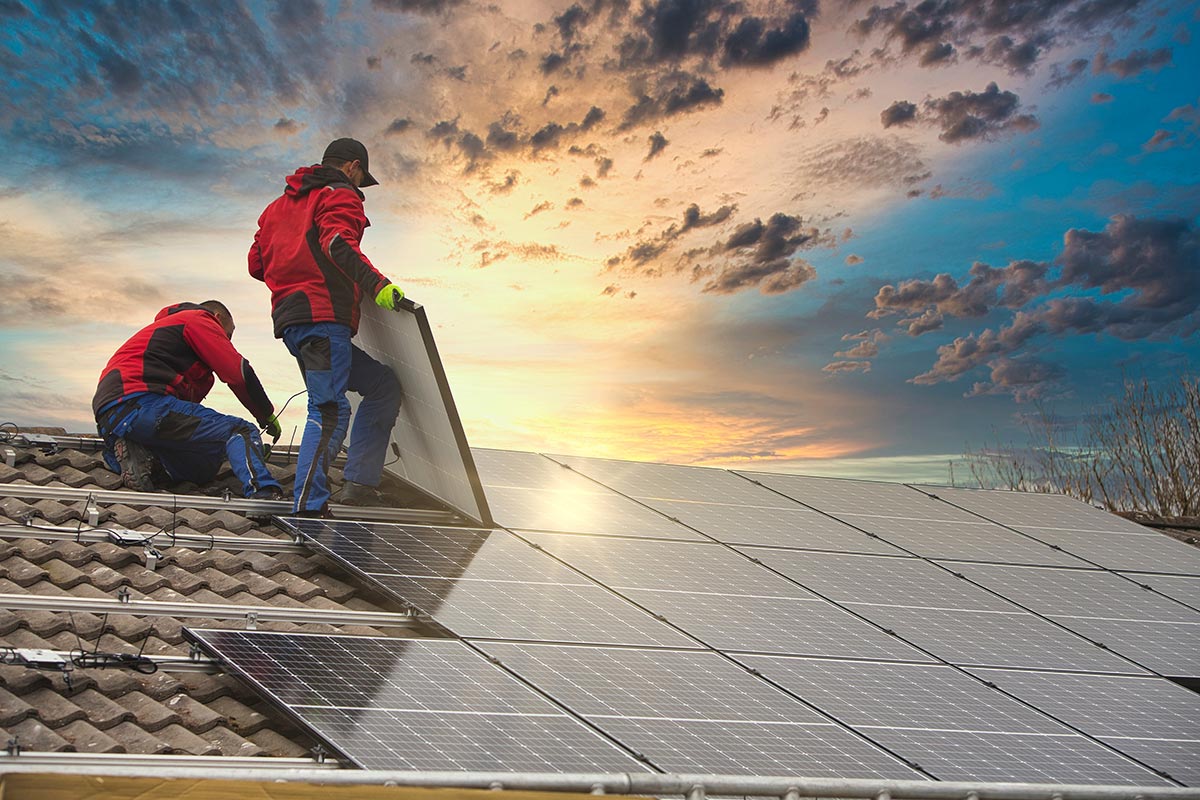
To retain heat and save energy, many options exist today: wood stoves, radiant panel heaters, solar panels, heat pumps… It is up to you to choose the one best suited to you.