Energy renovation: a major challenge for some French regions
Energy renovation, a cornerstone of the ecological transition, presents major and increasingly pressing challenges in France. Faced with climate challenges and the objectives set by the government, this dynamic is intensifying. Discover which regions are most impacted by this…
Energy renovation, a cornerstone of the ecological transition, presents major and increasingly pressing challenges in France. Faced with climate challenges and the objectives set by the government, this dynamic is intensifying. Discover which regions are most impacted by this trend, and the local specificities of this transformation.
The ecological transition, at the heart of the government’s concerns
With the timetable established by the government under the Climate & Resilience Act, which penalises thermal sieves by progressively banning the rental of overly energy-inefficient housing, the urgency of energy renovation has become tangible. A wide range of buildings, often old and energy-intensive, still dot the landscape. State aid schemes, such as MaPrimeRénov’, designed to facilitate funding for renovation projects, reflect the political will to support this transformation. Everything is being done to reduce the energy consumption of buildings, which are responsible for a significant share of greenhouse gas emissions.
Regions particularly impacted
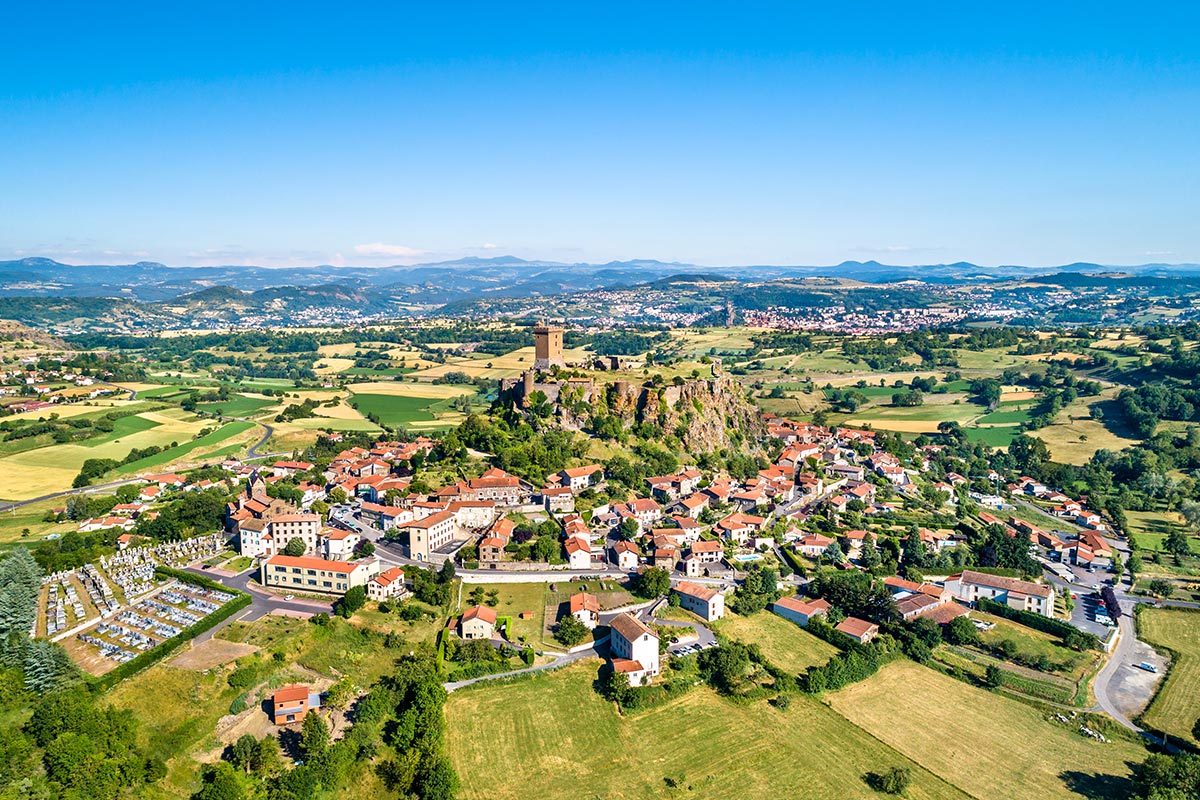
Certain French regions, due to their rich housing stock and distinct climatic characteristics, find themselves at the heart of significant challenges in terms of energy renovation. Take the example of Auvergne-Rhône-Alpes. The region is characterised by its mountainous areas and harsh winters. In this environment, homes must be adapted to extreme climatic conditions, and now meet energy standards, which requires innovative solutions such as the use of high-performance insulating materials and efficient heating systems to guarantee residents’ comfort throughout the year. In Auvergne-Rhône-Alpes, thermal insulation work is paramount. Insulating lofts, walls and floors retains heat in winter and coolness in summer, thereby reducing heating and air conditioning needs. Replacing obsolete heating systems with more eco-friendly solutions, such as heat pumps or condensing boilers, is also common.
The Grand Est and Hauts-de-France, for their part, face particular challenges due to their rich architectural heritage comprising many old buildings. The need to balance heritage preservation and energy efficiency represents another form of challenge to address. Energy modernisation of these historic structures often involves delicate interventions aimed at improving energy efficiency without compromising architectural integrity. The challenges are multiple, ranging from thermal insulation to the adoption of more environmentally friendly heating systems, with the ultimate objective of preserving the unique character of these buildings while making them more sustainable and energy-efficient.
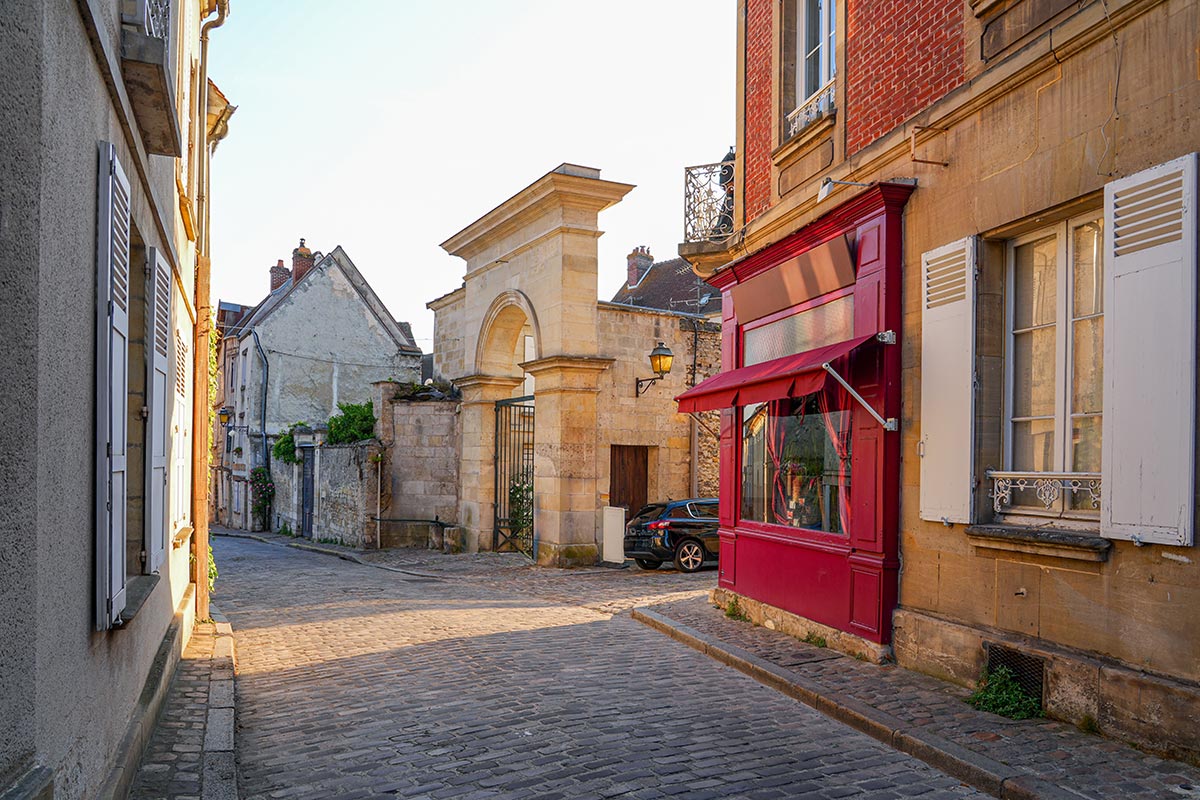
These regions therefore face complex challenges, but also innovative opportunities in the field of energy renovation, where heritage preservation and unique climatic requirements converge to shape tailored and sustainable solutions.
Beyond energy performance, concrete economic and social challenges
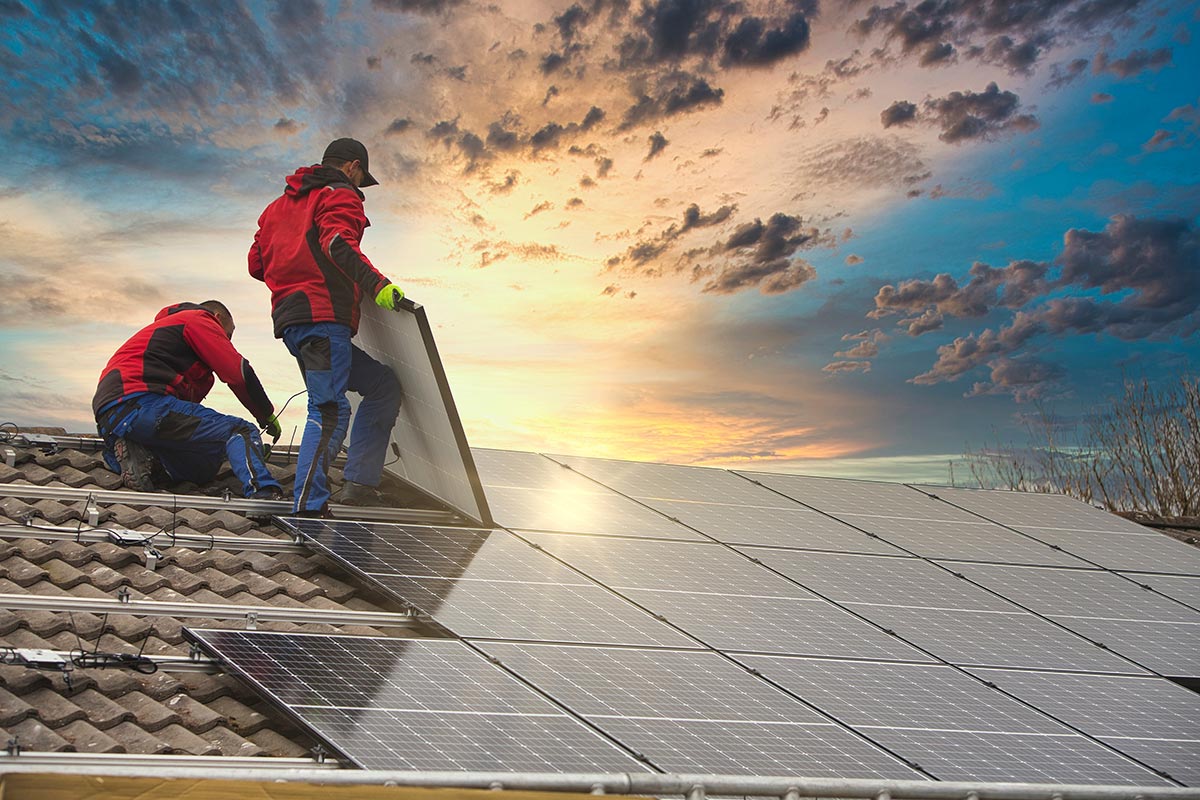
Technological innovation plays a key role in the evolution of energy renovation. The integration of home automation for smarter energy management, the use of eco-friendly and durable materials, and the development of individual-scale renewable energy production solutions, such as solar panels, are reshaping the renovation landscape. The scale of work required also represents a genuine economic driver, with the creation of local jobs in the construction and renewable energy sectors.
Energy renovation also generates substantial direct economic and social benefits for French households. Reducing energy bills eases household budgets and enables their purchasing power to increase, while improving indoor comfort enhances quality of life. On a social level, these projects contribute to combating fuel poverty, a major social justice issue.
As we can see, energy renovation is not limited to simply improving the energy performance of buildings, but also constitutes an investment in preserving our heritage, creating jobs and promoting a sustainable future. Together, we can shape a more resilient urban and rural landscape, respectful of the environment and ready to meet the energy challenges of tomorrow.