10 tips to reduce your energy bill
Resisting inflation and maintaining a decent standard of living is easier when certain expenses can be adjusted. This is the case with energy bills, and given the rise in prices for this particular expense, the effort is all the more worthwhile. Reducing your energy bill...

Resisting inflation and maintaining a decent standard of living is easier when certain expenses can be adjusted. This is the case with energy bills, and given the rise in prices for this particular expense, the effort is all the more worthwhile.
Reducing your energy bill does not necessarily mean losing comfort, provided the right habits are put in place. Some are obvious, others require an initial investment but are effective in the long term. A look at our 10 tips to reduce your energy bill.
#1 Adjust ambient temperature to actual needs
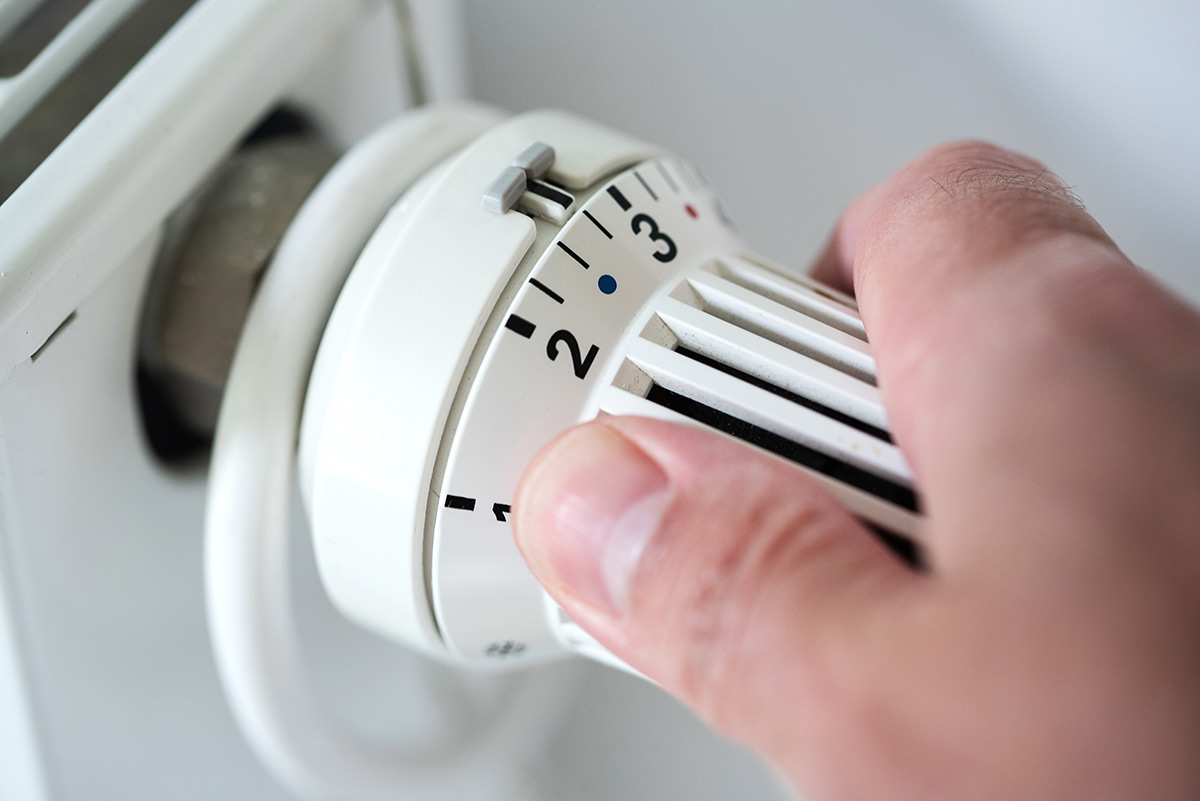
This may seem obvious, and everyone knows that heating is the biggest energy expense in winter. The right approach is all the more difficult to implement because the associated cost varies depending on the outside temperature: at equivalent indoor temperature, heating costs can vary by a factor of two depending on the weather.
The first step is to determine your minimum comfort temperature. Many people tend to overheat their homes, whereas adjusting the thermostat by one or two degrees lower would not bother them unduly: for each degree, savings on the energy bill can be up to 7%!
Also, depending on the size of the house or flat, different temperatures can be set for different rooms. There is no need to heat an unused bedroom to 19 degrees, for example.
#2 Modernise heating equipment
Continuing in the same vein and regardless of the heating method used, it can prove worthwhile—particularly since the significant rise in electricity, gas and even wood prices—to invest in the latest generation appliances.
In addition to the superior comfort they provide, they are designed to consume less and significant savings on energy bills can be expected, which will sometimes quickly offset the expense incurred.
In the case of electric radiators, opt for those with a ceramic core or other material that captures heat and diffuses it after the appliance is switched off. For the hot water cylinder, preferably choose one equipped with a steatite resistance, insulated from the water and which will not scale up, for maintained heating efficiency and lower consumption over the long term.
#3 Position thermal equipment correctly
If you have the possibility, ensure that equipment producing heat and cold is placed in the best conditions, so that it does not consume more energy than necessary.
As such, the refrigerator can be placed in a less heated room such as a pantry or garage, while the hot water cylinder—which you might have the reflex to move away from heated rooms and out of sight—will prove more economical if it is in a heated atmosphere. Also plan to insulate the hot water pipes to avoid costly heat loss.
#4 Modernise light bulbs
Lighting is generally not the most expensive equipment in terms of energy, but the difference is nevertheless significant between incandescent bulbs and the latest generation LED bulbs.
For equivalent light output, an LED bulb that costs only a few euros more to purchase will typically consume ten times less energy.
#5 Unplug unnecessary appliances
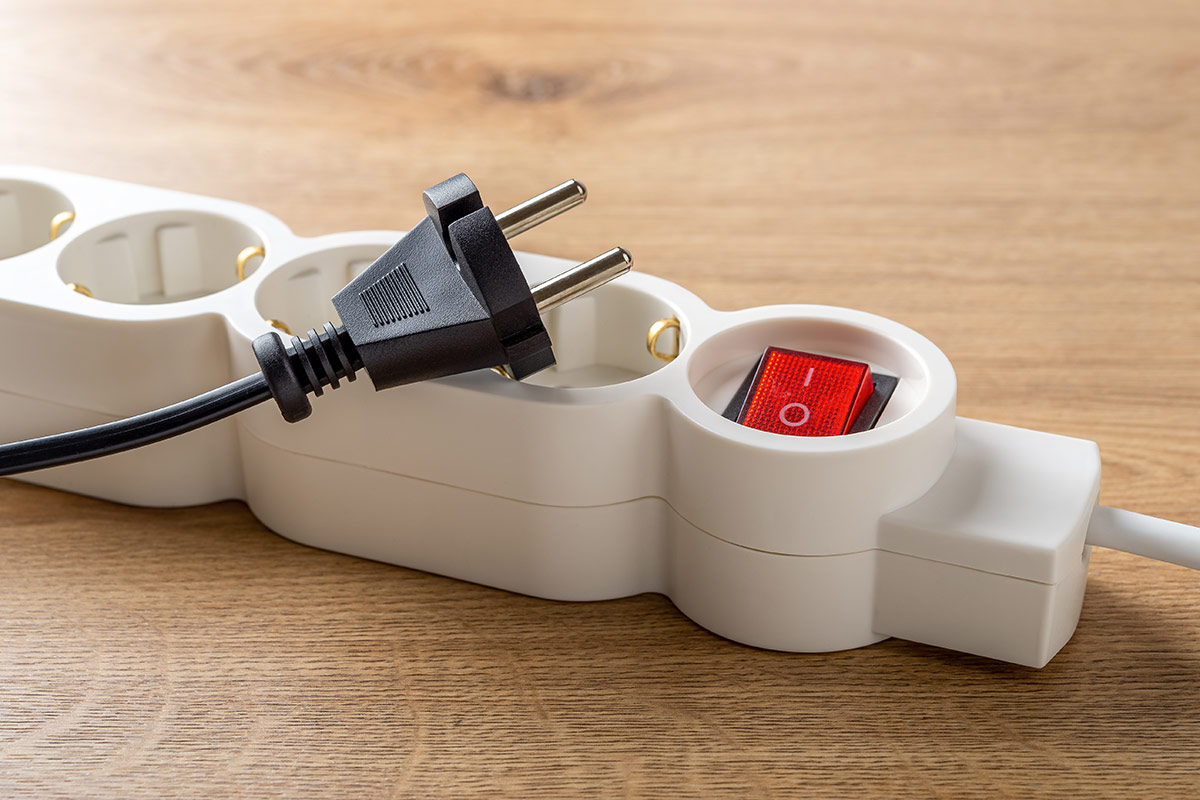
There is no need to go around all the sockets in the house to unplug every appliance that will not be used for the next few hours or overnight: remote-controlled sockets provide a simple way to act from your sofa.
For a cost of no more than a few tens of euros, these sockets to be positioned upstream of the power strip for appliances linked to the television, for example, allow you to cut the electrical supply in one go and prevent numerous appliances from unnecessarily remaining on standby.
#6 Shift equipment use to off-peak hours
If you have a differential pricing scheme (peak/off-peak), first check that the hot water cylinder, a large energy consumer, operates at night.
Similarly, washing machines and dishwashers can be started at specific times, and most modern appliances are programmable. If you cannot avoid using a tumble dryer, also plan to run it during off-peak hours.
#7 Use eco programmes
On the same cleaning appliances, some people hesitate to use programmes labelled as eco-friendly, due to their longer running time. It should be noted that a washing machine and dishwasher heat water at various times depending on the programmed cycle, which represents their most significant energy expenditure.
In eco mode, soak times are extended and the hot water supply is reduced accordingly: even if the appliance remains on longer, its final consumption will be lower—use the eco mode! And to maximise savings, ensure you fully load the appliances before running them.
#8 Cook intelligently
Two habits should be adopted when preparing meals:
- Cover your pans and saucepans with a lid that retains heat and therefore speeds up cooking;
- Turn off the oven before the end of cooking, as ambient heat is sufficient to finish the job without consuming additional energy.
#9 Save hot water
Hot water production quickly drives up the energy bill: certain habits or good reflexes can easily generate substantial savings. For example, remember to always return the kitchen tap mixer to the “cold water” position to avoid activating a hot water draw when washing your vegetables.
Also, equipping your tap with a water pressure reducer and installing an economy showerhead constitute investments that are quickly recouped by the energy savings achieved—and water, a precious resource above all others.
#10 Do not use energy for decoration
Finally, fashion can lead to purchasing furniture featuring LED lighting, or to directly installing this type of lighting in various places and for purely decorative purposes. While LEDs are fairly economical, it is nevertheless unnecessary to allocate electricity for a simple visual effect.
Every little gesture counts: put all our advice into practice and you will certainly notice a substantial saving on your next energy bill!