Coronavirus health crisis: a recovery plan for the construction sector?
The impact of the coronavirus health crisis on the construction economy continues despite the end of the lockdown and the resumption of activity. A closer look at the concerns of a year 2020 that points to a possible collapse of the construction industry.
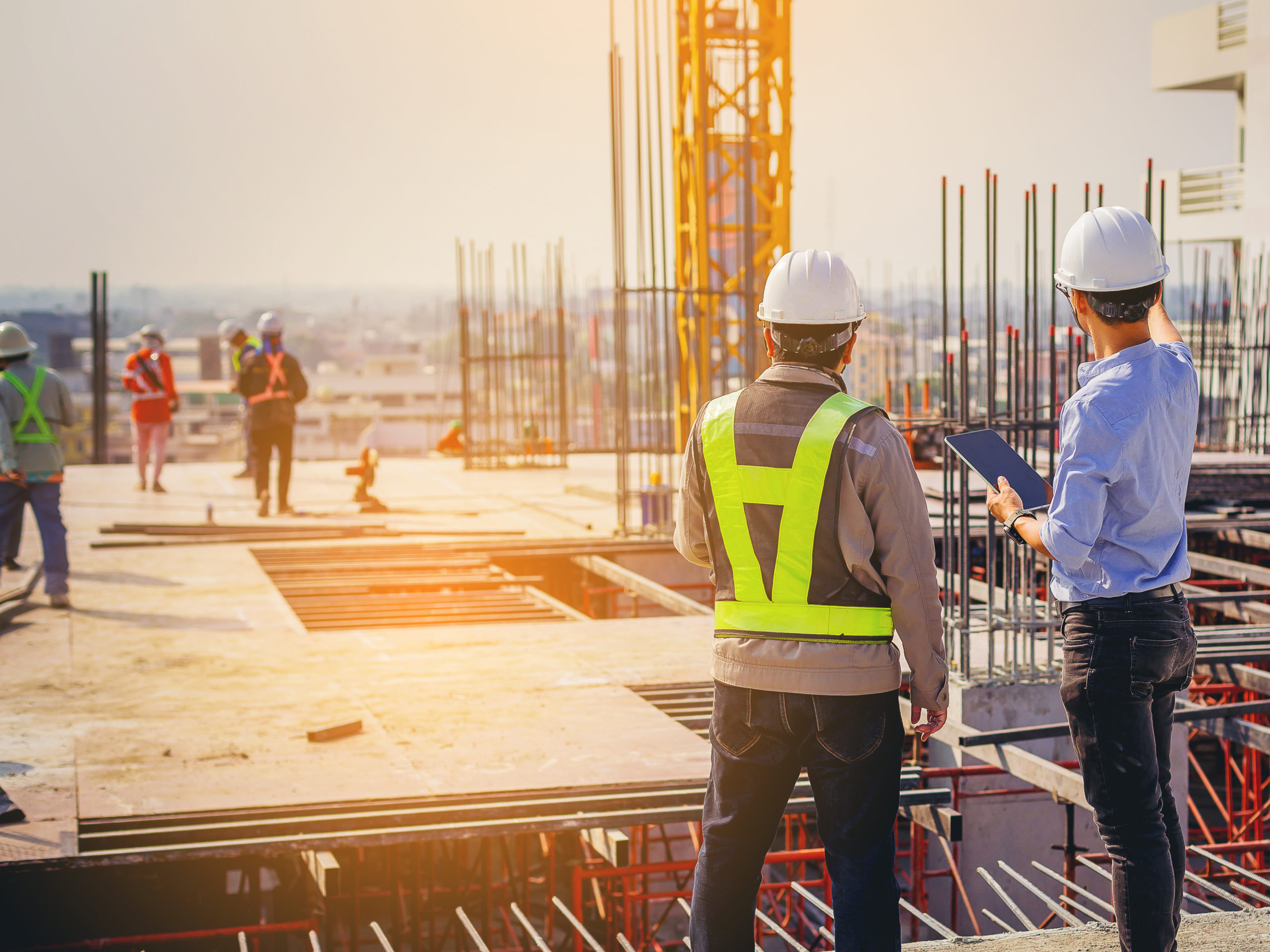
The impact of the coronavirus health crisis on the construction economy continues despite the end of the lockdown and the resumption of activity. The President of the National Federation of Public Works (FNTP) Bruno Cavagné highlighted this on Europe 1 before the President’s address on 14 June 2020: the construction sector is awaiting “an emergency recovery plan”. A closer look at the concerns of a year 2020 that points to a possible collapse of the construction industry.
A highly concerning situation
The economic analysis firm Global Data estimated at the end of April that the entire global construction sector would contract by 1.4% in 2020. These figures have undoubtedly worsened since then given the number of countries brought to a halt, delayed projects and cancelled orders.
In France, the sector employs two million people who have been able to return to work gradually while respecting the now well-known precautionary measures. However, while construction sites echo with the activity of works left unfinished before 17 March, there are fears that the crisis could continue for several years. The reason: a timidity in orders.
Indeed, the economic crisis is inevitable and project owners are holding back from placing orders. This is particularly true of local authorities, whose number of tender calls has fallen sharply according to Bruno Cavagné. Autumn raises fears of a lack of new projects to sustain companies that will always have an urgent need to generate revenue.
Government intervention
From March onwards, the government began a policy of supporting the construction sector, including:
- €8.2 billion in guaranteed loans to companies in the sector;
- €510 million paid into a solidarity fund;
- the possibility of placing jobs that cannot be maintained on partial unemployment (the application was submitted for 1.4 million employees in March and April)
To support the recovery now that activity has (almost) fully resumed, new measures have been announced. The third supplementary budget bill for 2020 presented on 10 June in Council of Ministers sets out several measures including:
- support for companies with fewer than 50 employees who may have charges for several months cancelled;
- support for local authority investment worth €1 billion;
- partial coverage of additional costs related to precautionary and social distancing measures on construction sites by public clients;
- support for recruiting apprentices;
- the possibility for co-ownerships to decide on works by video conference.

A recovery sought for the long term
The measures taken so far by the government to support and revive growth in the construction sector remain insufficient to save the sector according to its representatives. They were hoping, in addition, for strong announcements from the President during his address on 14 June 2020. There were announcements, but these are to be specified later.
Hope lies primarily in the President’s stated intention to combine ecology and the construction sector in the coming years. The energy efficiency of our buildings and a transition to a decarbonated economy (particularly in construction) are priority themes that should enable many companies to once again have well-filled order books. Especially if public subsidies support the political will.
The September return will be an important step in the announced recovery plan. Measures must be more concrete to allow construction players to plan their activity for the coming years and to restore confidence to potential clients: the property market in particular, which could re-engage a large number of new build programmes and invest massively in renovating existing properties!