The rise of responsible real estate
At a time when the consequences of climate change give rise to many concerns and as we witness the rise of ecological thinking, 8 out of 10 French people say they are sensitive, or even very sensitive, to environmental issues. Yet few take action...

At a time when the consequences of climate change give rise to many concerns and as we witness the rise of ecological thinking, 8 out of 10 French people say they are sensitive, or even very sensitive, to environmental issues. Yet few take action when it comes to reducing their own impact. A new trend is emerging, however, with responsible real estate, which gives everyone the opportunity to reduce their impact.
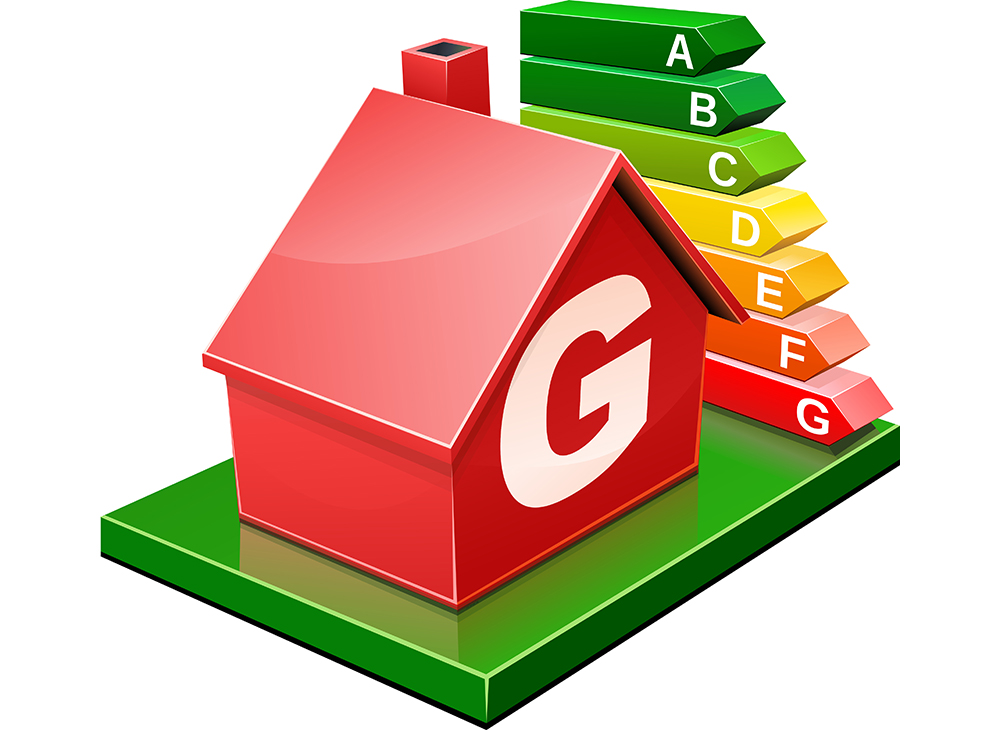
Real estate is a source of significant CO2 emissions each year. A house consumes energy, after all, between heating in winter, air conditioning in summer, hot water… And these are only the elements that consume the most. In 2020, real estate faces a challenge: becoming eco-responsible. What does this involve?
Many estate agencies are working to improve their ecological impact. As businesses (less paper use, etc.) on the one hand, and on the other by accompanying clients to show them the best ways to consume energy efficiently.
Companies are undeniably major emitters of carbon dioxide. Yet simple measures can be applied to limit these effects. Many estate agencies are using paper-saving approaches and therefore almost complete dematerialisation of files. Another path involves increasingly systematic use of LED bulbs for lighting.
To limit car journeys, 3D virtual tours are offered. Clients can thus discover and evaluate properties remotely, before deciding to travel. Sextant, a leader in this measure, is very proud to have been one of the pioneers. The digitisation of documents and their online storage are also key dematerialisation measures. This is why Sextant developed the MySextant app: all documents are accessible online.
Other efforts appreciated as part of an eco-responsible approach relate directly to company premises:
- Waste sorting and recycling
- Heating of premises (switching it off when leaving, not overusing it, etc.)
- Lighting of premises (using low-energy LED lamps, etc.)
- Avoiding printing documents, preferring digital instead.
It is also up to real estate companies to raise awareness by sensitising clients about their own carbon footprint and inviting them to apply the same methods… You can discover how to be more eco-friendly in your daily life here.