Summer Heat: How to Preserve Your Home and Comfort?
The forecasts are unequivocal and discomfort is already being felt: our summers are set to become increasingly hot and extreme heatwaves, more frequent. The entire country is affected and the migration of holidaymakers, or even residents, towards Brittany or Normandy seems insufficient to avoid...

The forecasts are unequivocal and discomfort is already being felt: our summers are set to become increasingly hot and extreme heatwaves, more frequent. The entire country is affected and the migration of holidaymakers, or even residents, towards Brittany or Normandy seems not to be enough to avoid experiencing their effects.
Until now, heat resilience was not a criterion highlighted in housing construction, but this is set to change in the coming years. In the meantime, certain good practices and adaptations can help better cope with heat and preserve a certain level of freshness within our dwellings. Here are our 6 tips for achieving this.
#1 Limiting Heat Entry into the Property
Let’s start with a basic principle: a home does not necessarily have to turn into an uncomfortable oven when a temperature peak occurs outdoors. Forget the easy solution of air-conditioning all our buildings: it is neither good for the environment nor for our budgets. The strategy should instead focus on a different design approach for properties.
Heat-Resistant Materials
For households considering building new or planning a renovation, using more heat-resistant materials becomes obvious: by refusing to store heat, they will avoid transmitting it inside the building and thus help preserve fresher air within the living space. This concerns the roofing materials, the walls, and even the colour of the paint covering them. A white paint will thus have a much higher albedo than dark-coloured paint, and will therefore reflect a large part of the solar radiation and the associated heat back into the atmosphere. In cities, this can notably avoid the formation of urban heat islands, a phenomenon that multiplies the nuisance of heatwaves.
Better Insulation
In addition to structural materials, insulation of the property serves as much to retain heat in winter as to prevent it from entering in summer! It is therefore advisable to reinforce it if necessary, using the most modern and thus, most effective methods. Lofts can be targeted, particularly by blowing a layer of wood wool or other material, in a uniform manner. The flooring and walls are also concerned.
Quick tip: if adding an insulating layer seems appropriate, consider applying it externally and pairing it with attractive cladding. The benefit is threefold: complete external insulation considerably limits the formation of thermal bridges, avoids losing living space inside the dwelling, and eliminates the need for façade renovation.
#2 Investing in High-Performance Joinery, and Protected
Next step in inviting heat to stay outside: making joinery impervious to temperature increases. For this, it is possible to act on the elements that compose them, and to additionally shelter them from solar radiation.
Higher-Performance Joinery
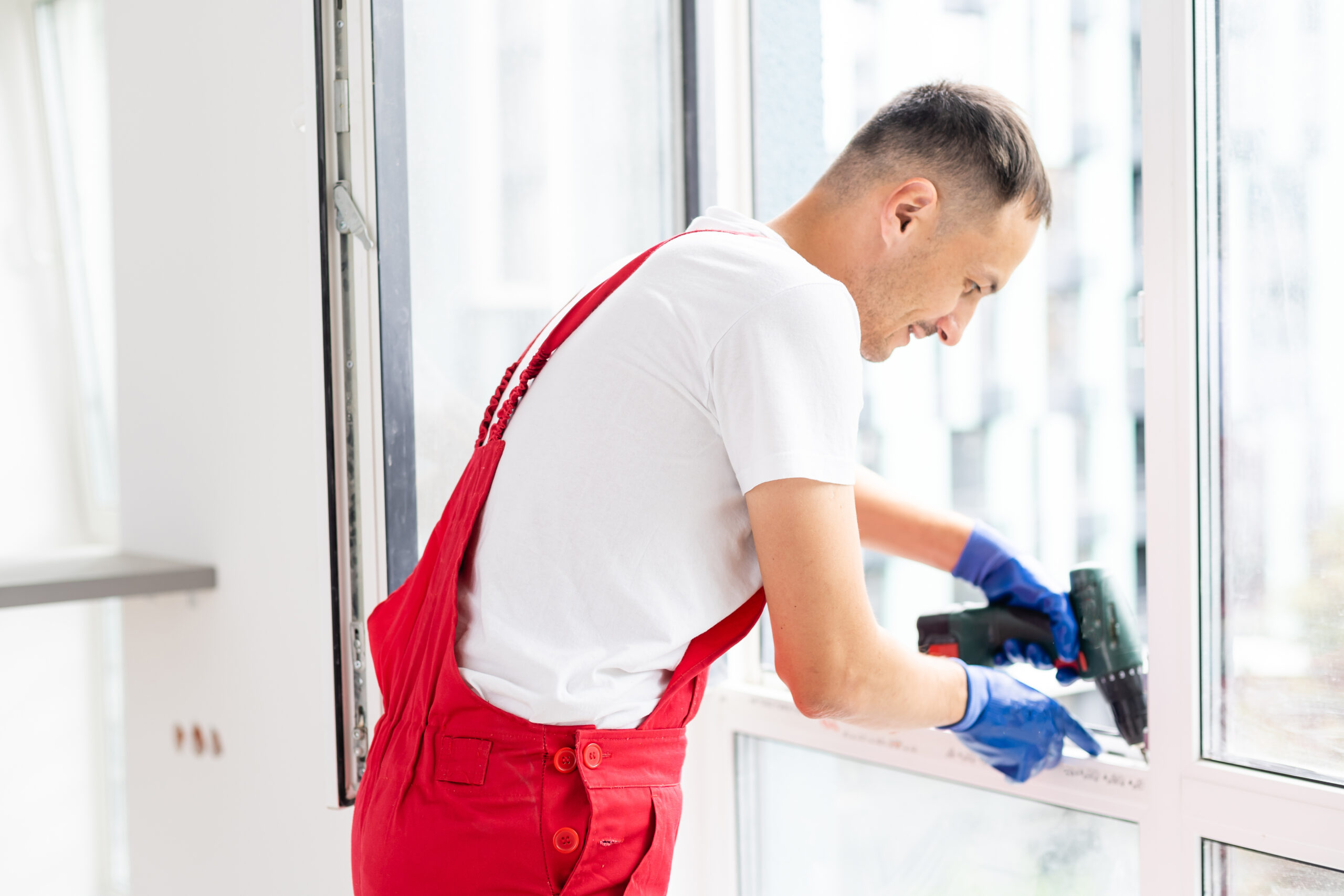
Heat entry into a home obviously occurs, first and foremost, through openings. Even when closed, windows constitute a weak point if they are not well insulated.** The embedding of the joinery** in the structure must be hermetic (except for essential ventilation), and the glazing must provide sufficient insulation against cold as well as heat.
Therefore, prefer double-glazed windows, or even triple glazing if you intend to make your home ‘passive’. However, be careful not to achieve a counterproductive effect, if for example the insulation is such that you have no choice but to open the windows in winter to avoid suffocating from heat. In most cases, good double glazing will be sufficient.
On artisan quotes, you will necessarily find the thermal performance index of the product proposed, shown by the Uw symbol. Since it quantifies heat loss, you should look for the lowest Uw index: 1 to 1.3 are very relevant scores.
Attention should also be paid to access doors and sliding glass doors which, due to their imposing size, can have an even greater impact on overall insulation.
Adding Roller Shutters
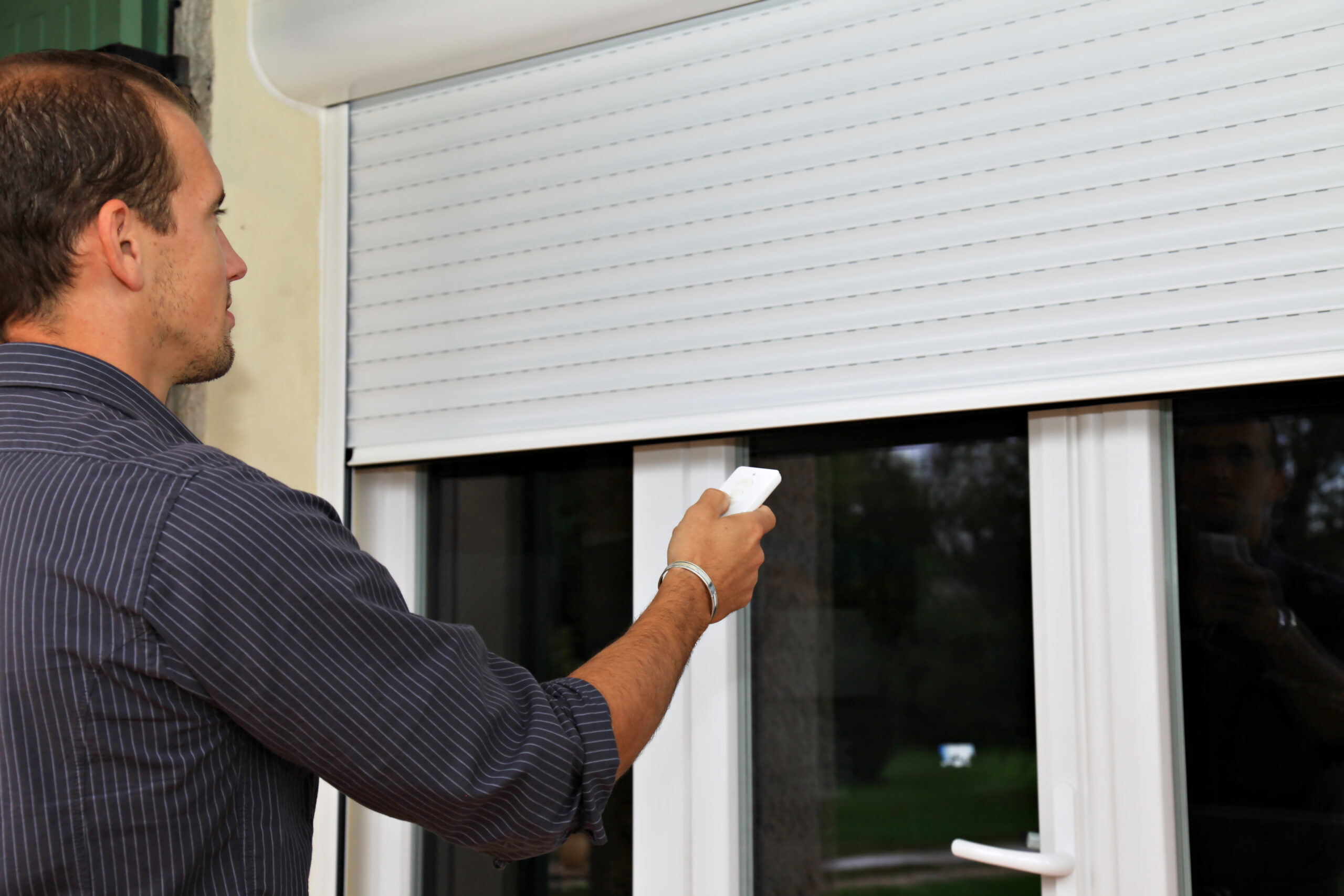
A window, however performant it may be, will always struggle to preserve the home from heat if directly exposed to the sun. To reinforce insulation, lowering roller shutters during the hottest hours of the day will prevent solar radiation from entering and thus limit the influx of heat.
If the installation is modern, you can also consider using home automation to automatically manage the position of roller shutters at different times of the day, according to a programme you have defined in advance.
#3 Preserving the Surroundings of the Property
Now let’s move to the outside of the house or flat. Depending on the case, installations can help create a cool microclimate around the property, which will thus receive less heat. Because a terrace, and even more so a balcony, can quickly turn into radiators in summer!
Depending on the size of the terrace, installing a pergola and other covering structures, or awnings, will be able to provide welcome shade. Don’t hesitate to plan them for all areas of the property directly exposed to the sun.
#4 Greening Your Plot, and Your Home!
They say one tree is worth five air conditioners. What is certain is that the shade and freshness given off by vegetation are very concretely perceptible, making it more effective than any hard installation you might imagine.
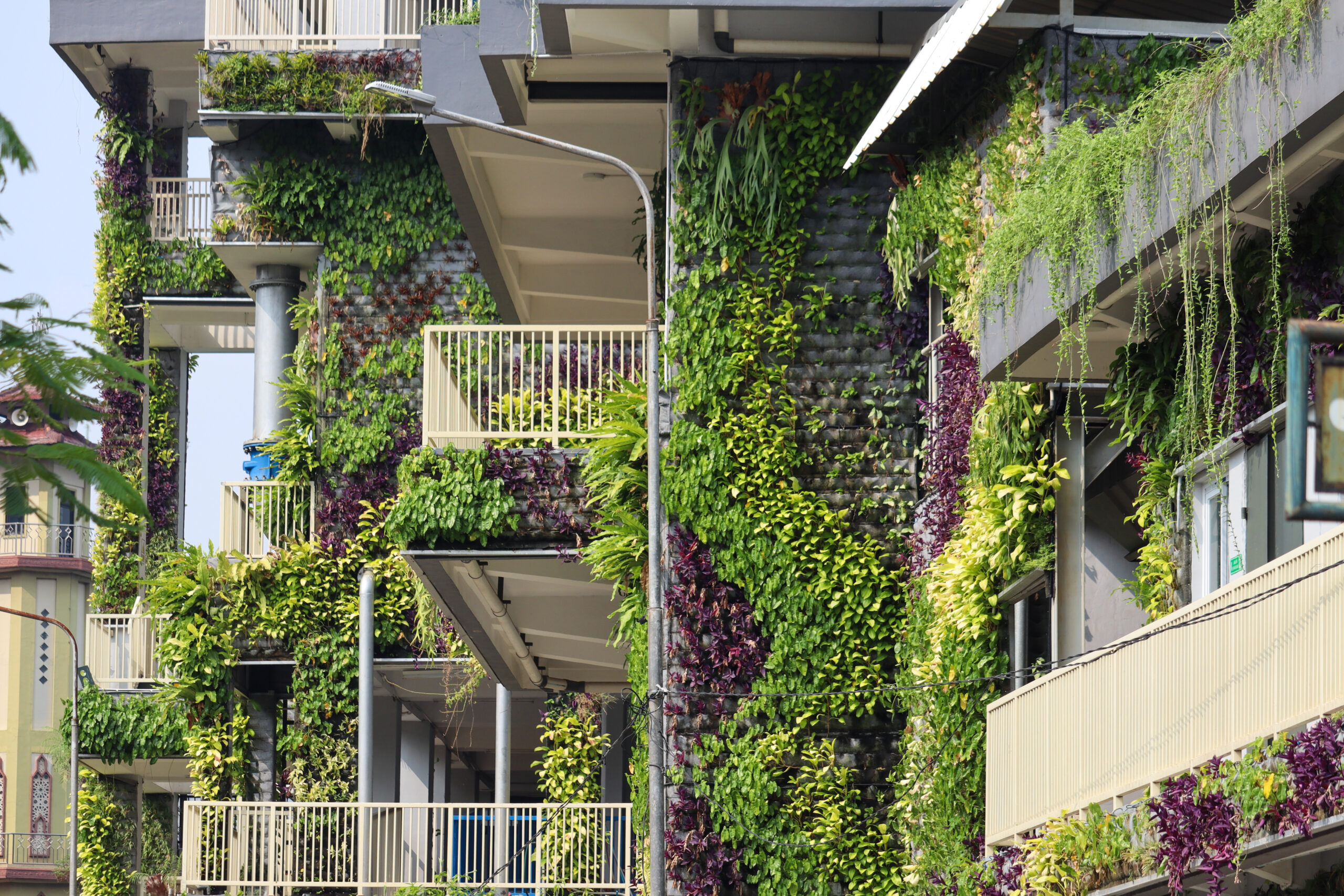
Many plantings on your land, near the house or not, will promote greater resilience against heat spikes. Your gazebos and pergolas will benefit from being covered with a climbing plant. And if your construction lends itself to it, you can consider greening the façade or even the roof, for optimal protective effect.
#5 Building with a Particular Orientation
For future homeowners who have chosen new construction and are free to make their own choices, it now seems unwise to face directly south. More and more houses are turning their backs on it and choosing a northern orientation. Another option is to expose east-west, to benefit from sunlight on certain parts of the home, at chosen times.
In any case, the position of the sun at different times of day should guide the development of the project, with the necessary adaptations to achieve the desired thermal comfort.
#6 Good Daily Practices
Although all the adaptations mentioned are extremely effective for resisting a temporary heat spike, indoor temperature will inevitably rise during a heatwave lasting several weeks. To preserve comfort while limiting the use of air conditioners, certain practices should be adopted.
Sleeping in the Right Place
Since we mentioned orientation, adding that placing bedrooms on the east side of the house will spare them from the full heat of the afternoon. It will thus be possible to feel a pleasant temperature difference at bedtime.
Ideally, a ground floor bedroom will generally be cooler than one on an upper floor, since heat rises. In the absence of a dedicated room, it remains possible to spend a few nights in your living room in the event of a prolonged heatwave if nights become unbearable.
Ventilating at Night, Sealing During the Day
Not opening windows in the middle of the afternoon is obvious. Ventilating as late as possible – or as early – is also a habit to develop. If night-time temperature does not always drop below 20°C during periods of intense summer heat, it will nonetheless be useful to ventilate just before falling asleep if the outside temperature is lower than that of the bedroom.
Early in the morning – as early as possible – ventilate all rooms is advised, before insulating the property as much as possible to retain this acquired coolness. Closing windows and shutters is therefore necessary.
Using Damp Cloths
If, despite everything, the indoor temperature is too high and you do not have an air conditioner, our grandmothers’ tricks can save the day. Notably, pair the (warm) air flow from a fan with a damp cloth placed in front of it. The air passing through will naturally cool down. A damp cloth placed in the room, even without a fan, will actually make the atmosphere more pleasant thanks to the evaporation of moisture.
Hanging a damp cloth in front of the window during evening ventilation can further cool the air before nightfall. You can finally try to make a homemade air conditioner by placing ice in front of a fan.
Unplugging Unnecessary Electrical Devices
Final useful tip: don’t leave your electrical devices running if you are not using them! All devices, televisions, chargers, computers, etc. give off heat during operation. It is therefore counterproductive to leave them plugged in, not to mention the energy expenditure involved which is neither good for your wallet nor for the planet – and current events will not contradict us!
From major works to the smallest gestures, the more measures you put in place to better resist heatwaves, the more noticeable the effect will be. Your turn to act!