2021 holidays: what trends for the French?
As was the case the previous year, 2021 marks a notable change in the behaviour of French and foreign tourists. Both the destination and the type of accommodation are affected, as are cautious bookings. The situation is changing and some countries are easing their rules…
As was the case the previous year, 2021 marks a notable change in the behaviour of French and foreign tourists. Both the destination and the type of accommodation are affected, as are cautious bookings. The situation is changing and some countries are easing their rules while others are tightening them. France for its part seems to be doing both at once: the end of restrictions is releasing desires, but a call for the greatest caution is moderating their realisation. Each person must adapt their holidays to the situation: let us take stock of the attitudes expected from our French compatriots this summer.
France still the preferred destination
This was the case in 2020 and the trend is confirming itself, even if it is being reduced by the reopening of certain borders, particularly European ones. This year, 7 out of 10 French people say they do not want to leave the hexagon, compared with 50% in normal times.
Thus, at the top of the top 3 regions filling up with bookings for summer 2021, we find Provence-Alpes-Côte d’Azur, followed by Brittany and the South-West. The Ecrins mountain range comes next, proof that the mountains are not being shunned. A report published by Atout France also revealed that for summer 2020, the mountain regions were those receiving the most tourists: Massif Central, Pyrenees, Jura, and Southern Alps in particular. The year 2021 therefore marks a return to a more classic balance.
When they decide to go abroad, the French do so closer than usual. The study carried out by Les Entreprises du Voyage reveals that Greece, Spain and Italy represent more than half of bookings. As for foreign visitors coming to stay with us, they should be half as many as in summer 2019: 50 million people are expected, compared with 91 million before the health crisis.
Accommodation influenced by social distancing
This is not a rule but a trend observed in 2020, which is tending to confirm itself this year to a lesser extent. Two concrete effects can be identified, linked to the fear of Covid-19 and reflecting an adaptation to the necessary social distancing encouraged by the government.
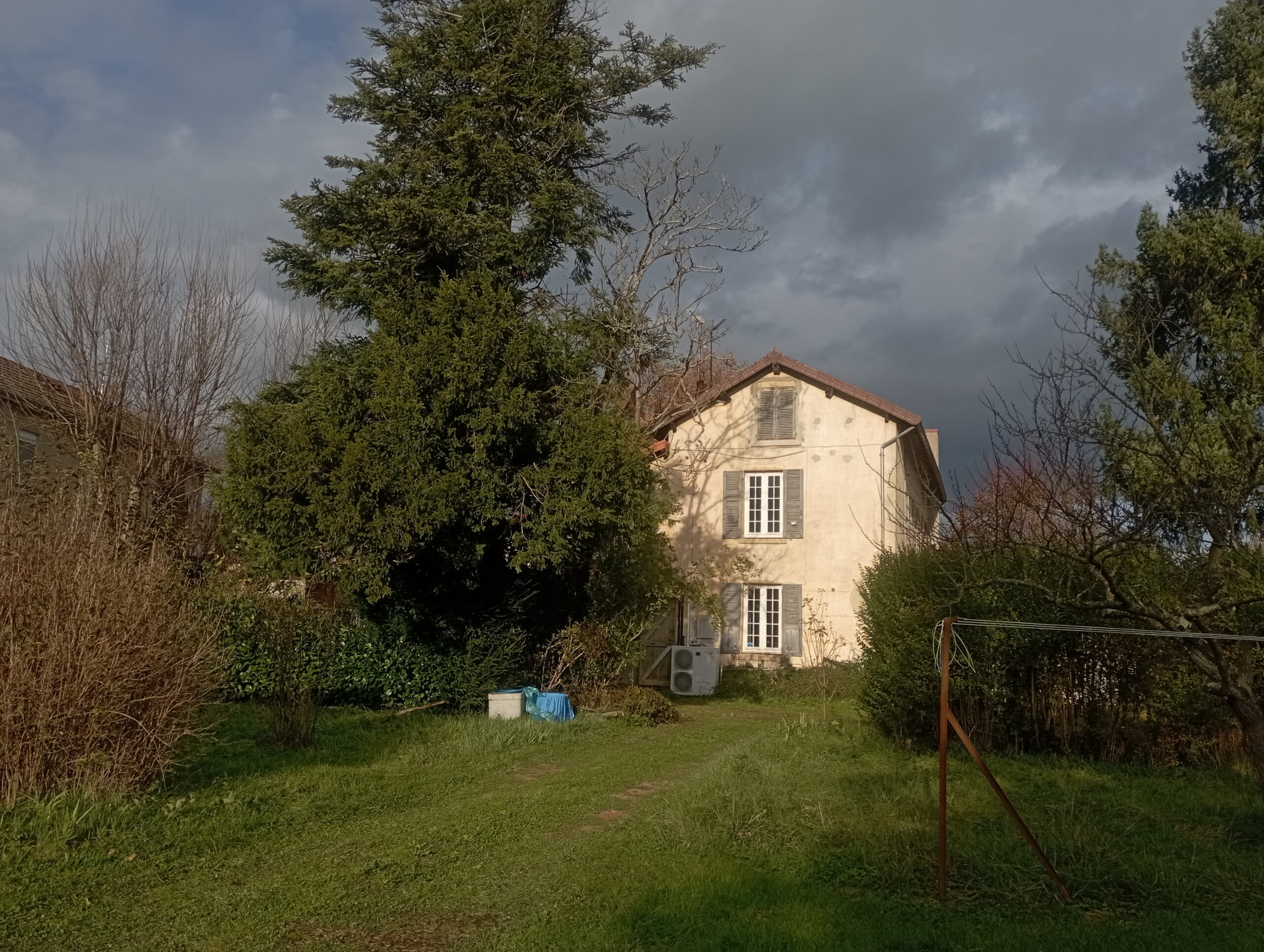
Firstly, there is a strong increase in demand for countryside accommodation – and consequently a drop in tourist bookings within large cities. Holidaymakers are seeking to escape mass tourism and favour small, quiet accommodation establishments. To such an extent that Airbnb, sensing the wind turning, announced in the spring that it wanted to increase its rural accommodation offer by 15,000 listings and was even offering a £100 bonus for each new property located in the countryside and registered on the platform.
Also, there is genuine growth in independent tourism, in a van or motorhome. Once driven by the desire for flexibility and the impulses of freedom among young people or retirees, the sales of these vehicles now also appear to be motivated by a need for security in the face of the pandemic: the vehicle serves as a sanitary bubble avoiding contact with other tourists.
BFM noted in May a 12% increase in leisure vehicle sales in 2020, which seems to be confirming itself this year. The clientele is also expanding, with a notable increase in purchases by families or couples in their thirties and forties.
More cautious bookings
The third observable trend concerns how to plan holidays, with the booking period notably shortened since 2020, explicable by the fear of having to cancel everything following a new lockdown. Although in 2021 we are seeing an increase in bookings from spring onwards thanks to government announcements of an end to restrictions on 30 June, last-minute booking is in favour.
Concern about health rules in force at the time of the holidays remains high and the spread of the Delta variant as well as the introduction of the expanded health pass are currently accentuating prudence. A large part of the population prefers to wait and accommodate the remaining availability, a few days before departure.
To counter this phenomenon and ensure a successful season, many tourism professionals are intelligently adapting to tourists’ expectations, allowing for simpler and later cancellation of the stay, provided it is motivated by the health situation, of course. This is enough to reassure holidaymakers and enable a satisfactory occupancy rate for tourist accommodation.
Going less far and avoiding large gatherings seem to be the two rules gaining ground among holidaymakers. However, 2021 leaves more possibilities for travellers wishing to cross borders, mostly to Europe. With the possibility of adding extra precautions, by going in a motorhome rather than by plane, for example. Everyone should be able to find without too much difficulty a way to have a successful holiday!