The boom of atypical properties
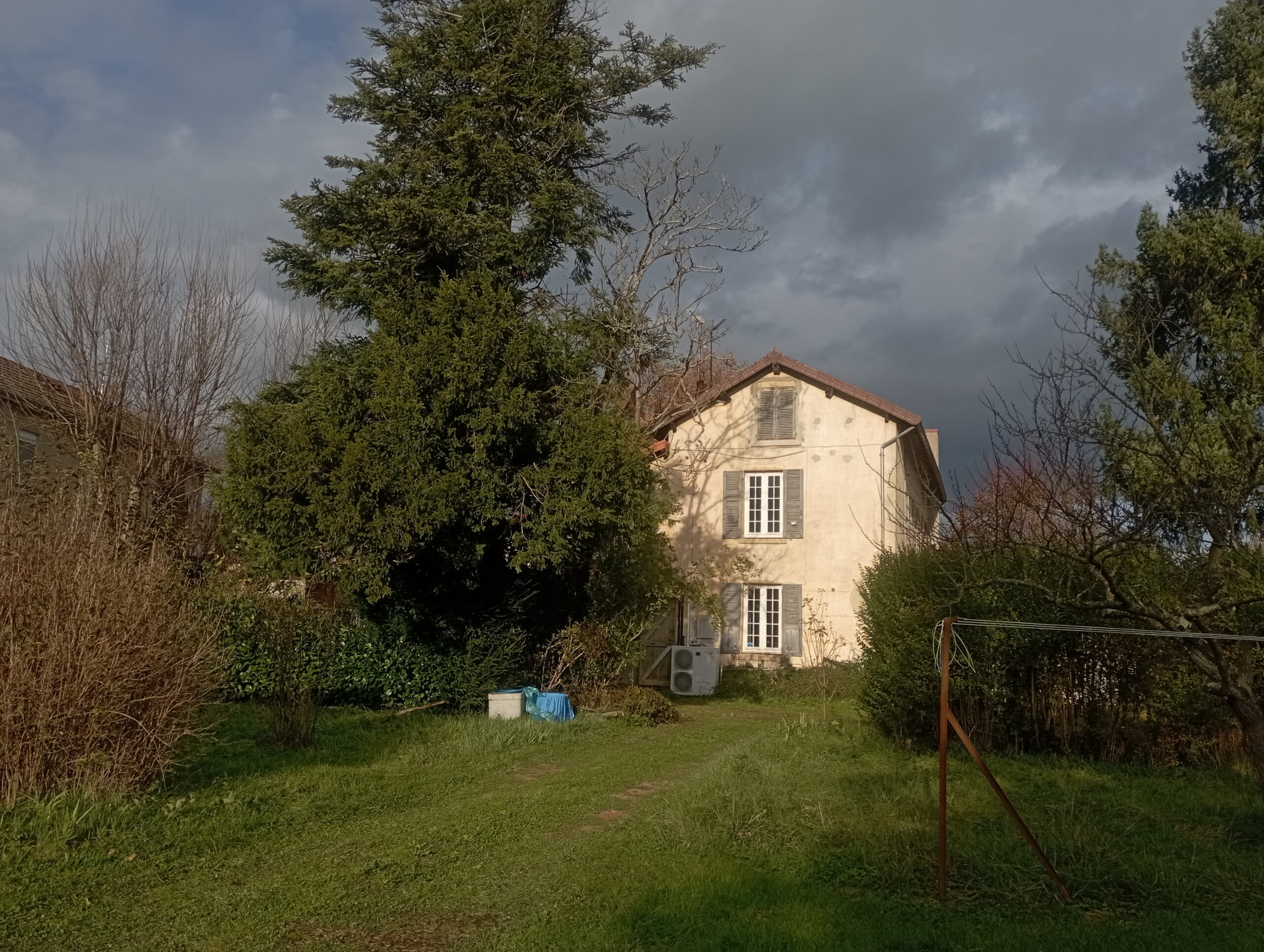
Mainly lofts, architect-designed houses or former shops, atypical properties are increasingly finding their place in the real estate market.
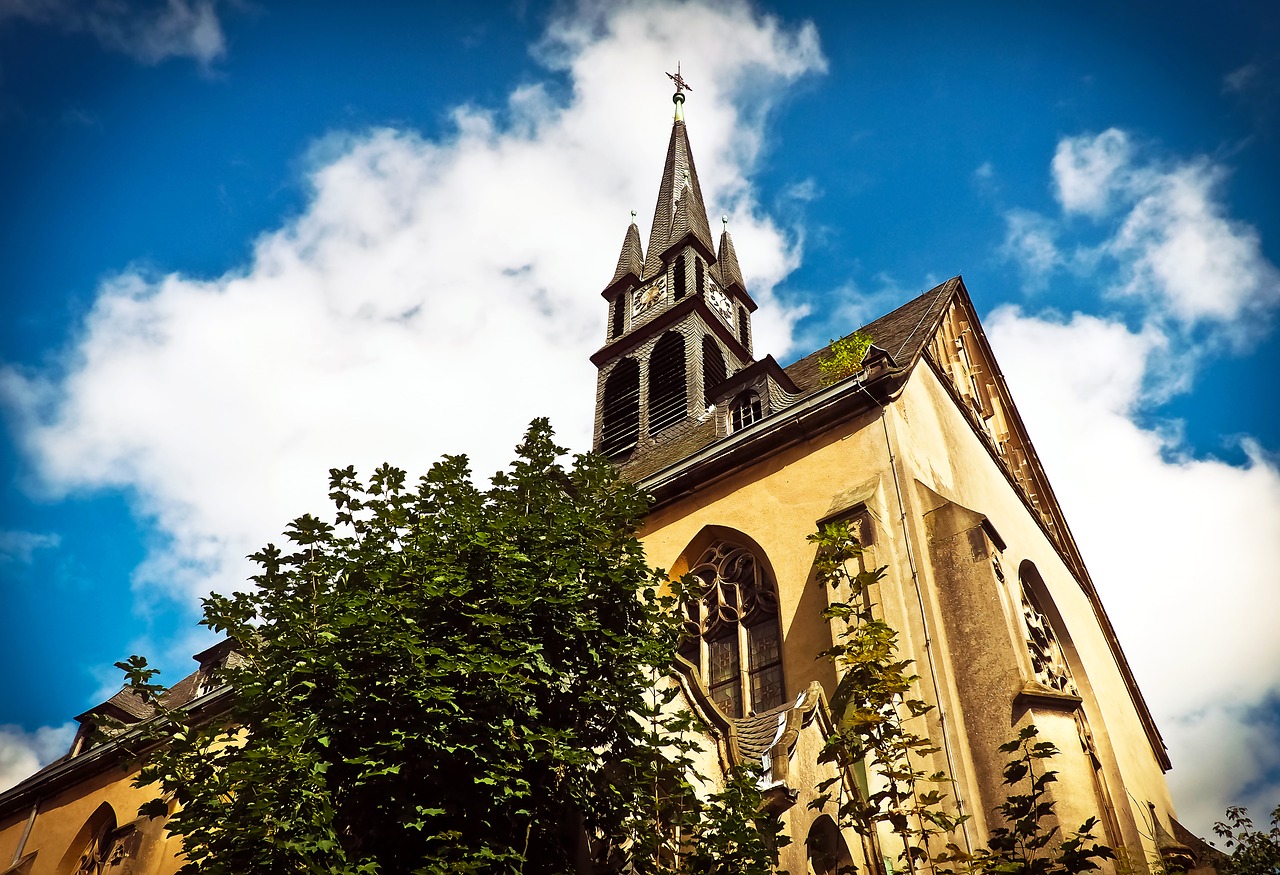
Mainly lofts, architect-designed houses or former shops, atypical properties are increasingly finding their place in the real estate market. Artists, engineers or executives, many buyers want to acquire this kind of high-end home sometimes three times more expensive than a traditional house.
Advantages of an atypical property
Often imagined as very spacious and design-oriented lofts, several categories of spaces can be considered atypical. These are often artist studios, former railway stations or rural schools. They can also be former shops that have been converted or industrial factories. Whether an atypical property is located in the city or in the countryside, rehabilitating the space into stylish and original homes is crucial. Atypical properties are also large spaces that typically have terraces or balconies.
Buyer profiles
The main purchasers of atypical properties often have a relatively high standard of living. Indeed, acquiring this kind of home represents an average budget of £560,000. A significant proportion of buyers of atypical properties are artists, architects or interior designers. Many doctors or business owners also wish to acquire this kind of real estate. If they are often motivated by a love-at-first-sight moment, the common thread among buyers is above all curiosity. They are also seeking freedom and spacious living environments.
Despite its quite exorbitant price, atypical properties attract numerous buyers. Authentic and design-oriented, artists and self-employed professionals are the main ones drawn to this kind of extraordinary home. A true source of inspiration and freedom, an atypical property can also be furnished according to individual tastes.