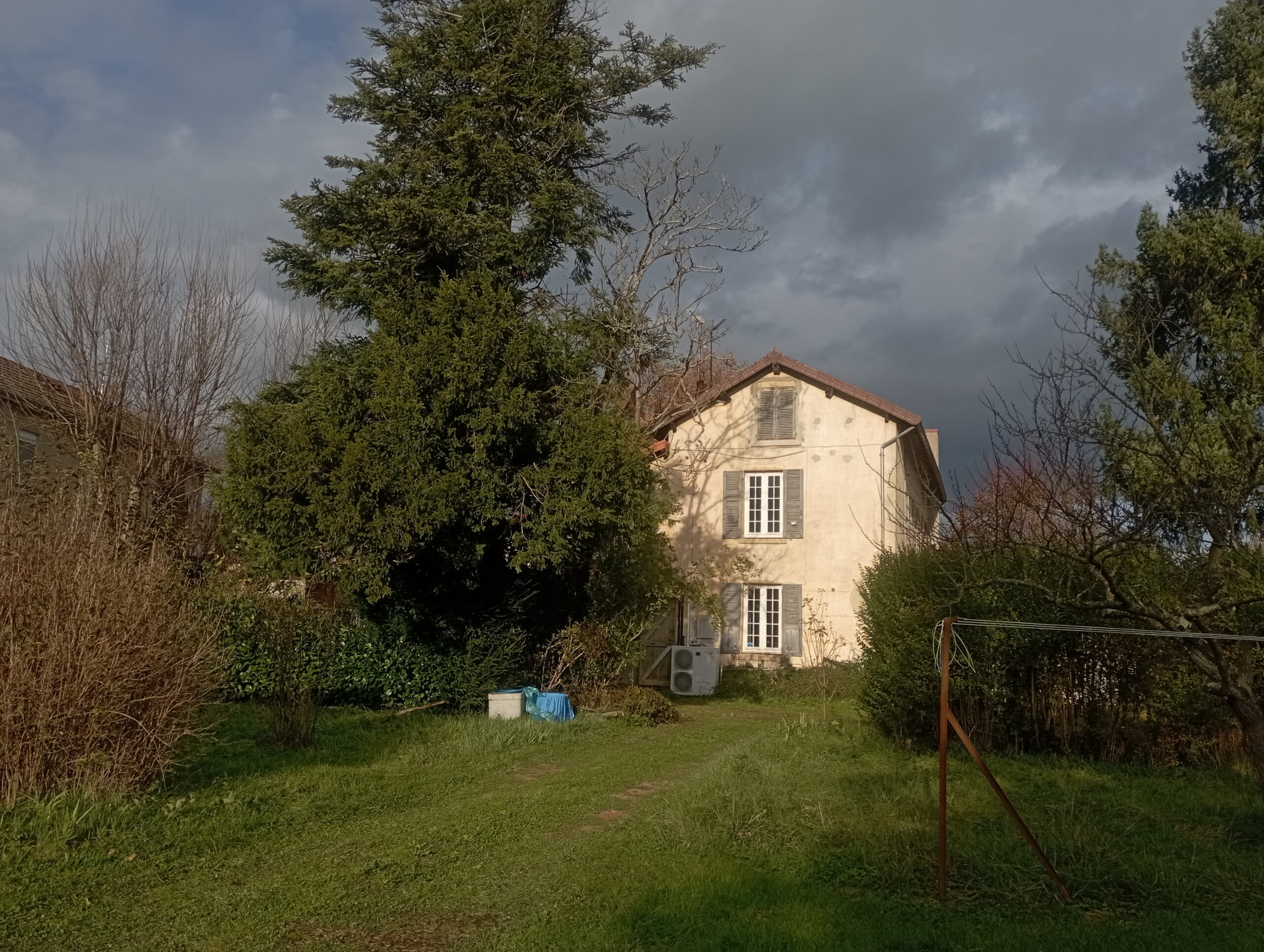
How to properly secure your property
Although many of us have the impression that idyllic rural locations and quiet residential neighbourhoods are free from crime, this is a mistaken perception that could cost you dearly...

Although many of us have the impression that idyllic rural locations and quiet residential neighbourhoods are free from crime, this is a mistaken perception that could cost you dearly if you do not take precautions.
Burglary causes considerable trauma for homeowners, not to mention the financial impact. However, there are several simple measures to protect your home, ranging from basic vigilance to the use of new technologies.
Securing the outdoors
Simple actions even before installing a CCTV system can help avoid the worst: not leaving DIY equipment or heavy materials lying around to tempt those with malicious intent. Likewise, pay attention to garage doors or garden shed doors. It is important to have good locks and to use them properly. Another useful tip is to mark your garden tools, especially the more expensive ones, using a UV pen. You can then recover them if the police find them. Finally, if you leave a ladder in your garden, think about securing it with a padlock to prevent it from making things easier for acrobatic burglars!
Doors and windows
Most burglars enter through the front door, back door or any ground floor window. It is necessary to pay particular attention to these areas, which must be properly secured to prevent any potential break-in.
Installing key locks that comply with French standards can provide another means of defence, particularly for ground floor windows or those that are easily accessible. External doors should be equipped with at least two locks, one of which should be a secure five-lever mortise lock or more.
Locks and keys
Never hide keys in a potted plant or under the doormat, even if your cleaner, friends or plumber is due to visit during your absence. Burglars know where to look and are themselves very imaginative when it comes to hiding places!
Do not hesitate to change the locks when you move into a new property. You do not know whether someone still has a copy of your keys?
Your keys should never be labelled with your address in case they are lost or stolen. Keys should also not be left within reach of a door or window. To avoid hiding or sending keys to guests or cleaners and reduce the risk of leaving doors unlocked, use a smart lock. Smart locks are digital locks controlled from an application on your phone. You can generate unique access codes for guests or cleaners for a given period.
Alarm
Installing an alarm can be an effective deterrent, but it will not prevent a burglar from entering. However, if you are the victim of an intrusion, it will draw attention to your property and, hopefully, cause a thief to flee.
CCTV
Former burglars have revealed they are less inclined to break into your home if you have a video surveillance system. Some systems even offer homeowners the ability to monitor their properties in real time using a dedicated application on their smartphone, tablet or PC.
Indoor cameras (such as Nest or Hive) are motion-sensitive and alert you to intruders when you are away. You can also see who is at your door when you are away using a video doorbell such as “Ring”. However, you must comply with data protection and privacy laws and ensure that external cameras do not look into neighbouring properties.
New technology
There is a wide range of gadgets for a “smart home” that allow you to monitor and control your home remotely, such as:
- Motion sensors that alert you when a door or window is opened
- Wi-Fi bulbs programmed to switch on and off at preset times using your phone or tablet, giving the impression that someone is home when you are not
- Smart plugs to switch the television or radio on and off remotely at certain times also give the impression that your holiday home is occupied
- Security lighting
- Using lights on timers so they stay on for a few hours in the evening while you are away could be enough to deter opportunists from making your home appear occupied
- Motion-activated security lights are also an essential deterrent for thieves.
A watchful eye
It is also wise to ask a neighbour or cleaner to visit your holiday home several times a week to check for any signs of damage or suspicious activity.
Safe
Install a safe to protect your valuables while you or your guests are at home. Locking it to a wall or concrete floor will make it less vulnerable to theft.