Living and buying property in Finistère
Finistère occupies the western end of Brittany, but there is much more to choosing a home here than heading towards the Atlantic. Its coast includes working ports, sheltered bays, seaside towns and headlands. Inland, wooded valleys lead towards small towns and the open country of the Monts d’Arrée. A property search can therefore begin with a very personal question: which part of this landscape would you like to belong to?
Some buyers arrive looking for a stone house with a garden and discover that they prefer the convenience of a town. Others start with a familiar holiday destination before finding a village a little inland. Finistère allows both approaches. For a permanent move, a second home or a place for extended stays, understanding its different areas will help you connect the property itself with the life around it.
Brest and the harbour: an urban base beside the sea
Brest offers the facilities and cultural life of a substantial city, together with a strong maritime identity. Its harbour setting, universities and waterfront districts give it a character quite different from a conventional seaside resort. The housing includes apartments in post-war buildings, townhouses and more recent developments. Depending on the neighbourhood, buyers might prioritise a walkable address, an outside space or a view towards the water.
The surrounding area provides other ways of remaining connected to the city. Around Plougastel-Daoulas, a house in the town and one on a smaller road towards the shore offer very different daily routines. Landerneau deserves attention in its own right, with its centre beside the Élorn and its local cultural life. It can appeal to buyers who want a recognisable small-town setting rather than a suburban address. The choice is about where you would naturally shop, meet friends and spend an ordinary afternoon.
Northern Finistère: Roscoff, the Léon and Morlaix Bay
The Léon combines cultivated countryside with coastal towns and villages. Saint-Pol-de-Léon and Roscoff make useful starting points for exploring it. The former offers a small-town framework, while the latter has a particularly strong port identity. A home in either centre can place everyday outings close at hand; a house in the surrounding countryside gives more emphasis to the garden and the landscape.
Morlaix introduces another setting, with its rising streets, historic houses and prominent viaduct. Around the bay, Carantec, Plougasnou and Locquirec suggest different ways of living near the coast. A holiday buyer may value an easy walk to the shore, while someone settling permanently might prefer a village centre where the house is part of local life. Looking just inland is also worthwhile. The sea can remain a regular pleasure without needing to be visible from every window.
Quimper and southern Cornouaille
Quimper provides an appealing introduction to the south of the department. Its historic centre, cathedral, shopping streets and riverside walks sit within a living city, with residential neighbourhoods beyond. An apartment in the centre suits a buyer seeking an easy base for longer stays. A house outside the central streets may provide room for a garden, a study or visiting family while keeping the city part of everyday life.
Further south, the Pays Bigouden has its own mixture of fishing ports, towns and coastline. Pont-l’Abbé, Le Guilvinec and Loctudy are useful places to explore, each with a different relationship to the sea. Buyers might find their starting point in a harbour neighbourhood, a village house or a residential area a short distance from the waterfront. This is a part of Brittany where the working coast contributes as much to the atmosphere as the beaches.
Concarneau combines a recognisable historic setting with the life of a town and port. Pont-Aven offers a smaller scale around its river and artistic associations. For a property search, these differences matter more than a list of attractions. A place that is enjoyable for a few hours can become even more appealing when its streets, shops and surrounding countryside fit the way you would like to spend several months of the year.
Douarnenez, Cap Sizun and the Crozon peninsula
Douarnenez has a distinctive port character and neighbourhoods that reward time on foot. A townhouse or apartment may suit buyers who want to step outside into local life. Beyond the town, Cap Sizun offers villages, farmland and headlands where the landscape becomes an important part of the search. A stone house, a sheltered garden and access to walking routes can be the combination that makes a property feel right.
Crozon is another area to explore on its own terms. The town, Morgat and Camaret-sur-Mer share the peninsula but offer different surroundings. For a holiday home, the beach, harbour or coastal paths may be the main attraction. For year-round living, the location of everyday services and the village’s social life become equally relevant. Two houses with similar accommodation can therefore suit very different buyers, depending on where they sit within the peninsula.
Inland Finistère: room for another kind of life
Around Huelgoat and the Monts d’Arrée, the scenery changes to woodland, moorland and open horizons. The areas around Châteaulin and Carhaix offer further possibilities for buyers interested in small towns and the countryside. A village house, former farmhouse or home with outbuildings may support plans that require more room: gardening, creative work, family gatherings or simply a quieter daily setting.
Choosing inland does not necessarily mean choosing isolation. The relationship between a house and its nearest village can be one of its strongest qualities. A market, local club or familiar café often provides the small connections that make settling in enjoyable. A hamlet address might offer company nearby, while a property standing alone places greater emphasis on its land and outlook. Both can be attractive, but they create quite different experiences of country living.
Understanding the property styles
Stone walls and slate roofs are part of the familiar image of Finistère, alongside houses from later periods and contemporary apartments. A longère is an elongated rural house, often valued for its connection to the garden and its possibilities for generous living space. A village house may offer a more compact outside area and an easy relationship with shops and neighbours. Coastal homes range from modest cottages to larger villas, with the position of the living rooms and terraces often shaping their appeal.
Rather than choosing solely by architectural label, think about how you will occupy the house. A kitchen where everyone can gather may matter more than an additional reception room. Space for bicycles, sailing equipment or walking boots can make holidays easier. For a permanent move, a quiet room for work and accommodation for guests may be priorities. These details turn an attractive building into a home that supports the life you have in mind.
Making Finistère your own
The department rewards a property search that leaves room to explore. Comparing a neighbourhood near Quimper, a northern coastal village and an inland market town can reveal which qualities matter most to you. It also provides a fuller understanding of what your preferred style of property might look like in different surroundings.
Browse Sextant’s properties in Finistère and share your plans with a property consultant. Whether you hope to move permanently or return for holidays, your preferred area, budget and everyday priorities will help shape a useful selection. The aim is to find a home whose surroundings continue to please you after the viewing, when a favourite walk, a regular market and a familiar stretch of coast have become part of your own routine.
Properties for sale in Finistère
Showing 8 of 25 available properties
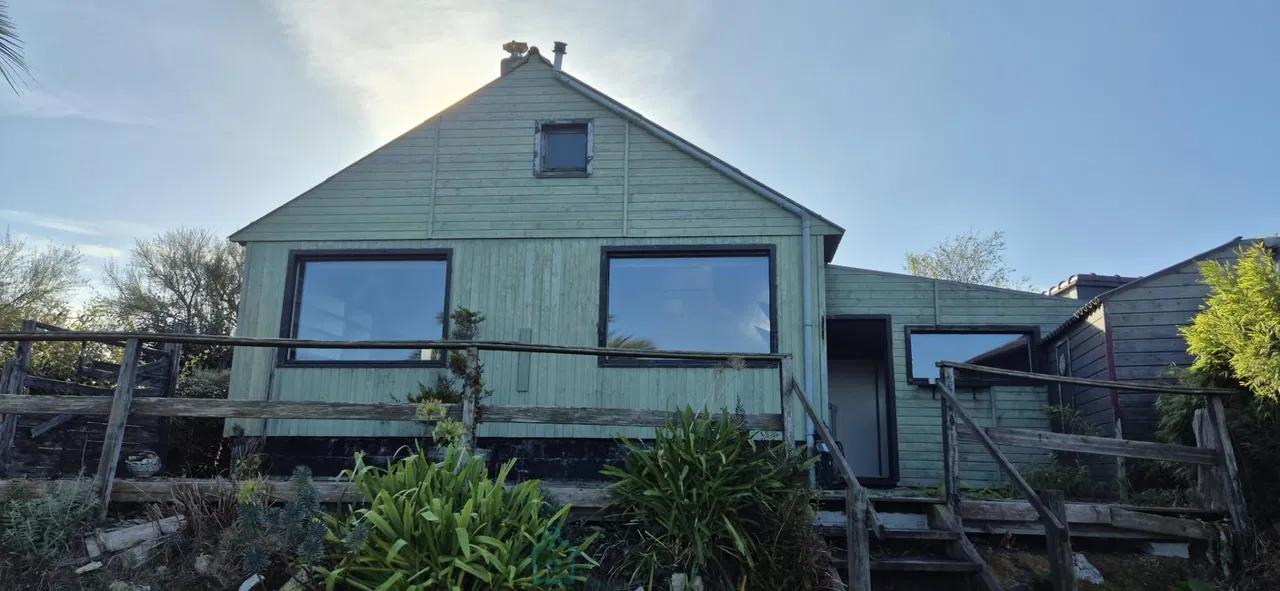
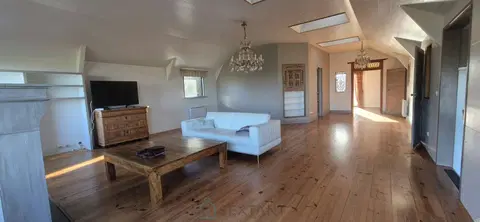
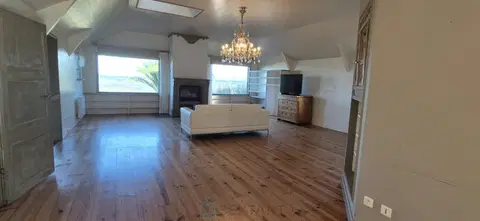
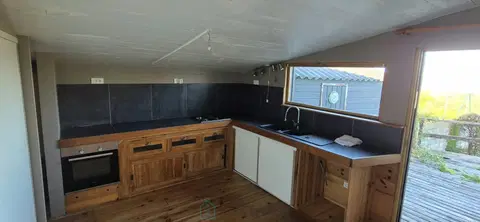
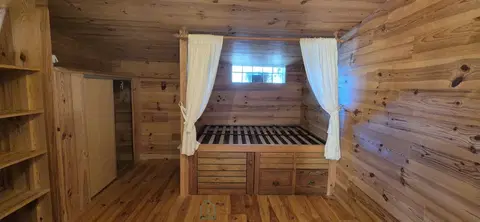
CROZON – Exceptional view over Goulien & the Tas de Pois – 135 m² house
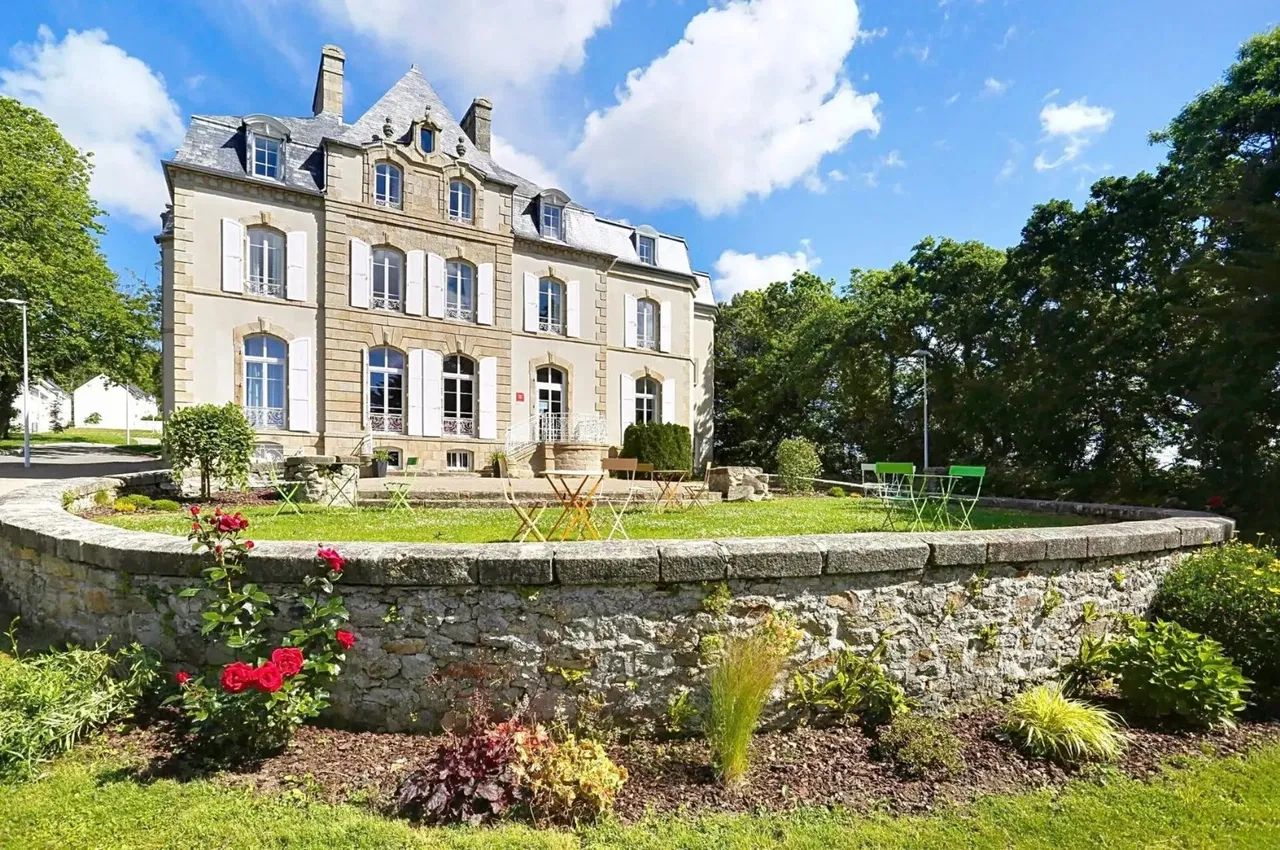
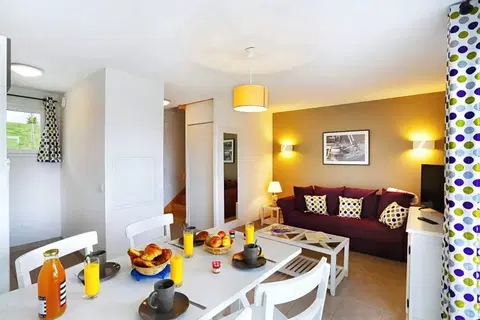
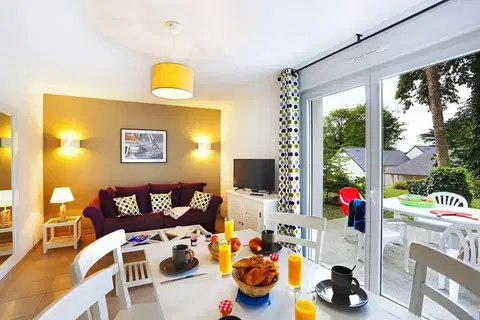
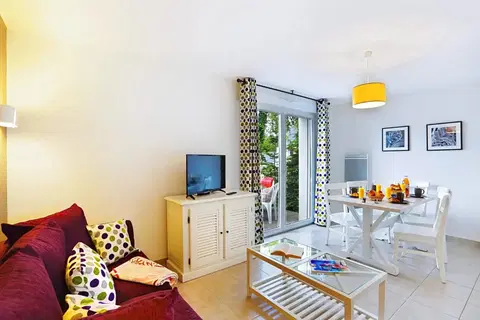
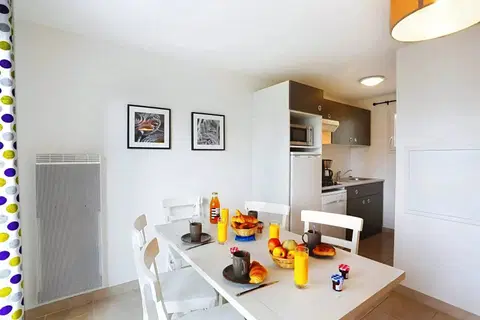
RENTAL INVESTMENT – Audierne – Le Domaine de la Baie Tourist Residence - 5.48% return
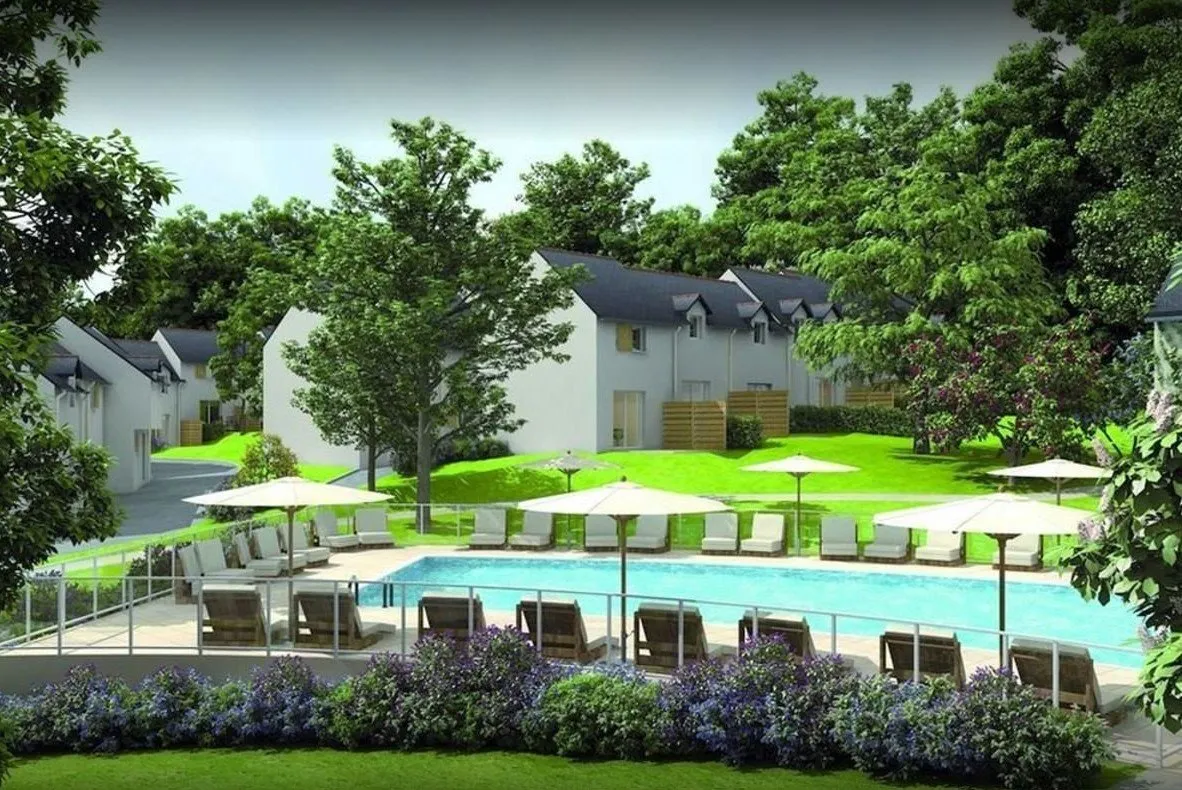
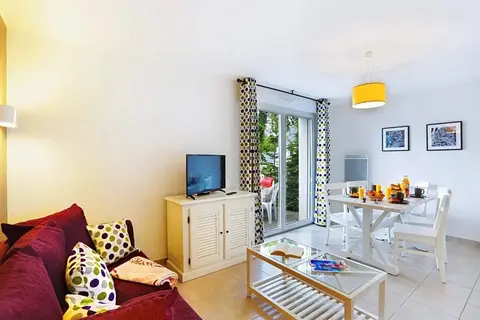
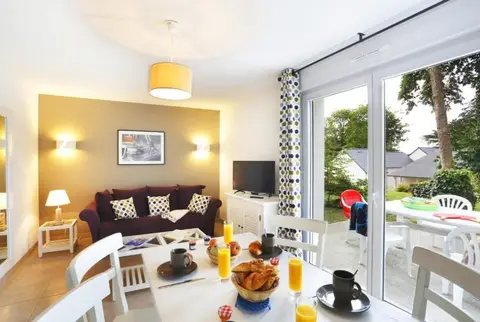
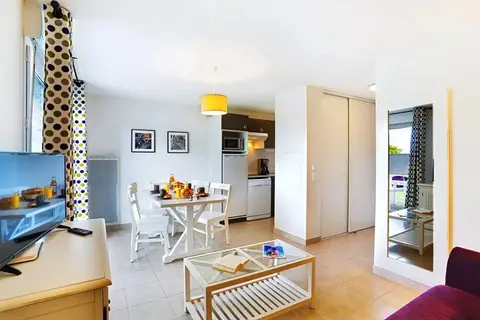
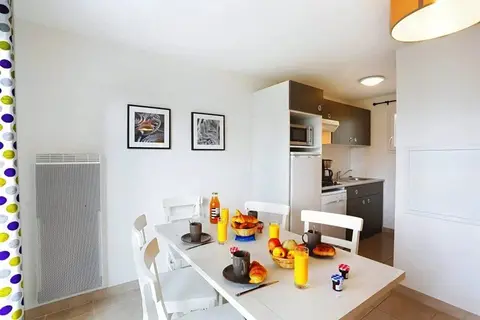
RENTAL INVESTMENT – AUDIERNE – Domaine de la Baie Tourist Residence – 5.54% return
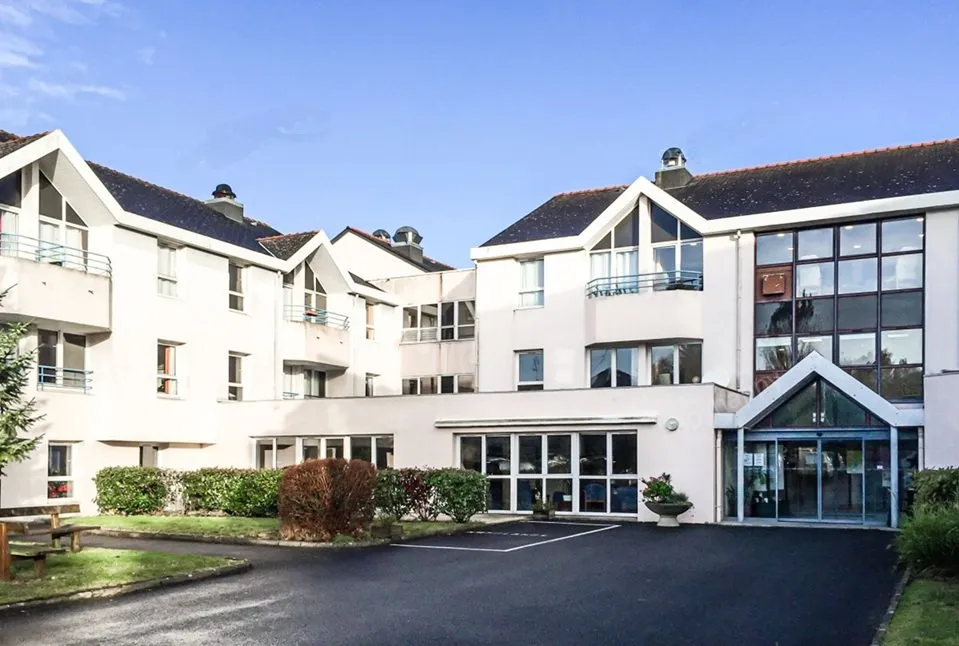
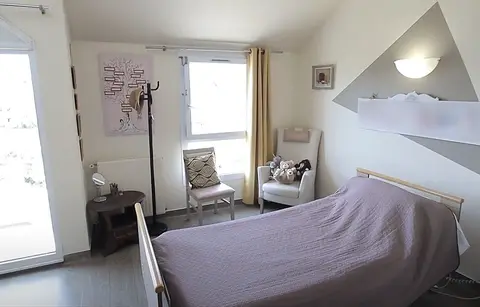
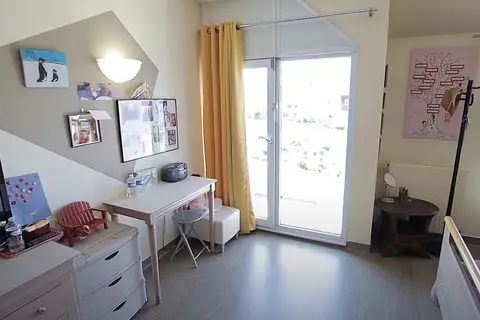
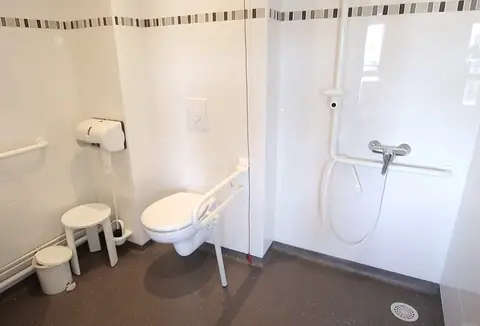
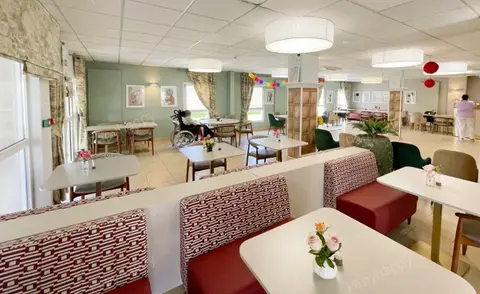
RENTAL INVESTMENT – Brest – Manon Nursing Home Residence – 7.87% return
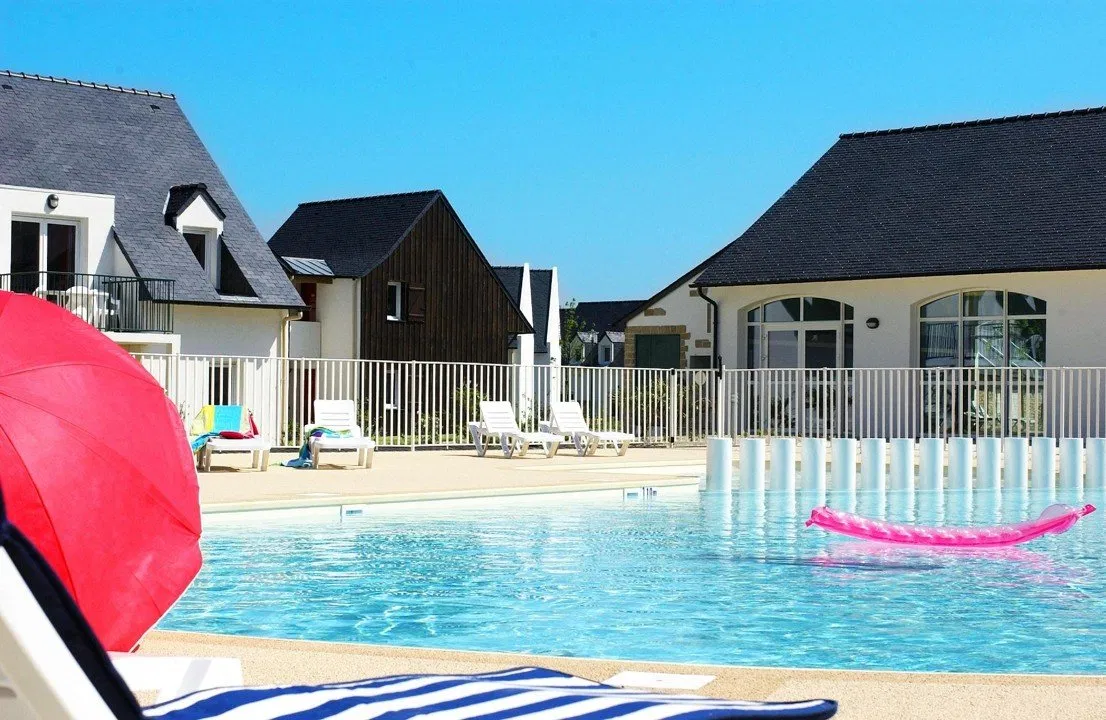
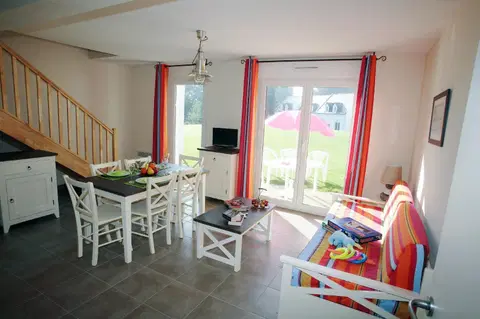
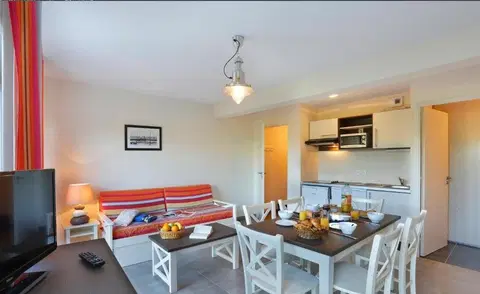
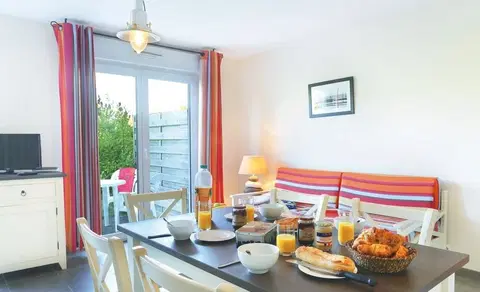
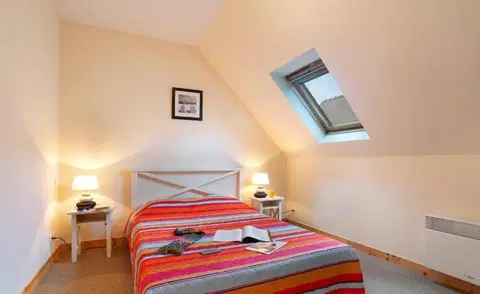
RENTAL INVESTMENT – SAINT POL DE LEON – Goelia Les Roches Residence *** - 6.51% return
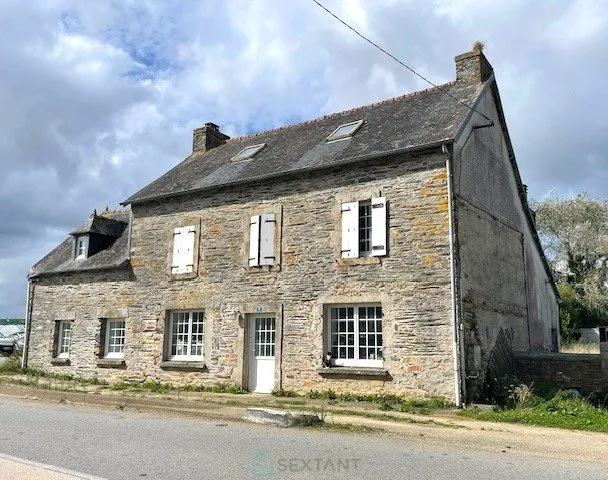
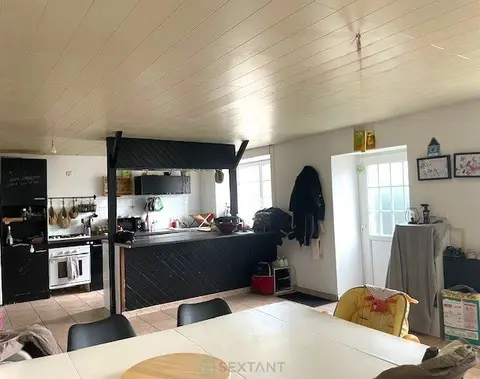
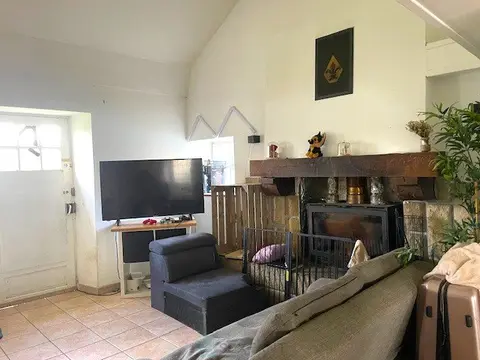
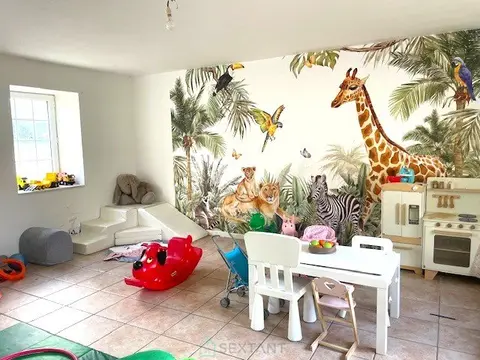
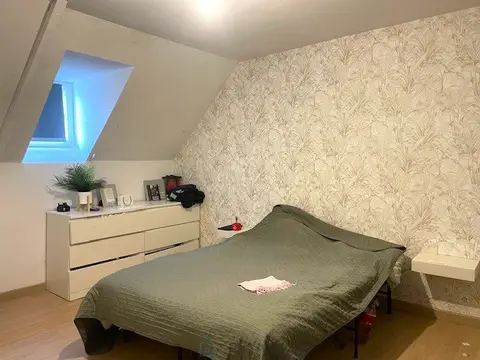
maison · SAINT THOIS
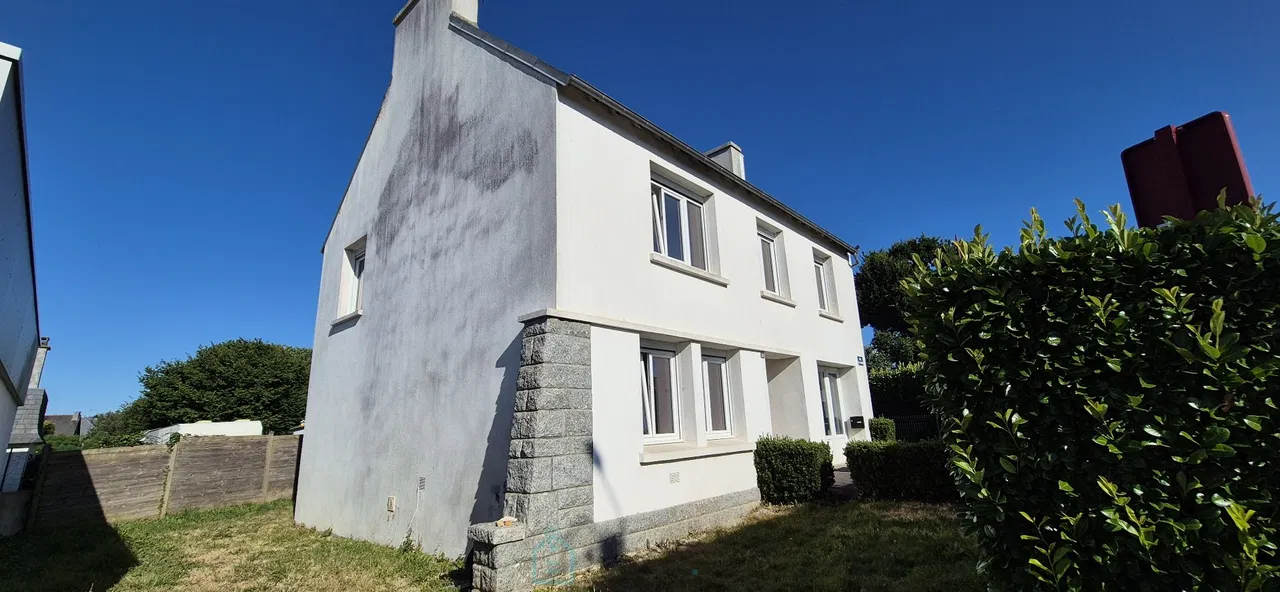
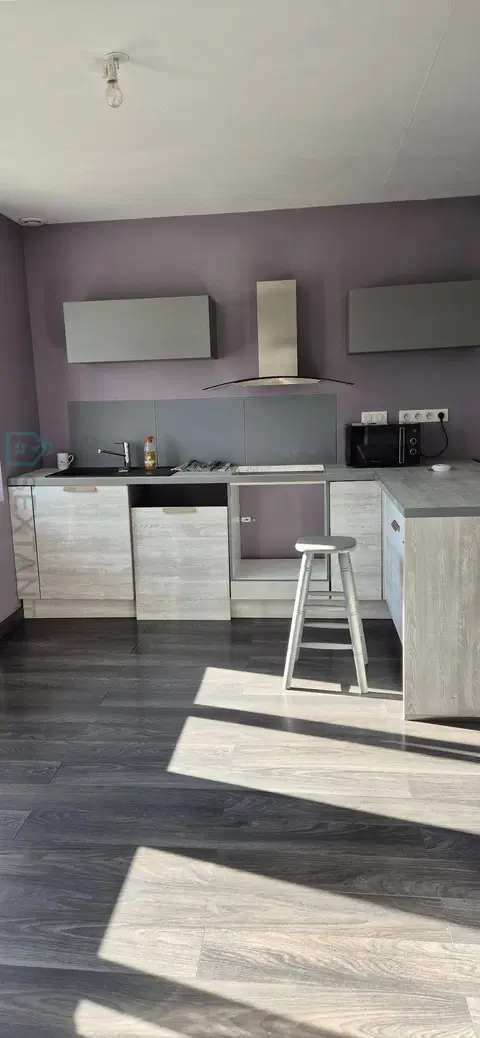
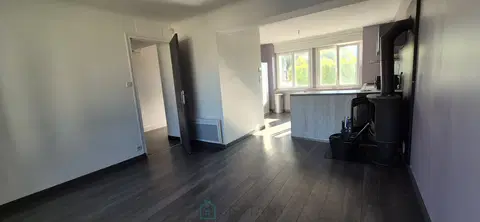
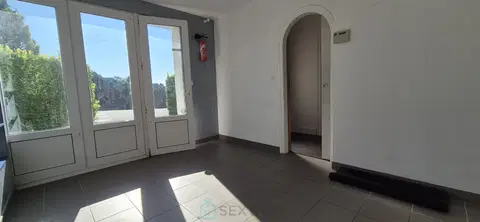
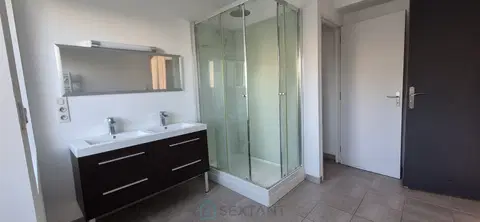
Family house with 5 bedrooms + office – Briec-de-l’Odet (29510)