Living and buying property in Hauts-de-Seine
Hauts-de-Seine follows the western side of Paris through a succession of towns whose identities are more varied than a map of the capital’s surroundings might suggest. Dense urban centres give way to residential streets, wooded slopes and bends in the Seine. An apartment close to a working district, a house near an established town centre and a home beside a park belong to quite different ways of living. That variety makes the department worth exploring in its own right.
For buyers moving to the Paris region, the attraction often lies in combining a particular professional or family location with the kind of home they want. Overseas purchasers seeking a regular base may instead value a comfortable apartment and a neighbourhood where everyday routines feel straightforward. In both cases, the search benefits from choosing a few communes carefully, then examining the streets and buildings within them. A department-wide description can introduce the possibilities, but the right address is a more personal discovery.
Boulogne-Billancourt: several urban settings within one town
Boulogne-Billancourt offers an established urban environment with distinct residential areas. Its northern streets, central shopping areas and more recent districts around the former industrial sites provide different architectural settings. Older apartments, houses in selected streets and newer residences can all enter a search. The decision is often less about choosing a single period of building than finding a home whose layout and surroundings suit daily life.
Boulogne also has an architectural identity that predates its contemporary riverside districts. The town’s Années 30 walking route introduces buildings from an unusually creative period, when architects experimented with the private house as well as larger civic projects. For a buyer interested in design, this gives a viewing trip another dimension: the character of a street can matter as much as the age recorded in a property description. Towards the Seine and Île Seguin, the landscape tells a later story, while the northern side of town looks towards the Bois de Boulogne.
Issy-les-Moulineaux, Vanves and the southern urban edge
Issy-les-Moulineaux combines older streets with more recent residential and working environments. Apartments can offer different arrangements of indoor and outdoor space, while some neighbourhoods include houses and smaller buildings. For a buyer whose plans involve the south-west of Paris, choosing the immediate location can be particularly useful. The journey you make most often, the shops you prefer and the atmosphere you enjoy after work help bring the shortlist into focus.
Vanves and Malakoff offer their own town-centre life and residential streets. A modest house with a courtyard may meet a wish for some outdoor independence; an apartment can provide a more compact arrangement close to local activity. These are places to explore on foot, noticing the relationship between the quieter streets and the centres around them. The home that suits a family move may differ from the one chosen for occasional stays, even when both are within the same commune.
Neuilly, Levallois and the northern Seine bend
Neuilly-sur-Seine and Levallois-Perret provide other urban settings close to Paris. Buyers may compare older apartments with more recent residences, looking at living-room proportions, natural light and the outlook from the windows. A larger apartment can be appealing for a long-term move, but a smaller home with well-separated rooms may also offer a comfortable balance. The street, floor and orientation can make a considerable difference to the feel of an individual property.
Further along the Seine, Asnières-sur-Seine, Bois-Colombes and Colombes widen the range of neighbourhoods and housing forms. Some searches focus on apartments near a centre; others on houses in residential streets. The presence of a garden may become a priority for families, while an overseas buyer making regular visits may prefer a compact home with shops nearby. Comparing those alternatives helps avoid assuming that all western suburbs offer the same kind of daily life.
Courbevoie, Puteaux and the relationship with La Défense
La Défense is an important geographical reference, but the surrounding communes are also places with their own centres and residential neighbourhoods. Courbevoie and Puteaux include settings that differ from the image of the business district. A buyer moving for work may begin with that destination, then discover a preference for a particular street, an older building or a more recent apartment with outdoor space.
It is useful to make the journey between a shortlisted home and the places you expect to visit regularly. This gives practical meaning to a location and leaves room to notice the surroundings. A view towards the river, a local square or a familiar shopping street may become part of the attraction. For a permanent home, room for everyday possessions and a comfortable area to work can matter as much as a striking first impression.
Rueil-Malmaison, Suresnes and the western slopes
Rueil-Malmaison offers a different range of settings, from its centre to residential areas and neighbourhoods closer to the Seine. Houses with gardens enter the picture alongside apartments, allowing a search to reflect several stages of family life. Some buyers want the sociability of a central address; others prefer rooms opening onto their own outdoor space. Looking at how a property sits within its street helps clarify which it offers.
Suresnes rises towards Mont Valérien, giving the town changing levels and outlooks. Its Cité-jardins adds a more particular chapter to this landscape: housing was planned together with greenery and community facilities, rather than as isolated buildings. The neighbourhood is part of the history of social housing, not an indication of properties available to buy, but it helps explain the town’s residential character. A search around Suresnes can therefore take in both hillside addresses and streets whose appeal comes from a coherent architectural setting. That distinction is more revealing than describing the whole commune simply as leafy.
Sceaux, Meudon and the wooded south
Sceaux is often considered through the relationship between its residential streets, centre and park. An apartment may suit buyers wanting a manageable base; a house can create more room for a family. In Meudon, the relief and wooded surroundings contribute to another set of neighbourhoods. Clamart, Chaville and neighbouring communes extend the choice, with older houses, apartments and more recent homes in different settings.
For those who want greenery to be part of their routine, it helps to distinguish a private garden from access to a larger park or woodland. Both can be attractive, but they bring different uses to a home. One supports gardening and meals outdoors; the other may make walks a regular part of the week. A clear preference can guide the search more effectively than simply asking for a green environment.
Bringing the location and the home together
The strongest shortlist usually begins with a few concrete priorities: the places you need to reach, the atmosphere you enjoy and the spaces you want within the property. Check current journey arrangements for the exact locations involved and leave time to explore between viewings. Hauts-de-Seine rewards this close attention, because its appeal lies in the differences between its towns and neighbourhoods.
Browse the homes offered by Sextant and describe the balance you want between urban life, interior space and outdoor surroundings. A property consultant can help focus the next stage on addresses that reflect your plans, whether you are establishing a permanent home or a regular base in the Paris region.
Properties for sale in Hauts-de-Seine
Showing 8 of 35 available properties
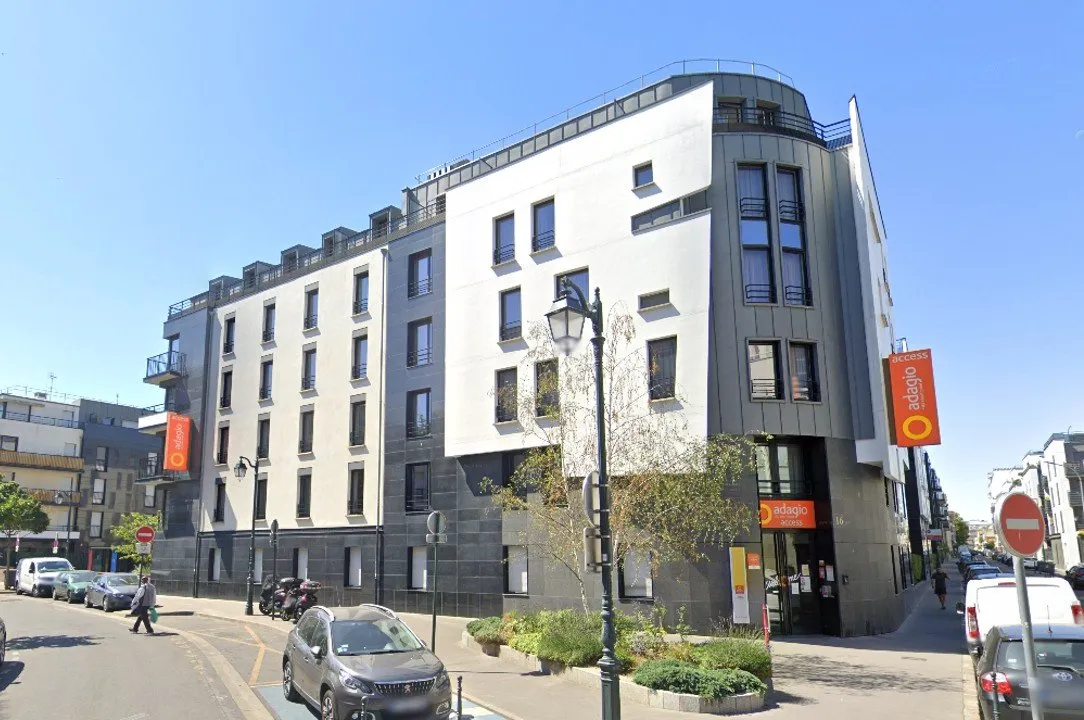
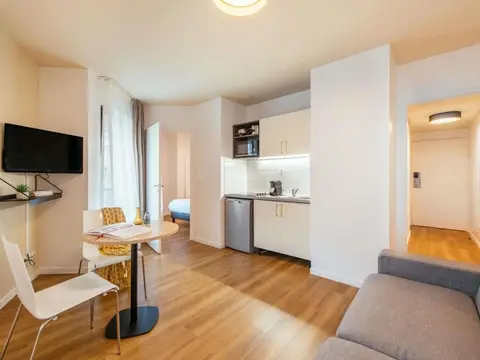
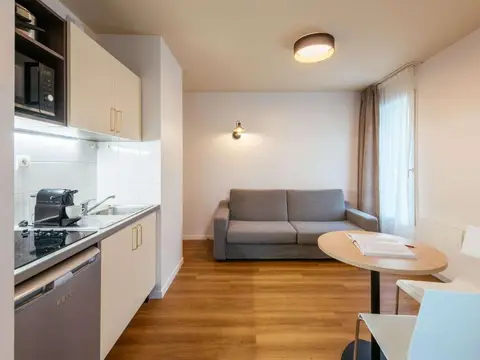
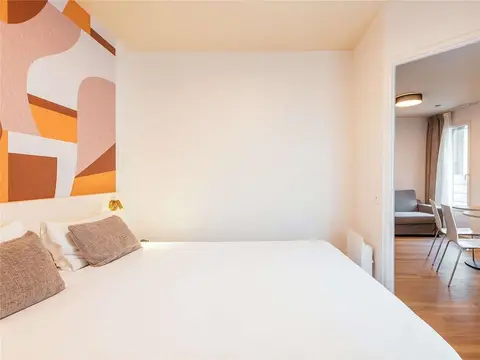
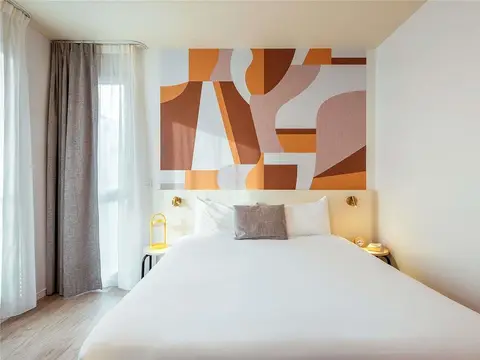
RENTAL INVESTMENT – Asnieres-sur-Seine – Adagio Aparthotel Access Paris Asnieres Business Residence - 6.55% profitability
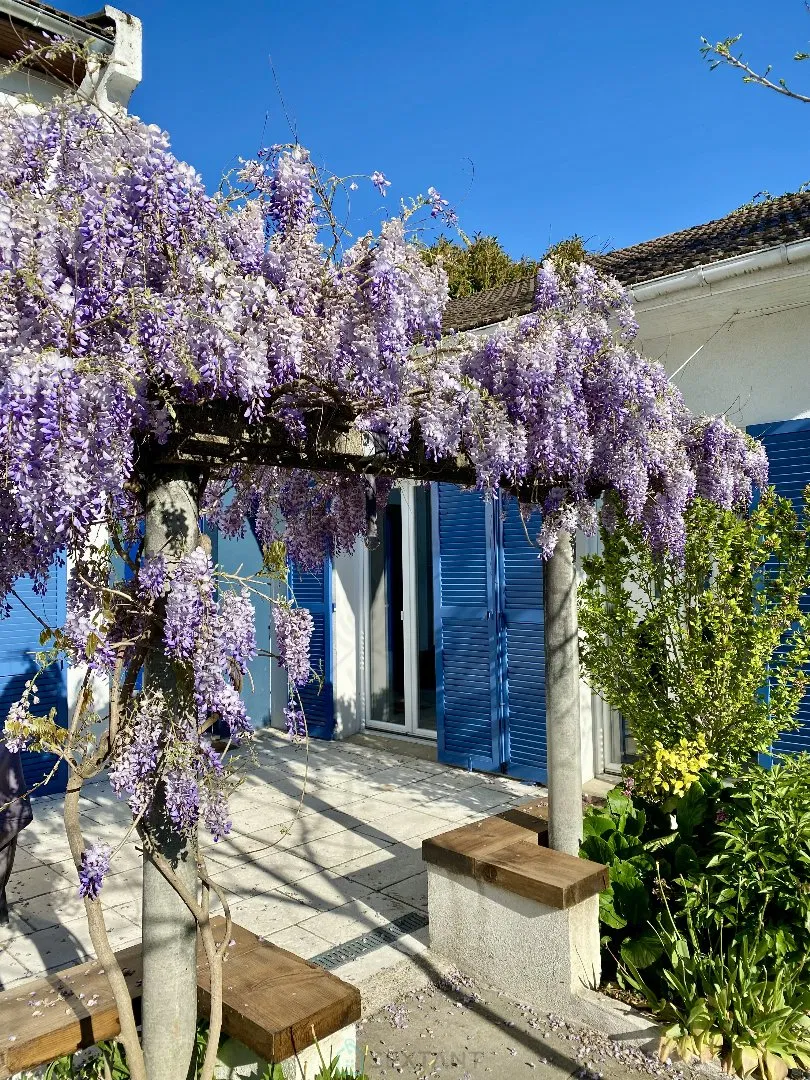
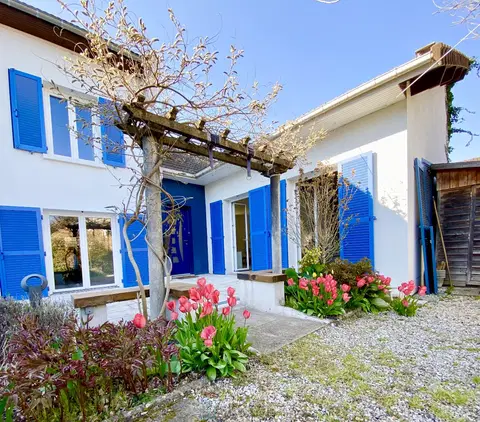
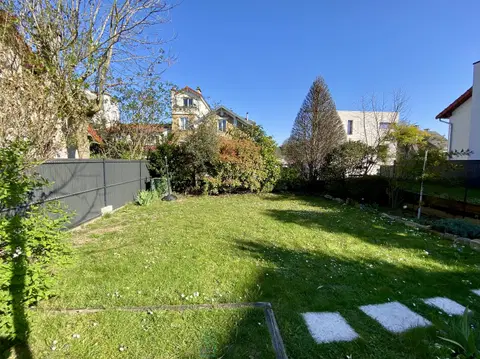
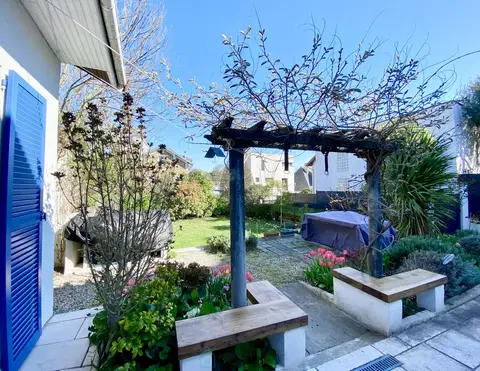
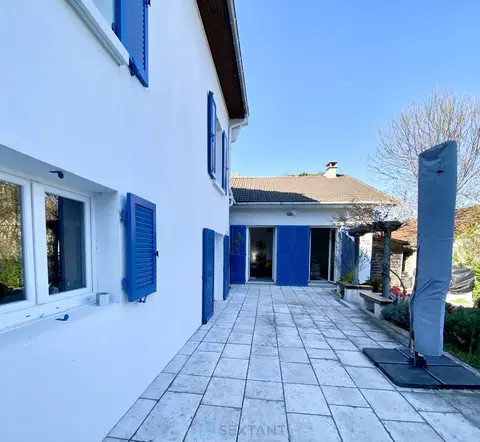
131 m2 House 4 bedrooms 421 m2 plot
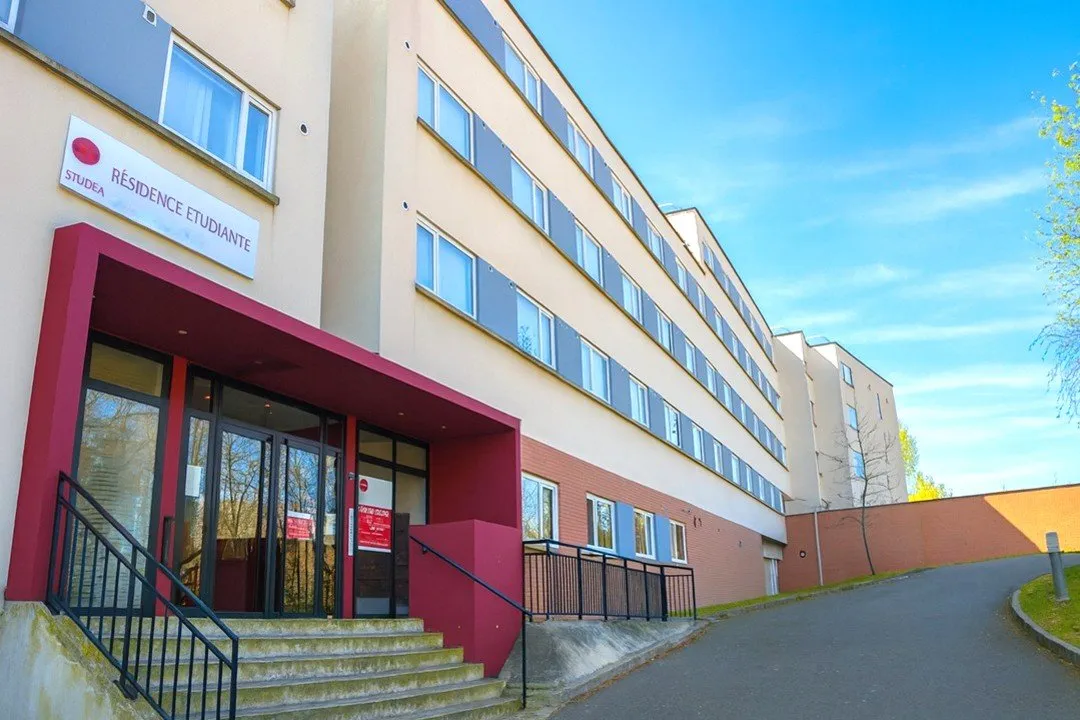
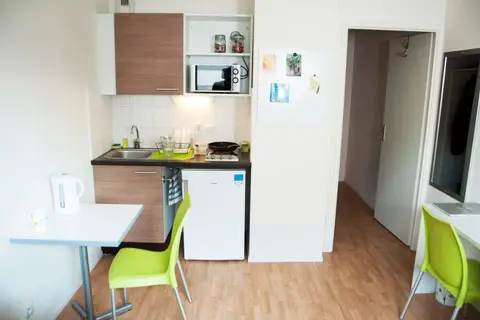
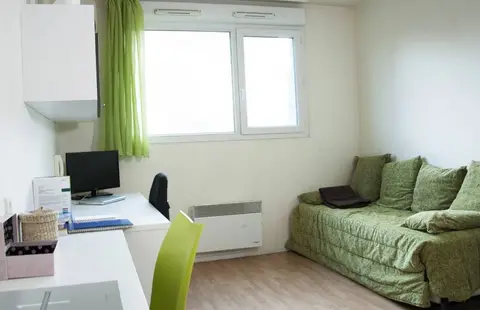
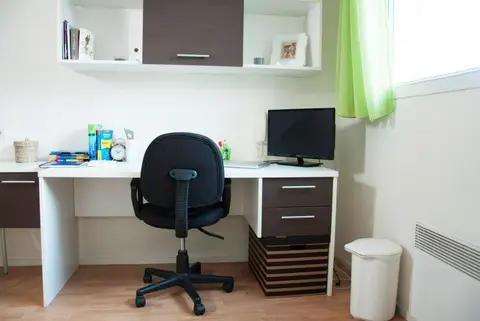
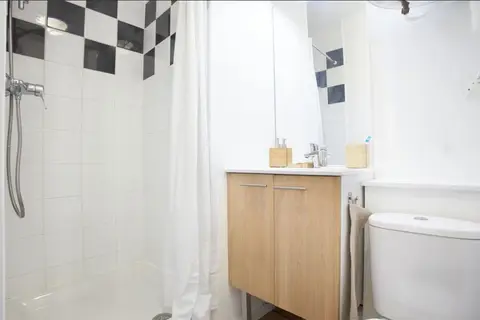
RENTAL INVESTMENT – SEVRES – Nexity Studea Sevres Student Residence - 6.37% profitability
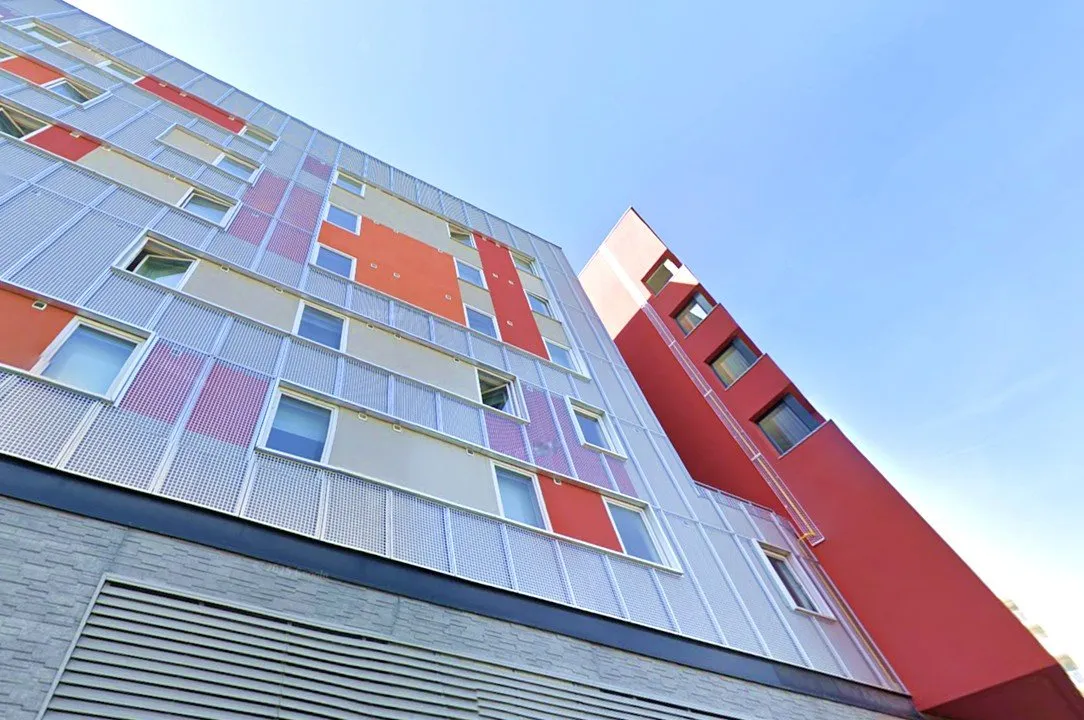
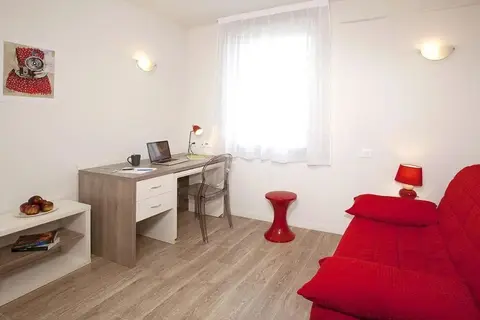
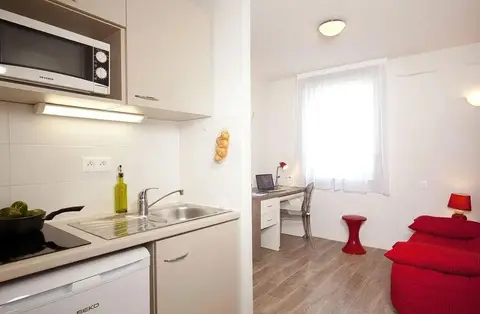
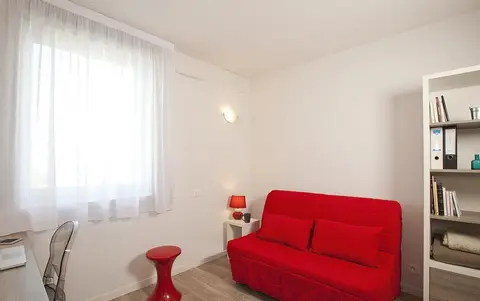
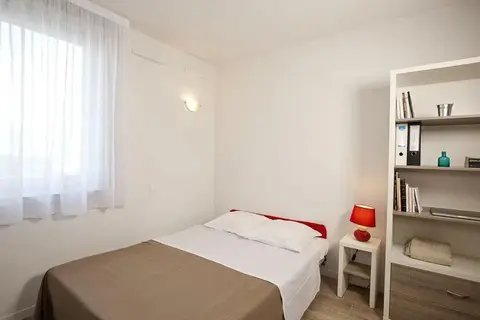
RENTAL INVESTMENT – Nanterre – Les Estudines Nanterre University Student Residence – 6.77% return
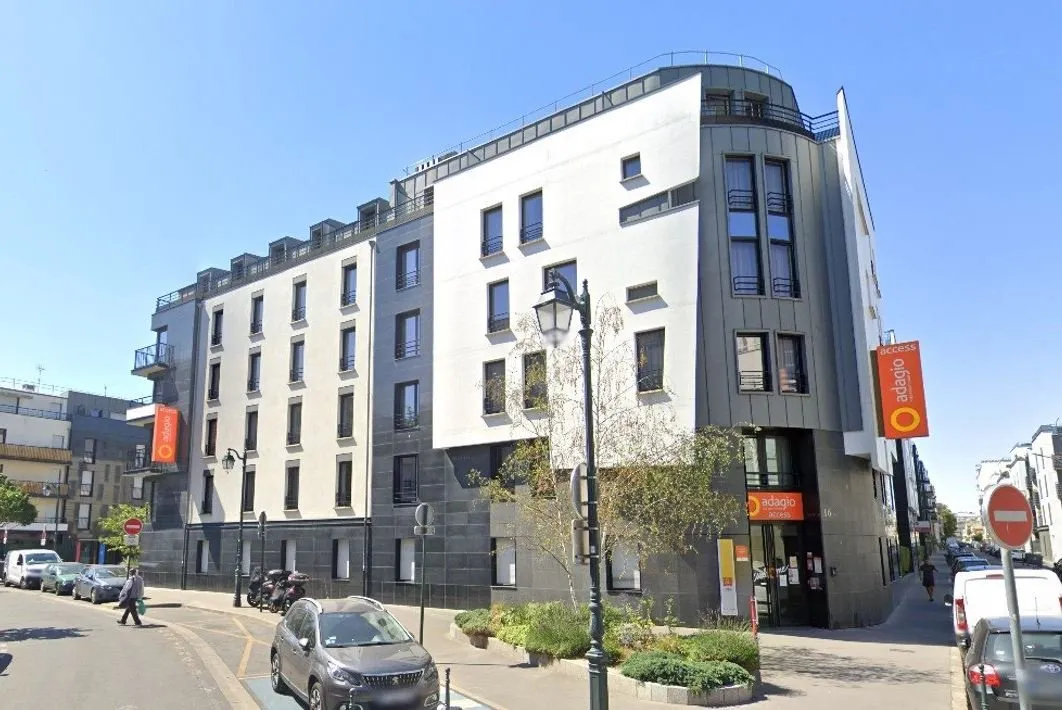
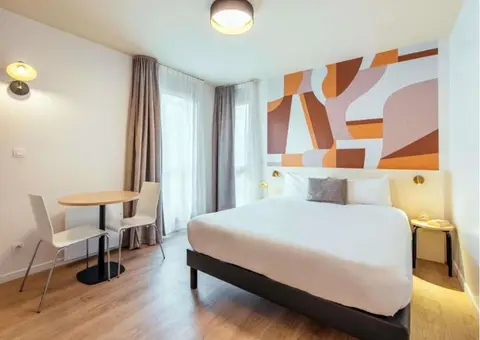
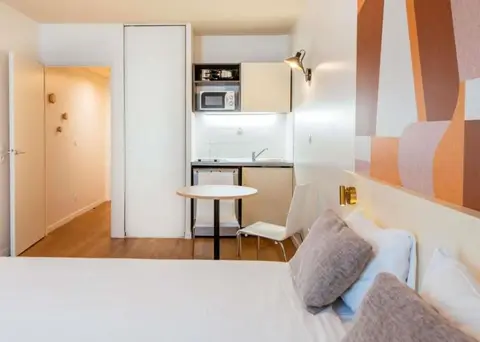
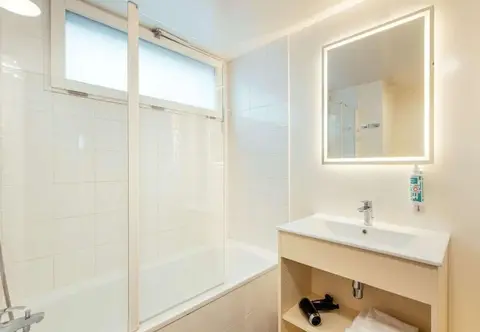
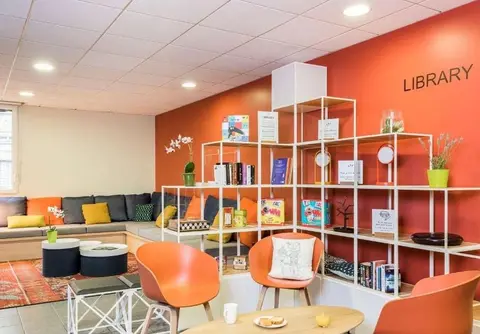
RENTAL INVESTMENT – Asnieres-sur-Seine – Adagio Access Paris Asnieres Business Residence - 5.52% return
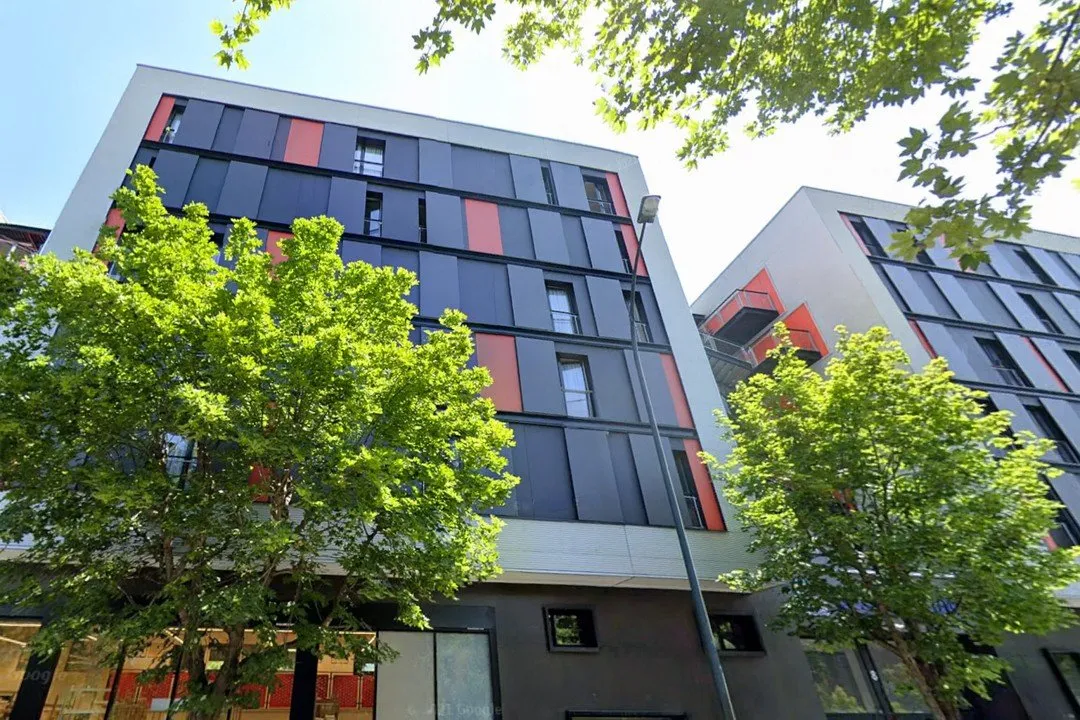
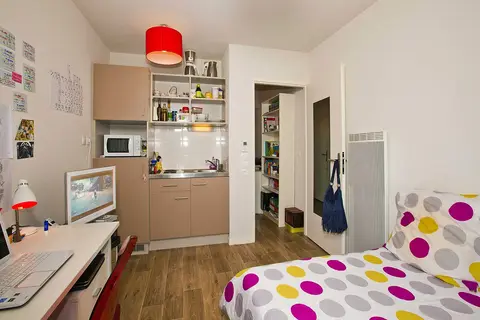
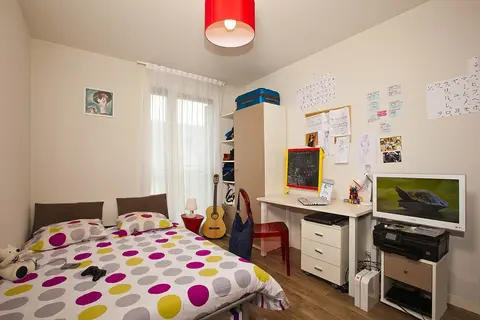
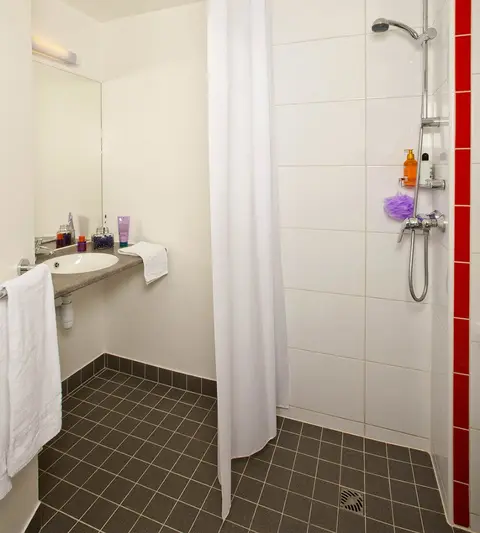
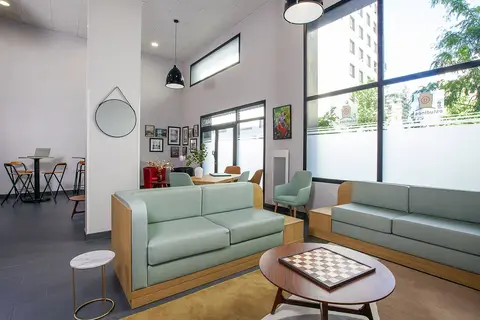
RENTAL INVESTMENT – Asnieres-sur-Seine – Les Estudines Sarah Bernhardt student residence – 5.35% profitability
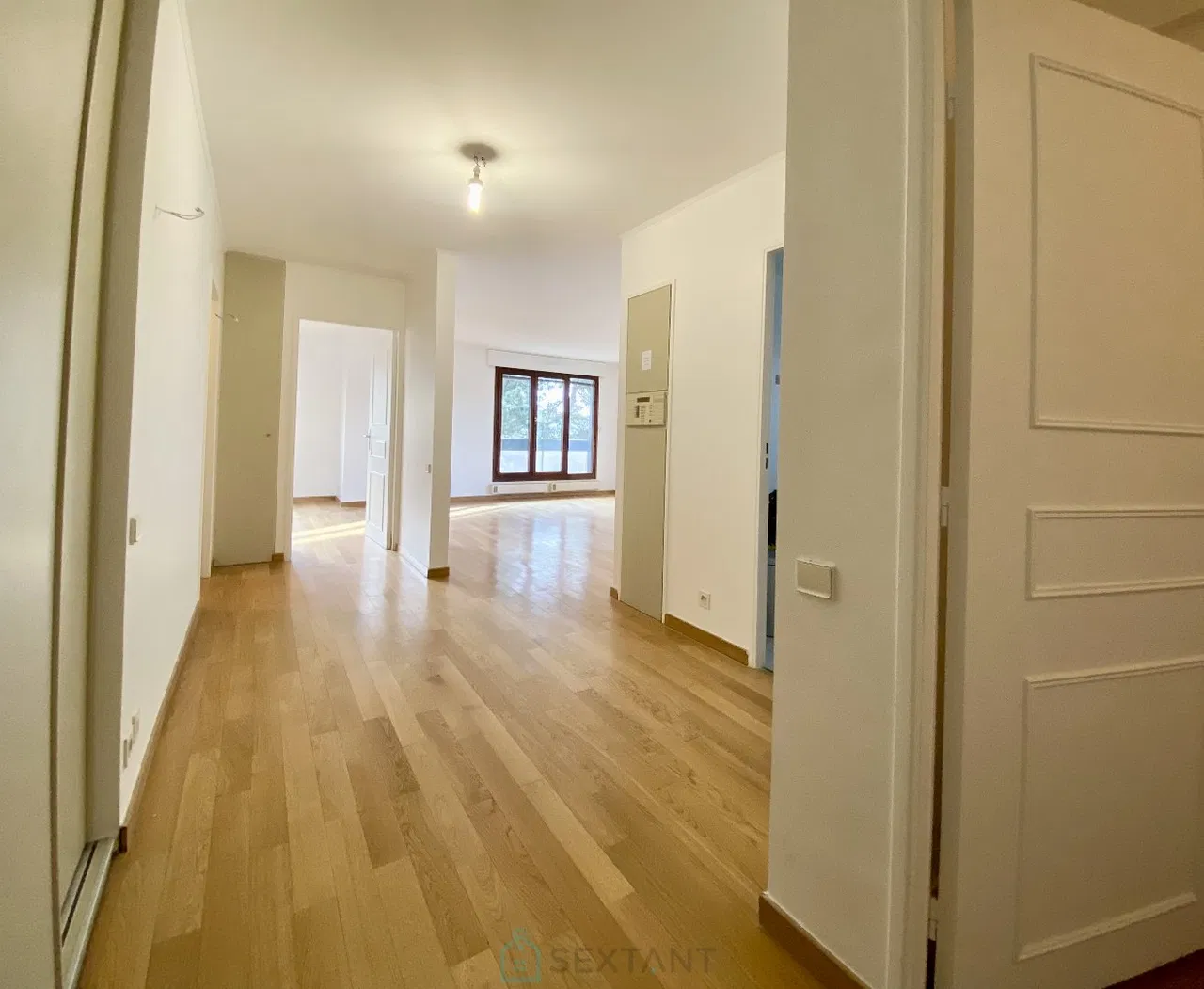
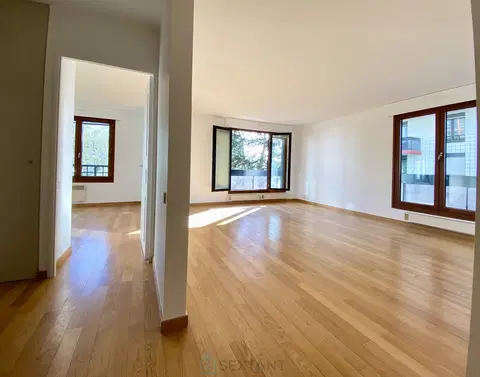
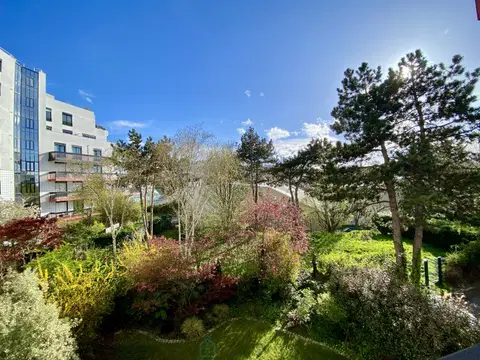
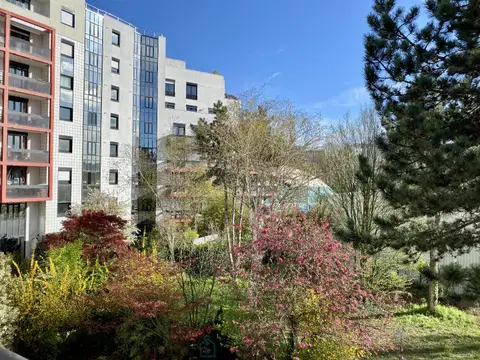
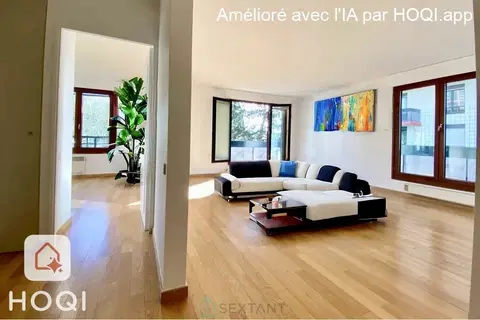
appartement terrasse · ISSY LES MOULINEAUX