Living and buying property in Paris
A Paris home begins long before the apartment door. It begins in the street where you buy bread, in the square you cross on the way home and in the café where the surroundings gradually become familiar. The city’s celebrated buildings are part of its appeal, but buying here is also an opportunity to find a smaller, more personal Paris. A neighbourhood that suits your habits can matter as much as a handsome reception room or a view across the rooftops.
For an overseas buyer, the possibilities range from a compact base for regular visits to a family apartment for a permanent move. Older buildings, more recent residences and occasional houses offer different combinations of character, space and outdoor living. The first useful decision is how you intend to spend your time here. A home chosen around museums and evenings out may lead to a different address from one organised around work, schools or a quieter daily routine.
Central Paris and the pleasure of walking
Around the Palais-Royal, the Louvre and the older streets of the Marais, the city reveals itself through courtyards, passages, gardens and successive changes of scale. An apartment in these areas can make walking a central part of a stay. There is particular pleasure in leaving home without a detailed itinerary and finding that a gallery, a bookshop or a familiar lunch spot lies along the way.
The buildings themselves reveal successive layers of Paris. In the Marais, older houses and former mansions create a different setting from the aligned stone façades of the great boulevards. Behind a street entrance, a succession of courtyards can make an apartment feel removed from the public city. Exposed beams, an irregular plan or windows facing another wing give each home its own scale. Along a boulevard, taller windows and a more formal sequence of rooms may produce a quite different interior. These contrasts are part of the pleasure of viewing central Paris: the period and position of the building shape the experience as much as the street name.
The Left Bank, from familiar landmarks to residential streets
Saint-Germain-des-Prés and the Latin Quarter offer a setting where cafés, bookshops and historic streets remain part of the experience. Near the Luxembourg Gardens, an apartment may appeal through its relationship with an outdoor place to which you would return often. Further towards the Jardin des Plantes, the atmosphere changes again, with different streets and neighbourhood routines to explore.
The Left Bank extends well beyond these familiar names. Around Montparnasse, the residential streets of the 14th arrondissement and the varied districts of the 15th, buyers can compare older apartments with homes in more recent buildings. Some searches centre on generous living space; others on a balcony, a practical layout or proximity to a particular activity. It is worth walking several routes around a shortlisted address. The neighbourhood experienced during an ordinary morning can reveal qualities that a brief evening visit misses.
Western Paris: proportion, greenery and family space
The 7th, 8th and 16th arrondissements contain very different streets, from prominent avenues to more intimate residential settings. Buyers drawn to traditional Parisian apartments may appreciate reception rooms with tall windows, parquet floors and a clear separation between shared and private spaces. Elsewhere, more recent buildings can offer alternative layouts and outdoor areas. Each property needs to be considered on its own merits rather than through the reputation of its arrondissement alone.
Towards Auteuil and Passy, the relationship with local shopping streets and the Bois de Boulogne may become part of a family search. Around Parc Monceau and into the 17th, the setting changes again. A home intended for longer stays benefits from rooms that support several activities at once: working quietly, welcoming friends and allowing others to rest. A beautiful sequence of reception rooms is appealing, but the smaller practical spaces often determine how easily the apartment works as a home.
Northern Paris: village streets and changing perspectives
Montmartre has an immediately recognisable landscape, yet life around the hill differs from street to street. Some addresses are closely connected with its visitor landmarks; others lead towards residential lanes and local shopping streets. A viewing should therefore include the surroundings as well as the apartment. The slope of a street, the route home and the outlook from the windows help explain the actual experience of living there.
The Batignolles and neighbouring parts of the 17th offer another perspective, with older streets alongside more recent urban settings. Around the Canal Saint-Martin, the water and its banks give familiar walks a particular character. These areas may interest buyers who want neighbourhood life to be prominent in their Paris experience. Compare the atmosphere at the times you expect to be at home, then consider whether the apartment’s interior gives you the balance of activity and privacy you want.
Eastern Paris: an individual choice of neighbourhood
Around Bastille, the Faubourg Saint-Antoine and the streets towards Nation, Paris presents a mixture of older residential buildings and traces of its workshop history. Some properties appeal through unusual volumes or courtyard settings; others through a straightforward arrangement in a lively neighbourhood. Further east, around Picpus or towards the Bois de Vincennes, a search can take on a different emphasis, with outdoor walks and residential life becoming more important.
Belleville, Ménilmontant and the surroundings of the Buttes-Chaumont add other possibilities. The landscape, streets and variety of buildings invite a close reading of each address. A higher-floor apartment may offer an open outlook, while another home may draw its appeal from a garden setting or the shape of its main room. For a buyer arriving from abroad, exploring these areas can broaden a search beyond the first few districts encountered on earlier visits.
Choosing an apartment you will enjoy returning to
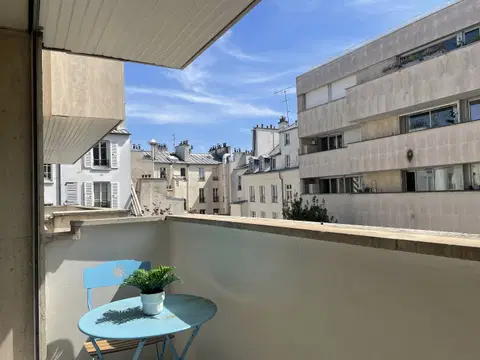
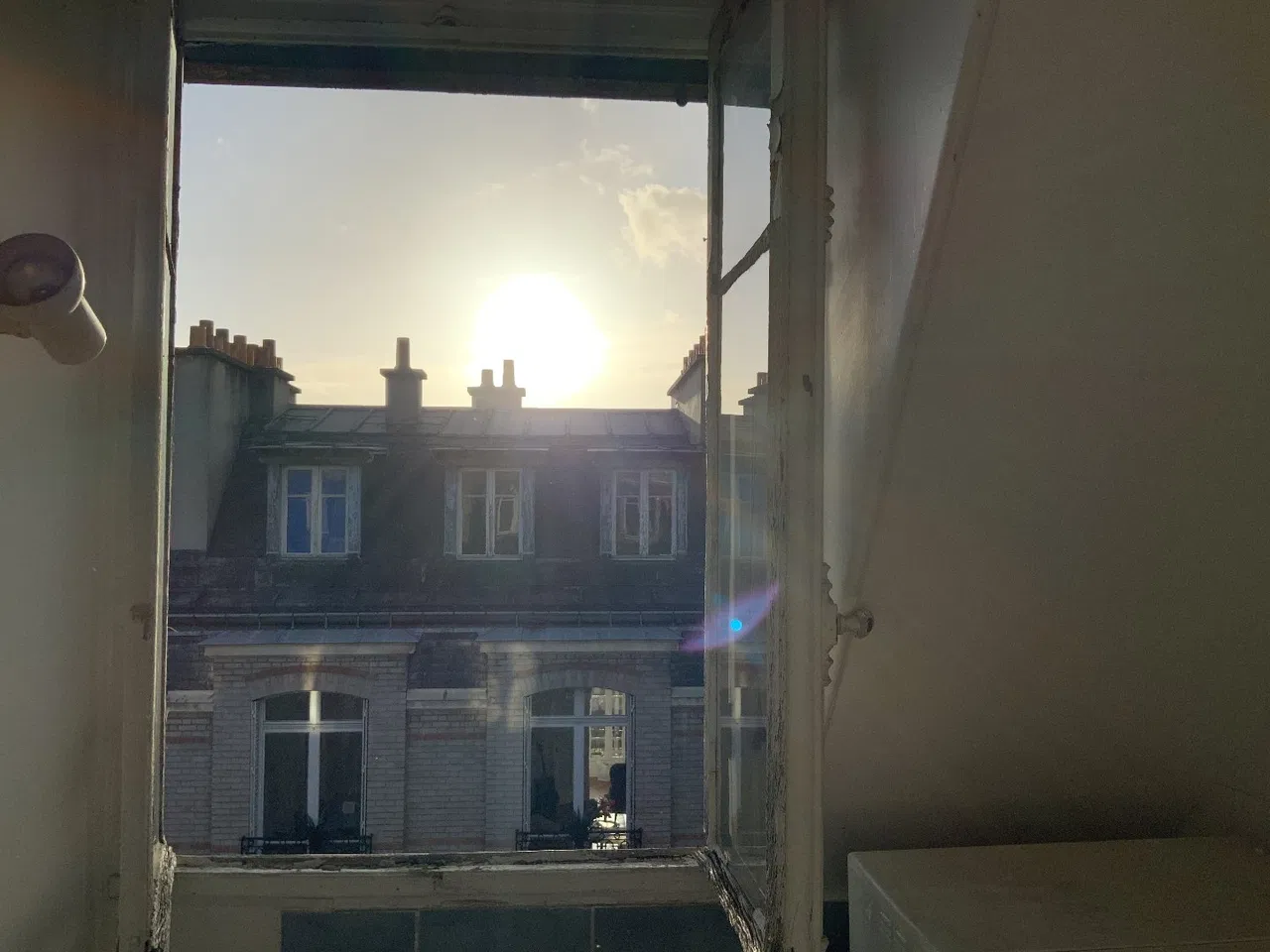
Parisian housing is a collection of different urban histories. A Haussmann-era apartment may have reception rooms aligned along the façade and bedrooms turned towards an interior court. An older faubourg building may conceal smaller courtyards or spaces associated with former workshops. In other districts, twentieth-century residences offer balconies and a different relationship between the rooms and the street. Even the view across the zinc roofs changes with the height and position of the apartment. Choosing among these settings is part of deciding which Paris you want to inhabit, alongside the practical questions of room sizes and intended use.
The building is also part of the experience. Its entrance, staircase, lift where present and shared spaces shape every arrival. During viewings, take time to move through the property at a normal pace rather than concentrating only on the most photogenic room. A compact balcony, a quiet bedroom or a well-placed kitchen may prove to be the feature you appreciate most over time.
Explore the Paris properties offered by Sextant and share the neighbourhoods, room arrangements and kinds of stay you have in mind. A focused selection of viewings can help bring the city’s variety down to a few addresses that feel personal, comfortable and worth returning to.
Properties for sale in Paris
Showing 8 of 12 available properties
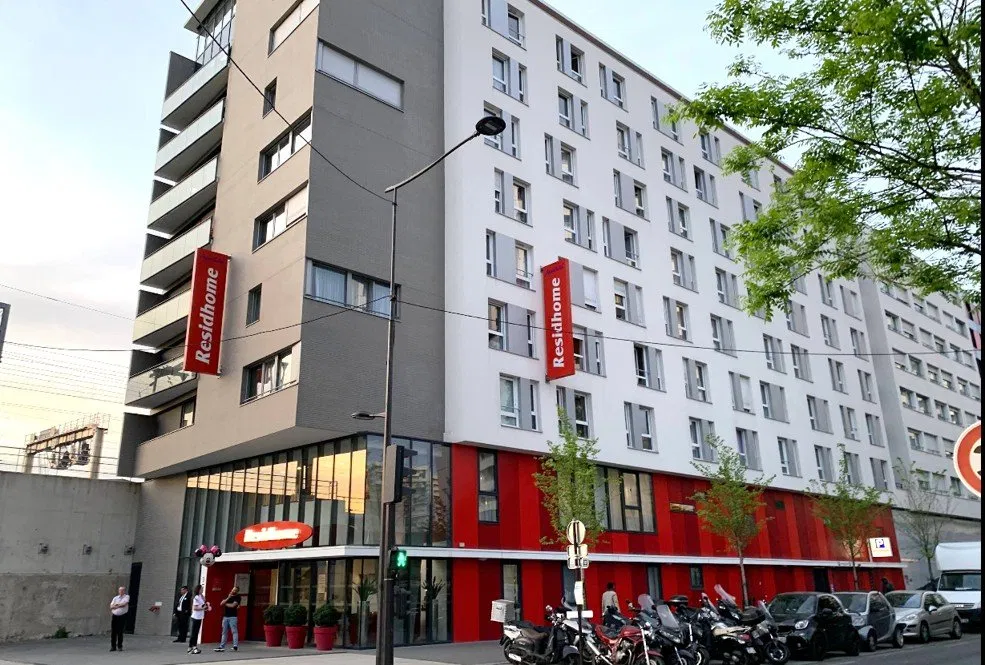
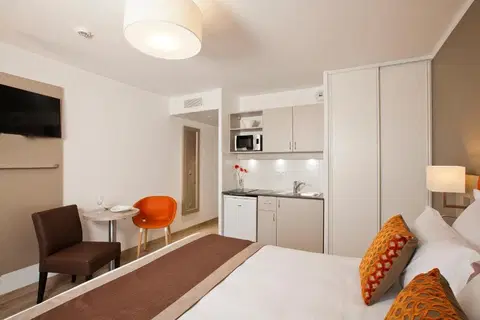
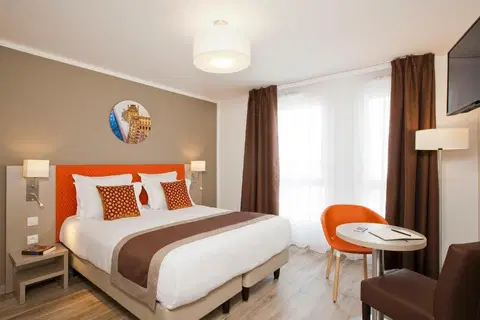
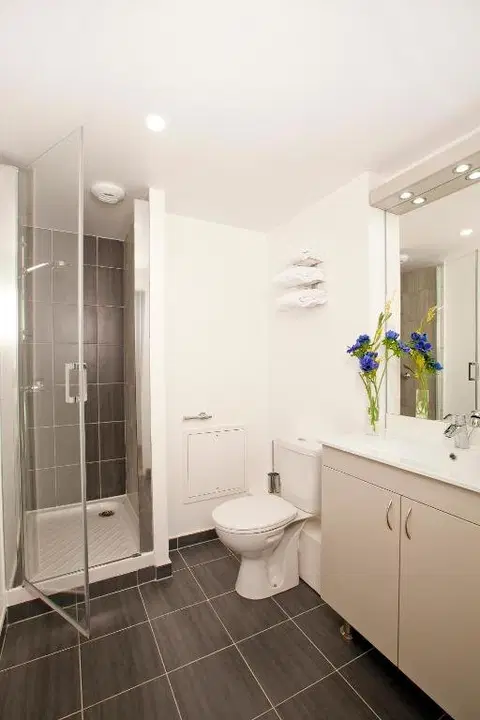
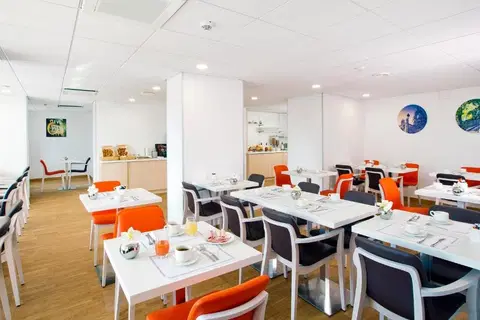
RENTAL INVESTMENT – Paris 19th arrondissement – Residhome Appart Hotel Paris Rosa Parks Tourist Residence - 5.55% return
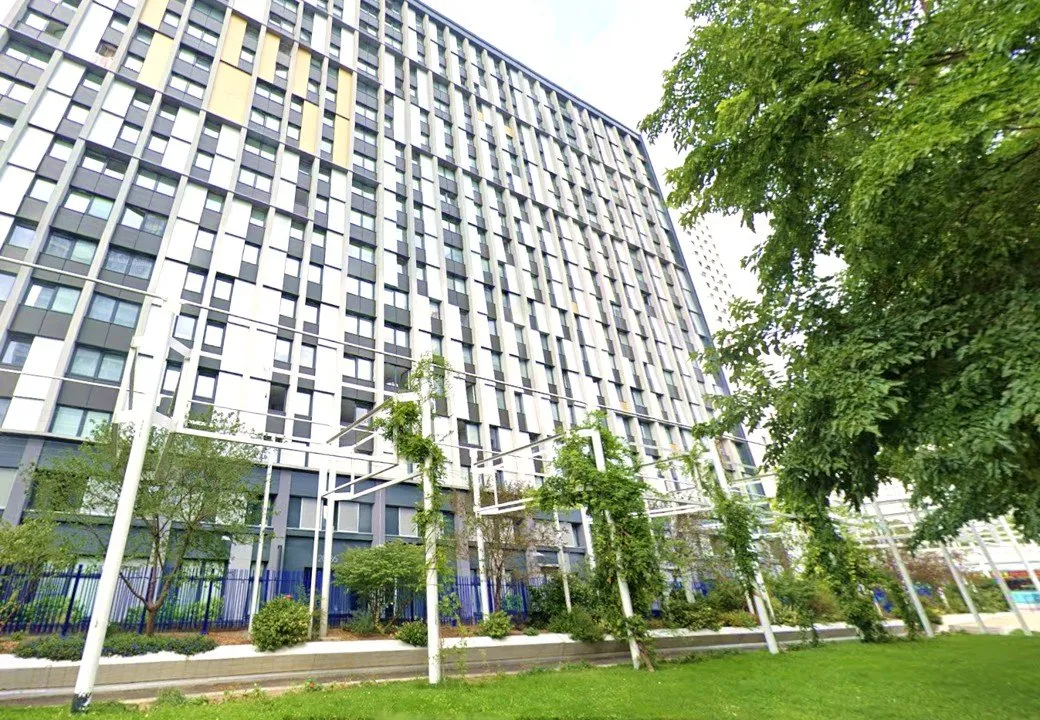
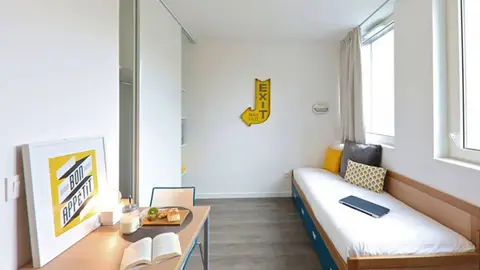
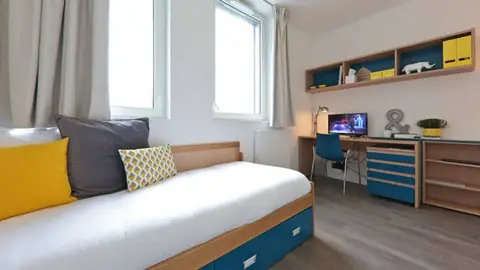
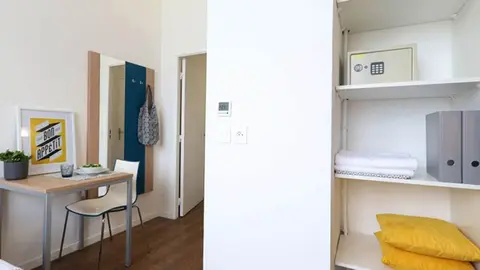
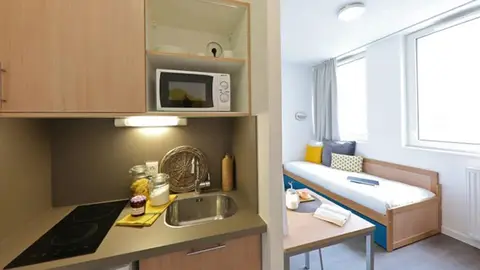
RENTAL INVESTMENT – Paris 13 – Le Palatino student residence – 5.52% return
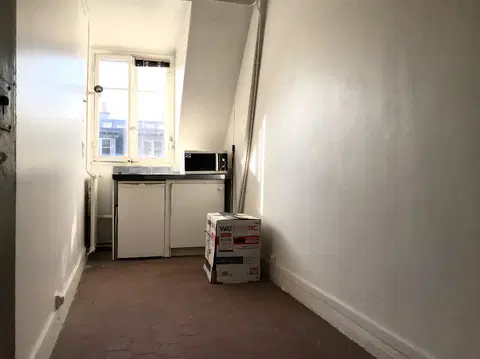
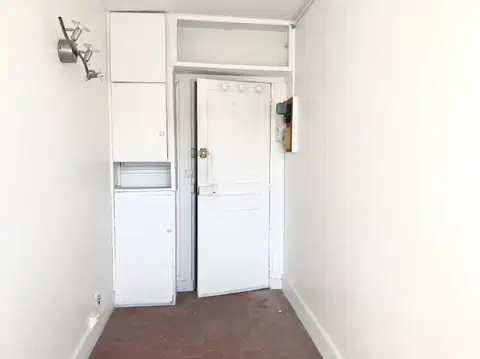
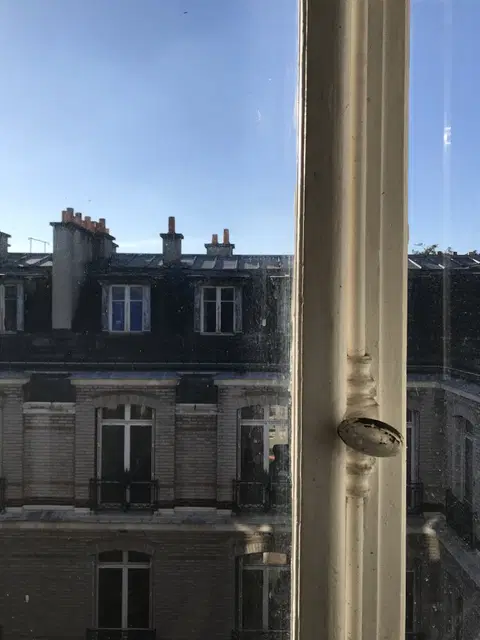
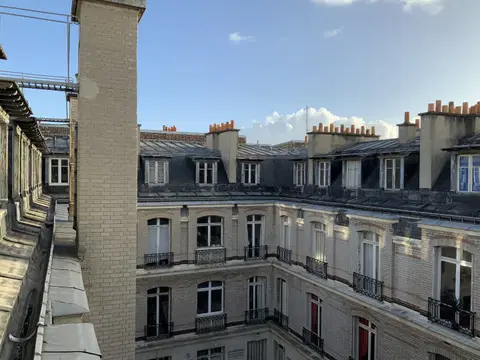
Rue Théodule Ribot
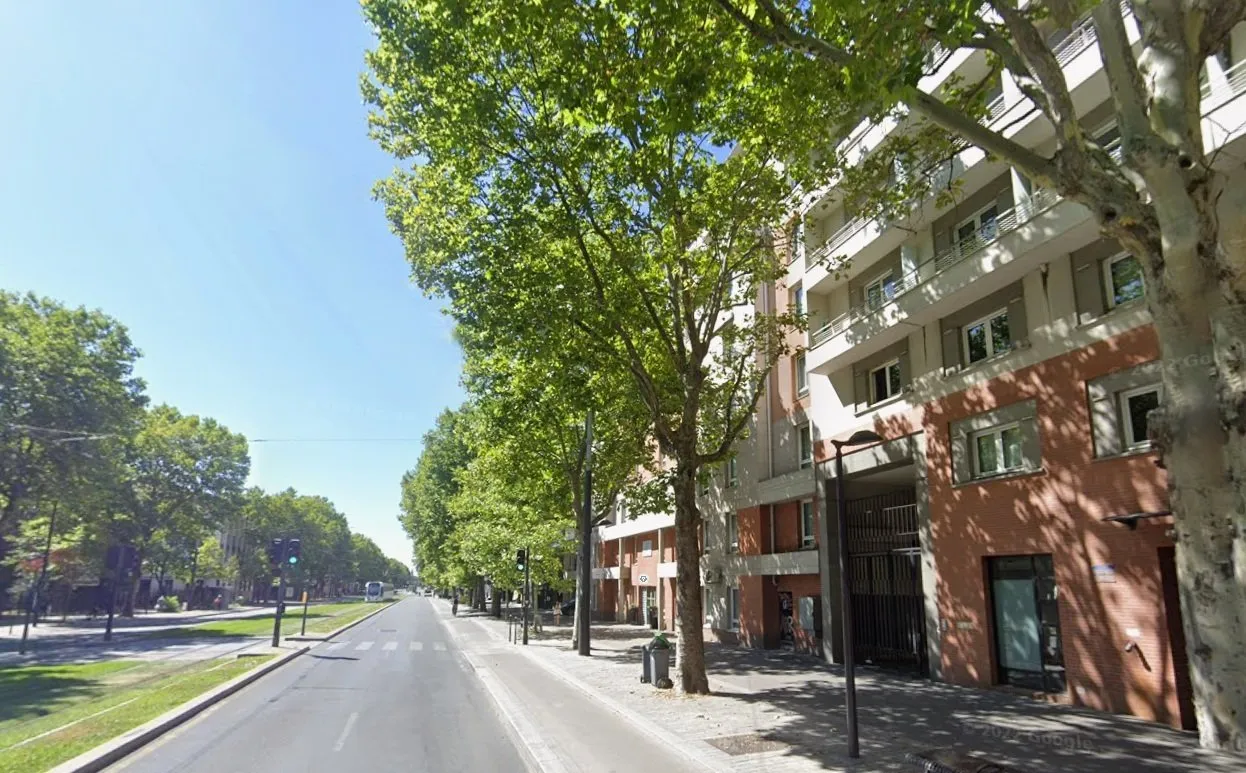
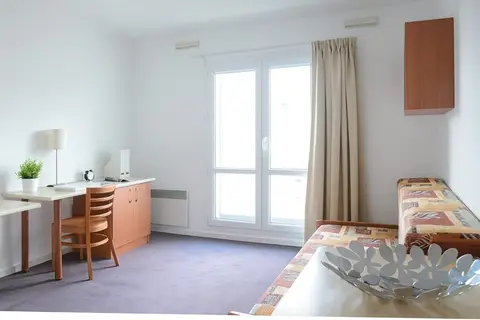
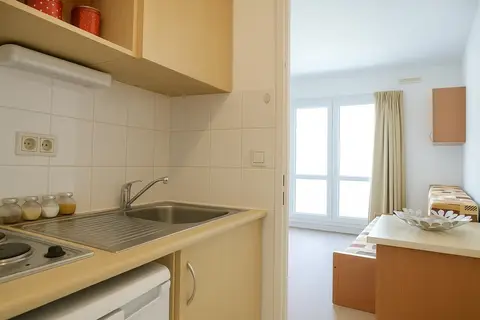
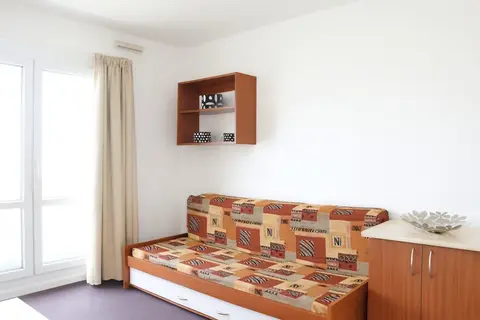
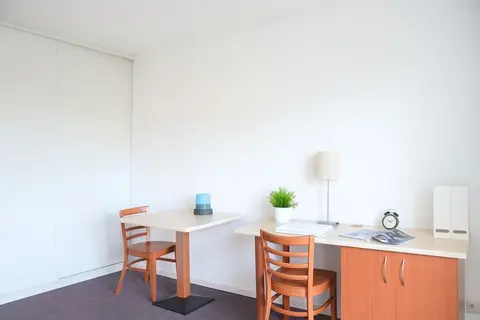
RENTAL INVESTMENT – Paris – Studelites Le Consul Student Residence – 4.30% profitability
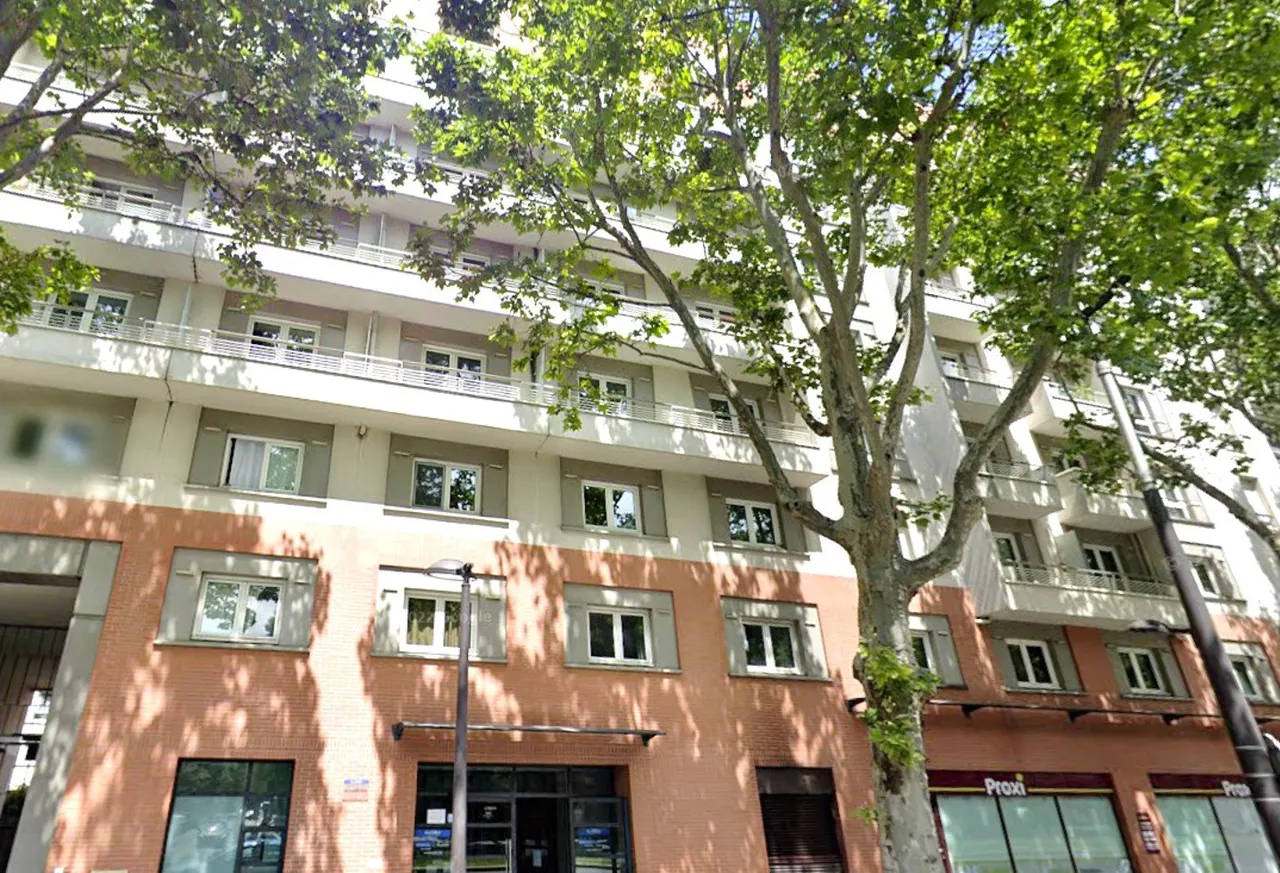
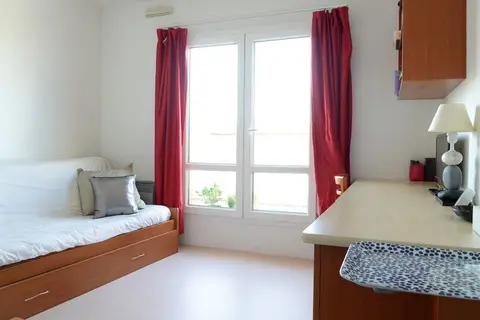
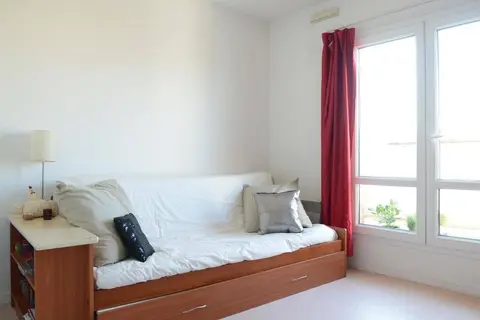
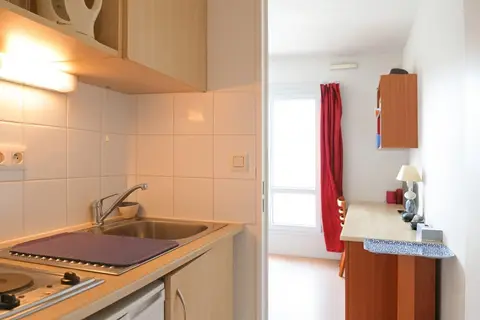
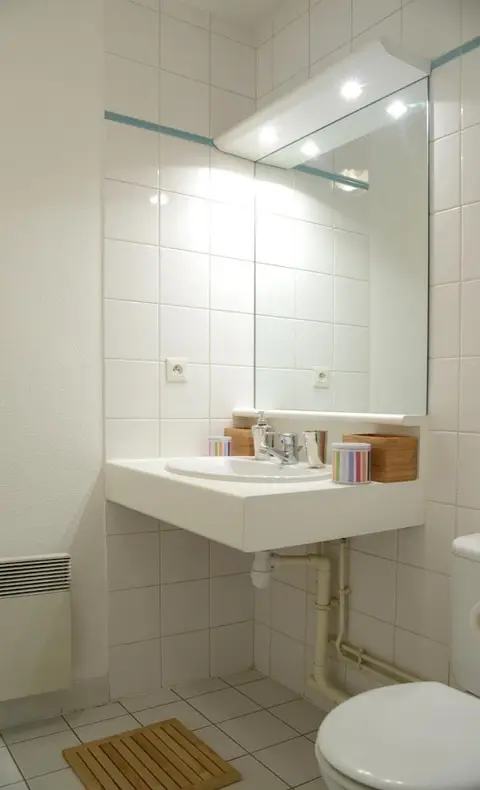
RENTAL INVESTMENT – Paris – Studelites Le Consul Student Residence – 4.29% profitability
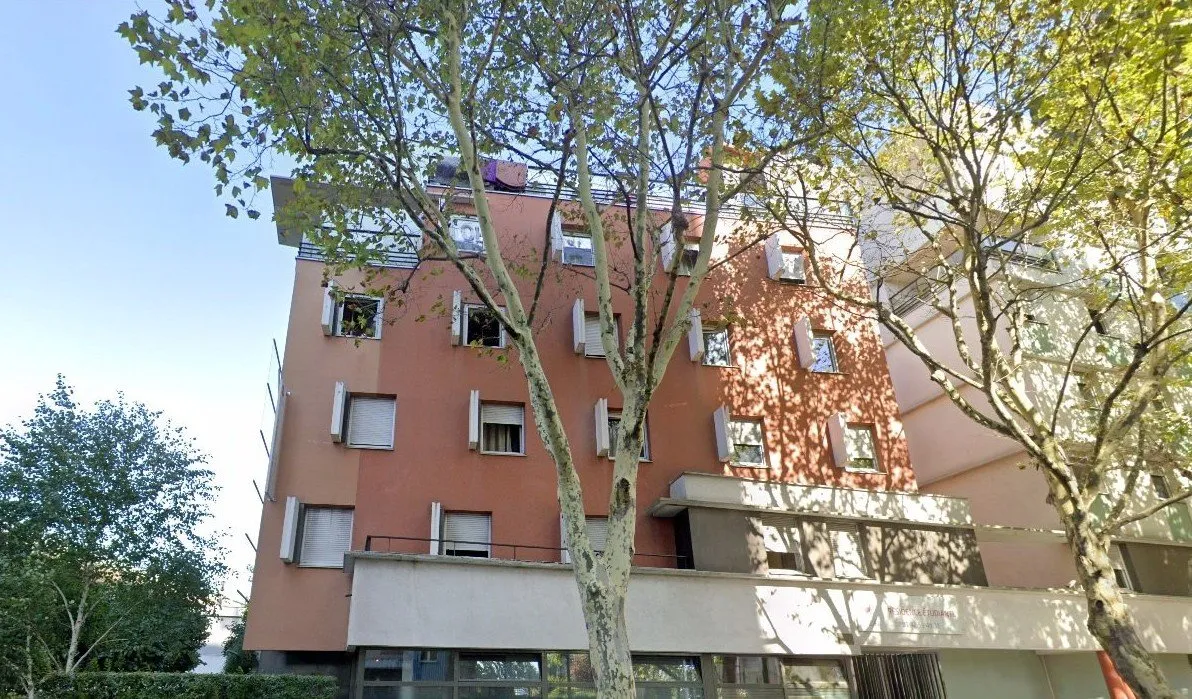
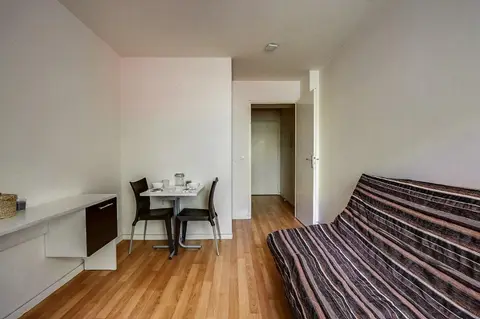
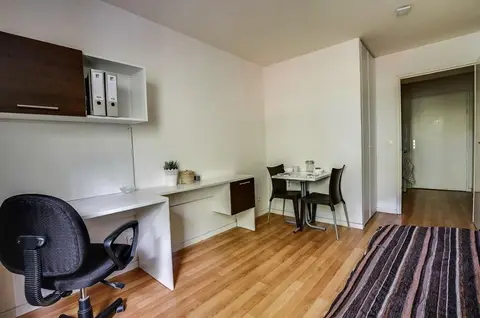
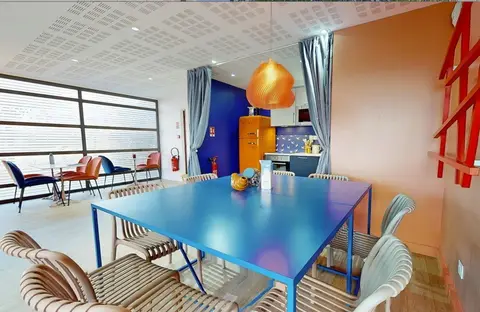
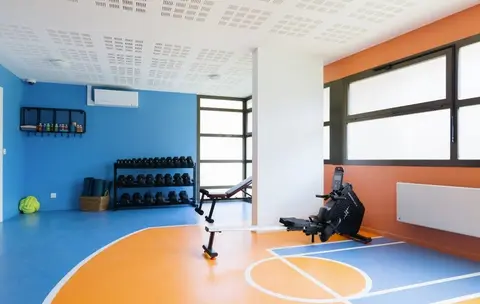
RENTAL INVESTMENT – PARIS 18TH ARRONDISSEMENT - Studea Jean Cocteau Residence - 5.75% return.
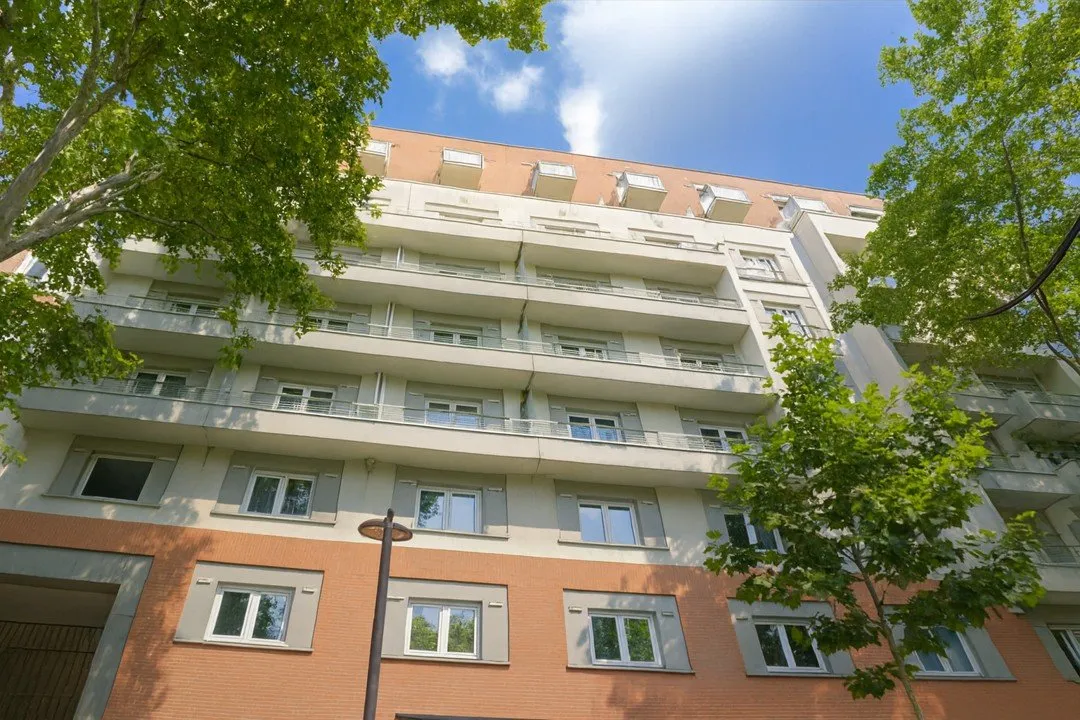
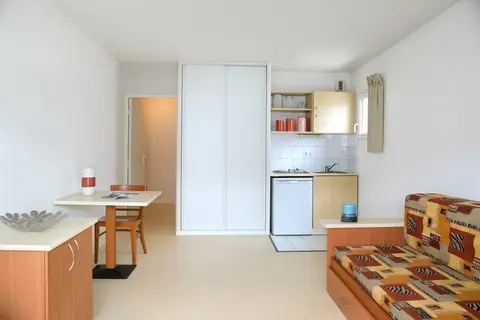
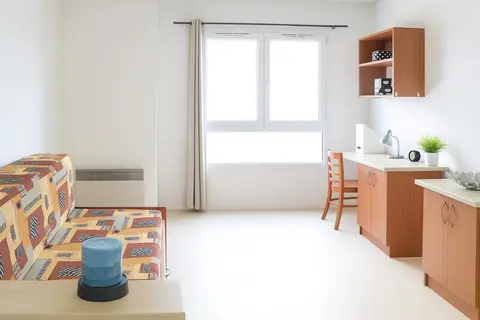
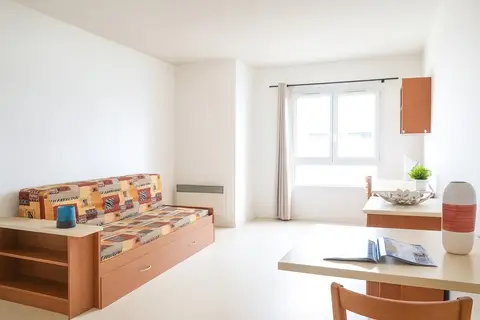
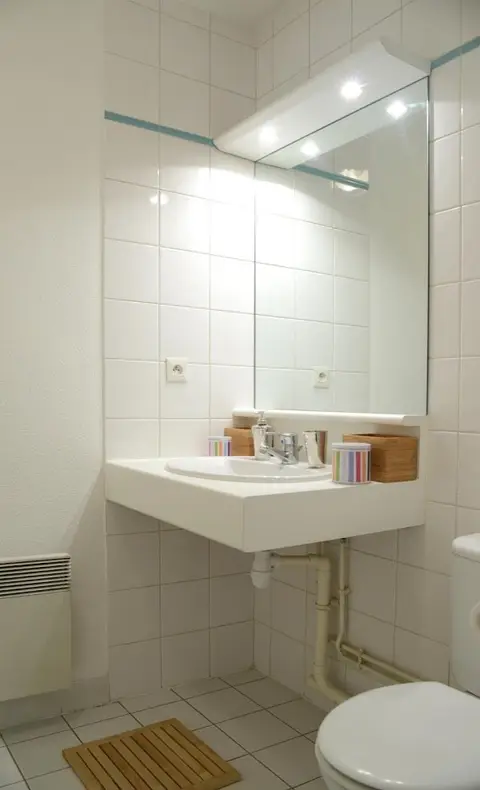
RENTAL INVESTMENT – Paris – Studelites Le Consul Student Residence – 4.72% profitability