Living and buying property in the Dordogne
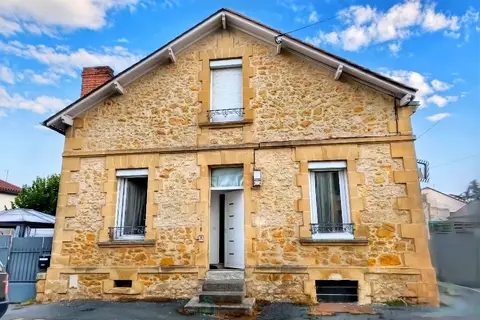
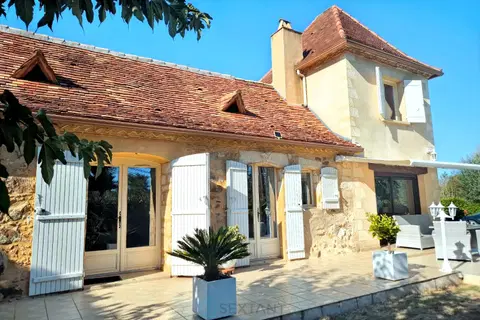
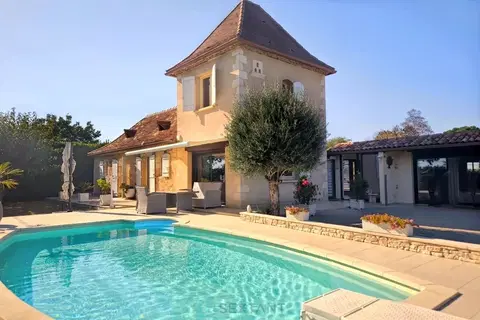
A stone house with a courtyard is a familiar image of the Dordogne, but the department offers a wider choice of homes and surroundings. Périgueux provides an urban centre, Bergerac connects town life with vineyards, and the valleys around Sarlat offer different kinds of village and country property. Further north, wooded landscapes and smaller towns introduce another atmosphere. For buyers planning a holiday home or a move to France, these distinctions are a useful foundation for the search.
You will often encounter the four names Périgord Vert, Blanc, Noir and Pourpre. They are helpful ways of describing broad areas and their character rather than boundaries that should dictate a purchase. The practical question is which town, village or landscape fits the way you want to live. Some buyers will value a market within walking distance, others a garden with space for family gatherings. Both can be found, but they may lead to quite different addresses.
Périgueux and the Périgord Blanc
Périgueux’s historic centre combines shopping streets, squares and a substantial architectural setting. An apartment can suit buyers who want to enjoy the town on foot, while a townhouse may provide more space and a small outside area. Residential neighbourhoods offer other forms of home. The Isle river and local walks add another dimension to the town, making it possible to think beyond the distinction between a purely urban property and a country house.
Surrounding communes widen the search towards family houses with gardens. For a permanent move, Périgueux can remain the centre for work or services while the home itself sits in a more open setting. Hills and valleys create different outlooks, from village streets to houses on higher ground. Consider how you would use the property on an ordinary day: where you would work, how the garden connects with the living rooms and which local places would become part of your routine.
Bergerac and the vineyard countryside
Bergerac has a close relationship with the Dordogne river, its older streets and the vineyards beyond the town. A central apartment or townhouse can place markets, shops and walks within everyday life. Homes in residential areas offer another balance, often with greater emphasis on a garden. This part of the department suits a search in which a recognisable town remains important even when the preferred property is somewhere more rural.
Around Monbazillac and neighbouring vineyard communities, houses sit within a more open agricultural landscape. Older properties may include courtyards, outbuildings and generous reception rooms. Their usefulness depends on your plans: hosting relatives, working from home or enjoying a manageable second home. You do not need to buy a substantial estate to enjoy the setting. A village house can provide an equally rewarding connection with the area, particularly if you like becoming familiar with a community over repeated visits.
Sarlat and the Dordogne valley
The Périgord Noir is associated with stone buildings, wooded hills and villages overlooking the valley. Sarlat is an important reference point, with a historic centre that gives apartments and houses a strong architectural context. Living within the town places streets and squares close at hand; properties in the surrounding area give more room to gardens and private outside space. The choice depends on whether you prefer spending time within the community or mainly around the house.
La Roque-Gageac, Beynac-et-Cazenac and Domme illustrate different relationships between settlement and landscape. Nearby, less familiar villages are also worth including in the search. A hamlet house with a terrace may suit regular holidays, while a larger rural home can accommodate more guests and activities. It helps to picture a day when you do not go sightseeing. The property should be somewhere you enjoy staying in, with rooms and surroundings that make an unplanned afternoon feel worthwhile.
The Vézère valley
Around Les Eyzies and Montignac-Lascaux, the Vézère valley combines cliffs, villages and prehistoric heritage. This gives the area a rich context for exploration, but the property decision can remain grounded in everyday preferences. A home in a town or village may provide shops and familiar walks, while a house further out offers more space for a garden. Both can be considered without treating proximity to a celebrated visitor site as the main measure of suitability.
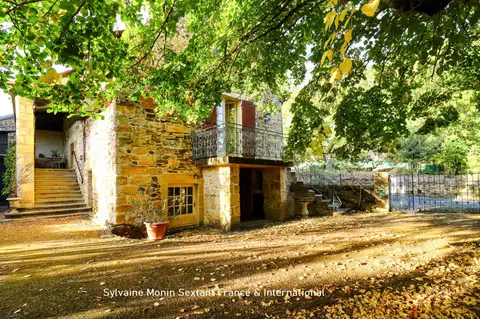
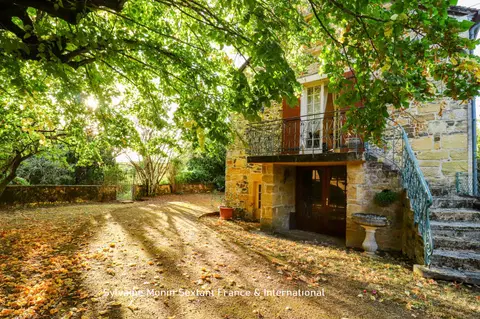
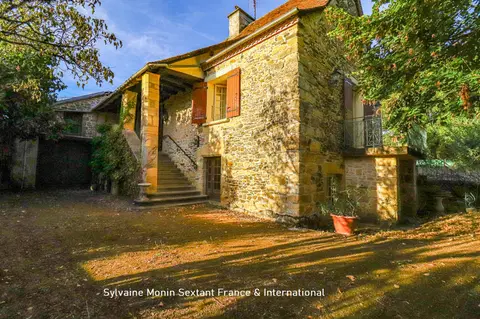
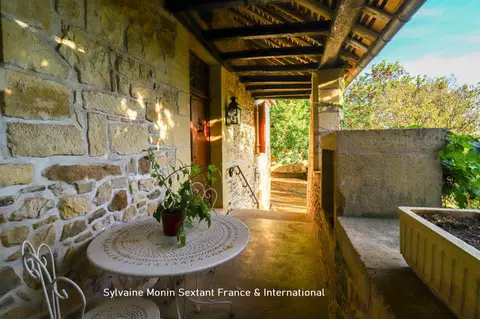
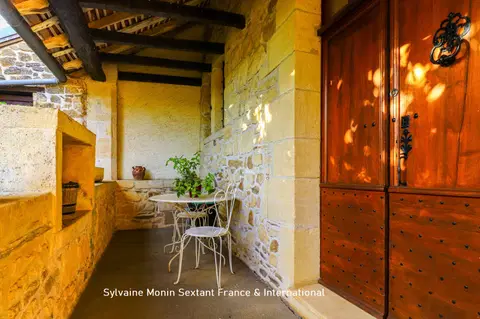
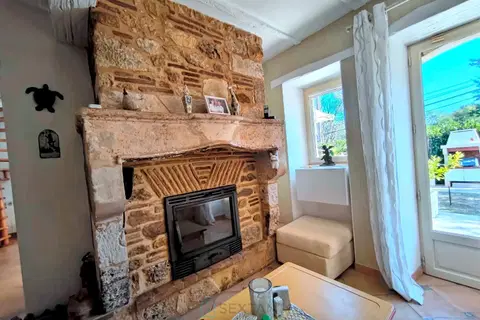
Older houses may have stone walls, enclosed courts and views towards the surrounding hills. The arrangement of kitchen, sitting room and terrace is particularly worth considering for longer stays. A layout that works well for family meals and quiet evenings can matter more than an extra room used only occasionally. The heritage of the valley then becomes part of the wider pleasure of ownership, alongside the ordinary details of living in a place you have chosen carefully.
Périgord Vert: woods, rivers and smaller towns
Brantôme-en-Périgord, Nontron and Thiviers provide different introductions to the north. Woodland, meadows and water are prominent features, and the property choice includes village houses, former farms and detached homes with gardens. Buyers looking for a more rural setting may find this area especially relevant. The towns should nevertheless be explored individually, as their streets, services and relationship with the countryside can influence which one feels right as a base.
Brantôme and Bourdeilles are closely associated with the Dronne valley and historic surroundings. Around Nontron, the Périgord-Limousin landscape introduces another direction. A property with an outbuilding may suit a workshop or creative activity, while a more compact house leaves additional time for walking and visiting the area. For a permanent move, choosing a nearby service town helps connect an interest in the countryside with the practical structure of daily life.
Bastide towns in the south
Monpazier, Beaumont-du-Périgord and Eymet illustrate the appeal of the southern bastides and smaller towns. Their squares and streets provide a setting for buyers who would like local life close to the front door. Houses may conceal a courtyard, garden or more extensive accommodation behind a relatively modest frontage. Viewing the interior is therefore important to understanding how the home could work for family stays or a full-time move.
The surrounding countryside offers more independent properties with land. These may appeal to purchasers who enjoy gardening or need space for guests, but a larger plot is not the only route to a satisfying home. Some buyers find that a village address gives a better balance between privacy and participation. Think about where you would spend the morning, how often friends might stay and whether you would prefer maintaining a garden or exploring the area. These questions help distinguish between equally attractive properties.
Bringing your Dordogne plans into focus
The department rewards a search that considers the setting as carefully as the house. An apartment can be a good base for enjoying a town and exploring nearby villages; a country property can provide a more private place for extended stays. Start with the amount of space you will use, the outside areas you enjoy and the towns you want within your wider routine. This keeps the search connected to your plans rather than to a fixed image of a French home.
A Sextant property consultant can discuss available properties in relation to your budget and preferred areas. Begin with places that already interest you, then include neighbouring communities. Often the search develops through those discoveries: a market you enjoy, a village street or a route through the countryside helps give one property a stronger connection with the life you hope to build in the Dordogne.
Properties for sale in Dordogne
Showing 8 of 230 available properties